Large companies handle payroll using automation, structured workflows, and often external providers. They do not rely on large teams doing manual calculations. Once employee data and approvals are ready, payroll runs through systems that process thousands of salaries in one cycle.
Do companies with thousands of employees outsource payroll?
Most large companies outsource payroll to providers like ADP because it reduces risk and saves time. These providers handle salary calculations, tax deductions, payslips, and payments at scale.
One insight from the discussion makes this clear. Companies often send payroll to firms that only specialize in payroll processing.
At the same time, outsourcing is not the only approach. Some companies still run payroll internally with very small teams. One company with over 10,000 employees managed payroll with just 8 people. Another company with around 3,000 employees had only 3 payroll staff.
This shows that payroll scale depends more on systems than team size.
For companies in the UAE, many now use platforms like Yomly that combine HR and payroll in one system. This helps teams avoid switching between tools and reduces manual work across payroll cycles.
Payroll starts with clean input data. Employees submit time, leave, or attendance. Managers approve it. HR systems store salary structures, allowances, and deductions.
Once this data is ready, payroll systems process everything together. They apply rules automatically and generate outputs like payslips and bank files. In many setups, this data flows to a payroll engine or provider that completes the calculations.
This structured flow is what allows companies to handle payroll for thousands of employees without delays.
How much of payroll is automated today?
Most payroll is automated, especially in large companies. Systems handle salary calculations, tax rules, deductions, and payslip generation without manual input.
In practice, once attendance and salary data are in place, payroll runs almost automatically. One insight from the discussion highlights this clearly. Payroll at scale depends heavily on automation rather than manual effort.
Modern payroll systems go beyond basic automation. They connect multiple parts of HR into one flow. For example, attendance, leave, and payroll data stay synced. This removes the need to manually transfer data between systems.
Platforms like Yomly automate complex tasks such as multi currency salary processing, allowance calculations, and WPS compliant file generation. This means HR teams do not need to calculate or adjust salaries manually each month.
Automation also improves accuracy. When systems handle calculations, the chances of errors drop significantly. The only time issues occur is when input data is incorrect, not the calculation itself.
Yes, but the teams are much smaller than expected. Their role has shifted from doing calculations to managing the process.
Examples from the discussion show this clearly:
A government agency had 30 to 40 payroll staff
A company with 3,000 employees had only 3 payroll workers
A 1,000 employee setup had one person handling part of payroll
This shows that strong systems reduce the need for large teams.
What role do payroll teams play today?
Payroll teams today focus on control, accuracy, and issue handling rather than processing salaries.
Their main responsibility is to ensure that everything going into the payroll system is correct. This includes checking employee data, validating salary structures, and confirming that attendance and leave inputs are accurate before payroll runs.
Once payroll is processed, teams review outputs. They check if employees are paid correctly, if deductions are applied properly, and if there are any unusual changes compared to previous cycles. If something looks wrong, they investigate and fix it before payments are released.
One professional in the discussion explained that their role was to ensure employees were paid correctly and that deductions worked as expected, while the actual calculations were handled by systems like ADP.
Payroll teams also handle exceptions. These include bonuses, corrections, missed entries, employee exits, and final settlements. These cases often cannot be fully automated and require manual review.
In many modern setups, especially with tools like Yomly, payroll teams also monitor system workflows. They ensure that approvals are completed on time, data flows correctly between modules, and reports are ready for finance and audits.
This shift means payroll teams now act more like controllers of the process rather than operators doing manual work.
Centralizing payroll across GCC countries can simplify operations, but it also increases your exposure to compliance risks.
Each country enforces strict rules for salary payments, contributions, and employee benefits. If your HRIS setup does not meet these requirements, errors can result in rejected payments, penalties, or incorrect payouts.
Before you centralize payroll, you need to identify where systems fail and how these risks impact your operations across multiple countries.
What are centralized and decentralized payroll?
Centralized payroll
Centralized payroll is a model where a single system or team manages payroll for all employees across multiple countries or locations. The organization processes salaries, deductions, compliance, and reporting from one central platform, often using a unified HRIS.
This approach helps standardize payroll operations and improve visibility. However, it requires strong configuration to handle local laws, currency differences, and statutory requirements across regions.
Example
A company operates in multiple countries but runs payroll from one central system. All employee data, such as salary, leave, and attendance, is sent to one team. This team processes payroll for all locations together and then creates country-specific payment files before releasing salaries.
A central finance team controls payroll approvals across all countries. Local HR teams upload only inputs such as new hires, exits, and variable pay. The central team reviews, approves, and processes all salaries from one place.
A company uses a single payroll calendar across all regions. All countries follow the same cut-off dates, approval timelines, and pay dates, even if local requirements differ.
Leadership tracks payroll on a single unified dashboard. The company can see total payroll cost, employee count, and salary trends across all countries without combining multiple reports.
Pros
Full control over payroll calculations, approvals, and payouts from one system
Faster month-end closing since all payroll data sits in one place
Easier to enforce company-wide policies like bonus structure or deductions
Reduced duplication of vendors, tools, and processes
Cons
Local compliance errors if country rules are not configured correctly
One mistake can delay payroll across multiple countries
The central team may not understand local requirements deeply
System or process failure affects the entire organization
Decentralized payroll
Decentralized payroll is a model where each country, region, or business unit manages its own payroll independently. Local teams or vendors handle salary processing, compliance, and reporting in accordance with country-specific rules.
This approach allows better alignment with local labor laws and practices. However, it can lead to fragmented systems, higher operational costs, and limited visibility across the organization.
Example
Each country office manages payroll independently using local systems. The local team collects employee data, processes salaries, and releases payments without relying on a central team
Payroll timelines differ by country. One office may process payroll early in the month, while another follows a different cycle based on local practices and deadlines
Local HR teams handle compliance tasks such as statutory deductions, reporting, and filings based on country-specific rules without central oversight
The head office receives separate payroll reports from each country. Finance teams must combine these reports manually to get a full view of payroll across the organization
Pros
Payroll follows local laws and practices without forced standardization
Local teams understand regulations and reduce compliance risk
Faster issue resolution at the country level
Flexibility to choose tools and processes that fit each country
Cons
No unified control over payroll processes
Hard to track total payroll cost across countries in real time
Inconsistent policies across regions
Extra effort is required to combine reports for finance and leadership
Here are the 5 Payroll Compliance Risks When Centralizing GCC Operations Under One HRIS:
Risk 1: Country-Specific Labor Law Gaps
Each GCC country follows its own labor laws for contracts, working hours, leave, and payroll. A centralized HRIS often applies one standard rule across all regions. This creates compliance issues.
For example, end-of-service gratuity is calculated differently in each country. In the UAE, employees receive 21 or 30 days of basic salary per year, depending on years of service. In Saudi Arabia, employees get half a month or one full month’s salary per year, and resignation can reduce the payout. In Qatar, employees must receive at least three weeks of basic salary per year after one year of service. Using one formula across all countries leads to errors.
How to mitigate
Create separate payroll rule sets for each country so the system applies the correct labor laws rather than a single global policy.
Configure country-level logic for gratuity, salary structure, and eligibility rules to match local legal requirements
Assign employees to the correct legal entity and country policy to avoid applying the wrong calculations.
Set validation checks in the HRIS to flag errors when incorrect rules or formulas are used.
Review and update payroll rules regularly, with support from HR or legal experts, to stay compliant with changes in the law.
Use a platform like Yomly that supports multi-country payroll and localized compliance to reduce manual errors and improve accuracy.
Social security and pension contributions differ across GCC countries. Each country defines its own contribution rates, eligibility rules, and salary limits. A centralized HRIS often uses a standard setup, leading to incorrect deductions.
For example, in the UAE, pension contributions apply only to nationals and follow a fixed split of 26% of salary, with defined thresholds and employer and employee shares. Other GCC countries follow different rules for eligibility and calculation.
If the system applies the wrong logic, it can result in underpayment or overpayment, leading to compliance issues, payroll errors, and financial penalties.
How to mitigate
Configure country-specific contribution rules so each location follows its own statutory requirements
Define employee categories, such as nationals and expatriates, to apply correct eligibility logic.
Set contribution rates, salary thresholds, and employer-employee splits based on local laws
Automate calculations inside the HRIS to ensure accurate deductions every payroll cycle
Validate contribution outputs during payroll review to catch errors before submission.
Risk 3: WPS and Salary Transfer Errors
GCC countries require companies to process salaries through regulated wage systems. These systems follow strict rules for file format, payment method, timelines, and employee data.
For example, in the UAE, salaries must be paid through the Wage Protection System (WPS), which uses approved banks and electronic salary files. Employers must pay on time, submit proof of payment, and follow system rules that can vary by employee category.
If payroll data is incorrect, delayed, or mismatched, the system can reject the file. This can block salary payments and trigger penalties, operational restrictions, or legal action.
How to mitigate
Configure country-specific WPS formats and bank file structures inside your HRIS to match local system requirements
Validate employee data, including IDs, bank details, and salary components, before generating payroll files.
Set automated checks to detect errors in file format, missing fields, or incorrect calculations.
Align payroll schedules with country-specific deadlines to avoid delays and non-compliance
Run test files and reconciliation checks before final submission to ensure acceptance by the system.
Use a platform like Yomly that supports WPS file generation, automated validation, and multi-country payroll compliance.
Risk 4: Employee Misclassification
Payroll, benefits, and legal obligations depend on how employees are classified. Categories such as nationals vs expatriates, full-time vs contract, or mainland vs free zone directly affect contributions, leave, and end-of-service benefits.
A centralized HRIS can assign the wrong category or apply a default structure. When this happens, the system calculates salaries, deductions, and benefits incorrectly. These errors often go unnoticed until audits or employee exits.
It leads to compliance issues, financial corrections, and disputes with employees or authorities.
How to mitigate
Define clear employee categories and link them to payroll, benefits, and compliance rules.
Capture correct classification data during onboarding instead of updating it later.
Connect employee type with automated payroll logic so calculations adjust correctly.
Set system checks to flag missing or incorrect classification before payroll runs.
Review employee records regularly to catch misclassification early
Use a platform that supports structured employee data and rule-based payroll processing
Risk 5: Multi-Currency and Exchange Rate Errors
GCC companies often run payroll across multiple countries, currencies, and bank systems. A centralized HRIS may store salaries in one currency but process payments in another. Exchange rates, currency conversions, and rounding rules can create mismatches in final payouts.
For example, incorrect conversion rates or timing differences can lead to employees receiving less or more than expected. These errors directly affect payslips, accounting records, and bank transfers. This creates reconciliation issues, employee complaints, and financial discrepancies across entities.
How to mitigate
Store salary data in local currency while maintaining reporting in a base currency
Use real-time or standardized exchange rates for payroll processing
Define clear rules for currency conversion and rounding inside the HRIS
Reconcile payroll outputs with bank transfers and accounting records
Separate payroll processing by country to avoid cross-currency errors
Use a platform that supports multi-currency payroll and accurate financial reporting across regions
How Yomly Solves GCC Payroll Compliance Challenges
Yomly helps companies handle GCC payroll complexity without relying on manual fixes or fragmented systems. It applies country-specific rules for contributions, WPS, gratuity, and employee classification directly within the platform. Automated calculations, built-in validations, and compliant payroll outputs reduce errors before they impact payouts.
Check out our enterprise payroll software key features here →Teams can manage multi-country payroll from one system while still meeting local requirements. This improves accuracy, speeds up payroll cycles, and reduces compliance risk at scale. If you want to simplify payroll operations across the GCC, you can explore Yomly or book a demo to see how it works in practice.
If you are managing HR and payroll across a growing team, you may already face issues like scattered employee data, payroll errors, and rising compliance pressure. These problems increase as your workforce scales and processes become harder to control.
This is where having a structured HR and payroll system becomes critical. In regions like Saudi Arabia, businesses must also meet strict workforce and compliance requirements, which makes manual systems even more risky .
In this guide, you will learn how to set up your HR and payroll management system using Yomly. You will understand how to centralize data, automate payroll, and build a compliant system that supports long term growth.
Note: This article is updated for 2026 and is based on the ZATCA Guideline for Regional Headquarters in KSA and MISA’s licensing framework, providing an accurate, HR-focused breakdown of current requirements.
What Is the Regional Headquarters (RHQ) License?
The RHQ license is issued by the Ministry of Investment of Saudi Arabia (MISA). It authorizes a multinational company to legally establish and operate a regional headquarters in the Kingdom, specifically for the purpose of managing, supporting, and providing strategic direction to its branches, subsidiaries, and related companies across the Middle East and North Africa region.
Key structural facts:
The RHQ is registered under KSA law either as a limited liability company or as a foreign branch
It must be legally independent from any other entities the company already operates in KSA
The RHQ cannot generate commercial revenue or sell products on behalf of the group
All commercial operations must be handled by separately licensed affiliated entities
The RHQ exists purely to manage, direct, and support
The program became mandatory from January 1, 2024, when Ministry of Finance controls came into force restricting Saudi government agencies from contracting with foreign companies that do not have a licensed RHQ in KSA.
What Are the Benefits of the RHQ License?
Regional headquarters that meet MISA’s qualification criteria and satisfy ZATCA’s Economic Substance Requirements (ESR) are entitled to a package of incentives for a renewable 30 year period, calculated from the date the RHQ license is issued. These incentives are granted under Royal Decree No. (M/62) dated 12/11/2023 AD.
Zero Percent Corporate Income Tax on Eligible Activities
Income the RHQ generates from its licensed mandatory and optional activities is taxed at zero percent for the full 30 year period. This exemption applies only to income from eligible activities. If the RHQ steps outside its licensed scope and engages in commercial activities, that income is taxed under standard KSA income tax rules with no exemption applied.
Zero Percent Withholding Tax on Qualifying Payments to Non-Residents
Payments made by the RHQ to non-resident entities in connection with its licensed activities are subject to withholding tax at zero percent for the same 30 year period. Qualifying payments include:
Dividends
Payments to related persons
Payments to unrelated persons for services necessary for the RHQ’s operations
The exemption does not apply to payments linked to ineligible activities or arrangements that involve tax avoidance.
10 Year Saudization (Nitaqat) Exemption
This is one of the most practically significant benefits from an HR perspective.
During this period, the RHQ can hire international talent without being subject to Saudi national employment ratios
The RHQ can issue an unlimited number of work visas to foreign employees
Once the 10 year window closes, standard Nitaqat rules apply in full
???? HR note: Start building your Saudi talent pipeline well before the exemption period ends. Waiting until year nine creates a compliance gap that is very difficult to close quickly.
What Are the 3 Mandatory HR Compliance Requirements for Your Saudi Arabia RHQ?
These three requirements come directly from MISA’s licensing conditions and ZATCA’s Regional Headquarters Tax Rules. They are conditions that must be met to hold the license and qualify for the tax incentives.
Requirement 1: Commence Mandatory RHQ Activities Within 6 Months of License Issuance
The RHQ must begin carrying out its mandatory licensed activities within six months of receiving the license from MISA. This is a compliance threshold with direct consequences for your tax incentive status, not a soft guideline.
Mandatory Activities: Two Categories
Strategic Direction Activities
Developing and monitoring the regional strategy
Coordinating strategic compatibility across the group
Supporting acquisitions, mergers, and divestments
Reviewing financial performance across the territory
Deciding on the introduction of products or services in the region
Management Function Activities
Developing business plans and budgets
Business coordination across the group
Identifying new market opportunities
Monitoring the regional market and competitors
Developing a marketing plan for the territory
Providing operational and financial reports to the group
Both categories must be performed for the actual benefit of the RHQ’s affiliated entities across the MENA region. ZATCA is explicit that these activities must be genuinely directed and managed from within KSA, with board meetings held physically in the Kingdom and decisions recorded in board minutes kept on Saudi soil.
Optional Activities: Pick at Least 3 Within Year One
Beyond mandatory activities, the RHQ must select and commence at least three optional activities within one year of the license date. The full list includes:
Managing human resources and employees
Supporting sales and marketing
Providing training services
Financial management and treasury services
Compliance monitoring and internal controls
Accounting and legal services
Audit services
Research and analysis
Consulting services
Logistics and supply chain management
Technical support and IT operations
Research and development
Intellectual property management
Production management
HR implication: The activity categories your RHQ selects directly shape your workforce structure. Employees must be assigned to specific licensed activities and their qualifications must match the work they perform. ZATCA assesses economic substance partly through whether your people are actually qualified to carry out what the RHQ claims to be doing.
Requirement 2: Employ a Qualified Workforce Including a Minimum of 3 Senior Executives
The RHQ must employ an adequate number of full time employees during each tax year, in proportion to the level of activity it carries out.
The Fixed Minimum: 3 Senior Level Employees
Regardless of size or scale, the RHQ must have at least three employees at the level of Executive Director or Vice President. These three senior employees are expected to make key decisions for the regional headquarters. Although the RHQ may initially have only one director at the point of licensing, the three senior employee threshold must be met as part of the qualification standards.
How ZATCA Counts Employees
Understanding how ZATCA measures headcount is important for HR planning:
Part time employees count in proportion to time spent on eligible activities relative to a full time employee of the same grade
Individual contractors who work entirely or almost entirely for the RHQ are treated as employees for ESR purposes
An employee resident in KSA is treated as physically present throughout their working period, even if they occasionally perform duties outside the country
An employee who is not resident in KSA cannot be treated as physically present in KSA at any time, regardless of how often they travel there
Qualification Standards ZATCA Looks At
Hiring the right number of people is not enough. The people you hire must be qualified for the roles they fill. ZATCA assesses this through:
Level of relevant experience for the role and its seniority
Educational background and professional credentials
Functional expertise directly related to the licensed activities
Board members must collectively hold the knowledge and experience necessary to perform their duties
The majority of employees must have relevant experience to carry out the RHQ’s licensed activities
HR implication: Document the connection between each employee’s qualifications and the licensed activity they are assigned to. ZATCA can examine employment records, contracts, CVs, and role descriptions during an audit. A headcount that looks right on paper but cannot be evidenced will not hold up under scrutiny.
Requirement 3: Maintain Physical Presence, Operational Expenditure, and KSA Based Management Control
This requirement covers three interconnected obligations that ZATCA groups under its Economic Substance Requirements (ESR).
Physical Office Presence
The RHQ must have a physical office in KSA, either owned or leased
Office space must be proportional to the activities the RHQ carries out
A virtual office or shared address arrangement does not satisfy this requirement
Operational Expenditure in KSA
The RHQ must incur operational expenditures in KSA that are commensurate with its activities. ZATCA recognizes the following as relevant operating expenses:
Salaries and employee benefits
Rental fees where applicable
Marketing expenses
Equipment costs
Other expenses directly related to the RHQ’s licensed activities
All operating expenses must be supported by documentation, and the level of spending must be proportional to the activities being carried out.
KSA Based Management Control
This is where many RHQ setups run into ESR problems. Management control must be exercised from within KSA in a demonstrable way:
Board meetings where actual strategic decisions are made must be held physically in KSA
Virtual or overseas board decisions do not satisfy this requirement
Board minutes must include all supporting documents and record the actual decisions taken
All minutes and records must be kept in KSA in original or signed copies
Where records are kept electronically, they must be accessible for viewing in KSA
The RHQ must have at least one director who is a statutory resident in KSA
Residency must be genuine, not a technical tax residency position
The RHQ must also generate revenues from its eligible activities in KSA. In practice this means management fees, cost recoveries, or inter-company service charges received from affiliated entities in exchange for the licensed services the RHQ provides.
HR implication: Your senior leadership must be physically based in KSA and genuinely managing from there. Executives nominally assigned to the RHQ but actually based elsewhere will not satisfy this requirement and will put your ESR compliance and tax incentives at direct risk.
Set Up Your HR and Payroll Management System Using Yomly
Setting up your HR and payroll system with Yomly becomes simple when you use a structured approach. With enterprise HR software and Payroll management software for enterprises with 250+ employees, you can manage employee data, automate payroll, and stay compliant across regions from one platform. Yomly centralizes the entire employee lifecycle and automates salary calculations, reducing manual work and errors.
Key steps to follow:
Set up company structure with departments, roles, and approval workflows
Add employee data, contracts, and documents into one system
Configure HR policies like leave, attendance, and onboarding
Define payroll structure with salary components, pay cycles, and deductions
Enable compliance features like WPS and multi country payroll rules
Automate payroll with real time calculations and payslip generation
Activate employee self service for leave, payslips, and requests
Integrate with finance and ERP systems for smooth data flow
With this setup, Yomly helps enterprises manage large teams, ensure payroll accuracy, and scale operations without complexity.
Setting up HR and payroll for a growing workforce needs more than basic tools. You need a system that keeps your data organized, payroll accurate, and compliance in check as your team scales. A structured setup helps you avoid errors, reduce manual work, and improve how your HR team operates every day.
If you are managing a large or distributed workforce, using an HR platform like Yomly can make this process easier. It brings HR, payroll, and compliance into one place, so your team can focus more on people and less on repetitive tasks.
Educational institutions in Vietnam manage diverse staff structures across schools, colleges, and universities, often spread across multiple campuses. Teachers, visiting faculty, and admin teams follow different contracts, schedules, and compliance requirements. It makes HR management more complex than in most industries.
The right HR software can help institutions organize staff records, track attendance, manage contracts, and coordinate workflows across departments more efficiently.
In this listicle, we cover the top 7 HR software for educational institutes in Vietnam, focusing on tools that support multi-campus operations, diverse staff roles, and structured workforce management.
Here are the best HR software for educational institutes in Vietnam at a glance
Yomly – Best for large education groups in Vietnam managing multi-campus teams, complex staff structures, and localized HR compliance
MISA AMIS – Best for institutions that want to unify HR, operations, and academic workflows in one system
Tanca – Best for schools struggling with complex teaching schedules, shift swaps, and real-time coordination
Zoho People – Best for institutes that need flexible HR workflows aligned with academic roles and internal processes
SAP SuccessFactors – Best for universities that need deep workforce planning, budgeting control, and AI-driven insights
ADP – Best for institutions that prioritize compliance, structured hiring, and data-driven workforce decisions
Base HRM – Best for schools focused on digitizing internal workflows, approvals, and cross-department coordination
1. Yomly
Yomly is a leading HR software for educational institutes in Vietnam. The platform is suitable for institutions managing large teaching and administrative teams, or 250+ employees across multiple campuses. Yomly was founded in 2018 (originally EmiratesHR) by Mark JP Nutter, and it focuses on simplifying complex workforce operations through automation, compliance, and self-service tools.
Yomly helps schools, colleges, and universities manage complex workforce needs in one system. If you work with K-12 schools, we can help you manage teacher attendance, contracts, and benefits across locations. Additionally, we help colleges and universities to manage diverse academic schedules, departments, and payroll cycles with better control.
Education groups like Nord Anglia Education adopted Yomly to run multi-country payroll from a single system, while Sharjah English School reduced audit preparation time significantly through automated payroll reporting. Today, we support 250+ clients and 100,000+ daily users across 50+ countries. Yomly’s ability to handle multi-campus operations, local compliance, and complex payroll makes it a strong fit for modern education providers.
Here’s what the HR manager of Sharjah internal school has to say about our software:
Key Features
Centralized staff management: Keep teacher and staff records, contracts, and roles organized in one system. Manage academic and non-academic teams without scattered data.
Multi-campus workforce structure: Define departments, roles, and reporting lines across schools, colleges, or universities. Maintain clarity even as institutions expand.
Attendance and leave tracking for academic staff: Track teaching schedules, working days, and leave for full-time, part-time, and visiting faculty with real-time updates.
Performance and development tracking: Review teacher performance, set goals, and support career growth with structured evaluation systems.
Employee self-service portal: Enable staff to access profiles, submit requests, and stay updated without relying on HR teams.
HR workflow automation: Automate approvals, document handling, and internal processes to reduce manual workload and delays.
Pricing: Flexible enterprise pricing based on the number of employees, modules selected, and multi-location requirements.
MISA AMIS, built by MISA Joint Stock Company in 1994, supports over 170,000 organizations across Vietnam, including schools and training centers. It helps educational institutions in Vietnam fix one major issue: disconnected systems across departments. Many schools still manage HR, finance, and operations separately, which leads to data gaps, manual errors, and poor coordination. MISA AMIS solves this by consolidating all functions into a single unified platform.
The system integrates HR with attendance, payroll, and performance tracking, enabling institutions to manage teacher records, working hours, and salary costs in a structured way. It also links HR data to finance and operations, helping track staffing costs by class, course, or department. Real-time reports give leaders a clear view of workforce performance and resource use.
Key Features
End-to-end staff lifecycle management: Handle recruitment, onboarding, records, attendance, and performance in one connected system for teaching and admin staff.
Process and task coordination: Assign tasks, track progress, and manage internal workflows across HR, operations, and academic teams in real time.
Integrated student and staff data flow: Link staff management with class, course, and student data to improve coordination between HR and academic operations.
Attendance and workforce visibility: Track working hours, leave, and schedules with clear visibility across departments and campuses.
Performance and evaluation tracking: Measure staff performance with transparent metrics and structured evaluations.
Digital workflow and document management: Automate approvals, store HR documents, and standardize internal processes to reduce manual work.
Pricing: Offers flexible options, including free trials and custom plans tailored to institution size and needs.
3. Tanca
Tanca focuses on one of the biggest HR challenges in education: managing complex teacher schedules across classes, campuses, and shifts. The platform started in 2015 and now serves over 57,000 workplaces and 270,000+ employees. It helps schools handle dense timetables without confusion. You can assign shifts, allow teachers to pick open classes, and manage last-minute changes with instant notifications using Tanca.
The platform also tracks teachers’ activity across locations via GPS, helping schools monitor attendance and movement between campuses. Its built-in communication tools keep teachers and staff aligned on schedules, rules, and daily updates. One school reported saving 40 to 50 hours per week in admin time after using Tanca for shift management.
Tanca stands out for schools facing frequent schedule changes, distributed teams, and real-time coordination needs.
Key Features
Advanced teacher scheduling: Create and manage complex class schedules with ease. Assign fixed or flexible shifts, allow teachers to pick open slots, and handle quick shift swaps when needed.
Multi-location attendance tracking: Track teacher presence across different campuses using GPS, WiFi, or mobile check-ins. It gives HR teams clear visibility of staff movement and class coverage.
Real-time notifications and communication: Send instant updates about schedule changes, rules, or tasks. Teachers can confirm, comment, and stay aligned without delays.
Integrated payroll calculation: Convert attendance and work hours directly into salary calculations. Reduce errors and ensure accurate payouts for teaching and non-teaching staff.
Leave and request management: Handle leave requests, approvals, and shift adjustments in one place. It keeps scheduling and staffing balanced at all times.
Scalable HR platform with AI support: Use AI tools to automate scheduling, detect issues, and analyze salary data. It helps HR teams manage large institutions with less manual effort.
Pricing: Free plan available, with lifetime plans starting at around $160 for 10 employees and optional AI add-ons from $19 per month.
4. Zoho People
Zoho People by Zoho Corporation helps educational institutions manage staff operations in a simple, structured way. It stands out in education for its ability to adapt HR workflows to academic structures instead of forcing standard corporate processes. Schools can configure allowances for teaching materials, transport, or role-specific benefits using custom forms and workflows, which fit how institutions actually operate.
The platform also handles role complexity better than most tools. Institutions can assign different permissions and attendance rules for teachers, coordinators, and admin staff, even when they work on contracts or across departments.
Another key strength is its built-in HR helpdesk system. Teachers and staff can submit requests directly to HR with proper categorization and tracking, reducing informal communication and delays.
Key Features
Complete employee management: Store and manage teacher and staff records, documents, and roles in one place. Access all data quickly when needed.
Attendance and leave tracking: Track working hours, shifts, and time off. Maintain accurate records for both academic and admin teams.
Onboarding and offboarding: Handle hiring, document collection, and exit processes smoothly without manual follow-ups.
Performance management system: Set goals, review staff performance, and identify skill gaps for teachers and support staff.
Built-in communication tools: Share updates, announcements, and tasks through feeds and groups. Keep all staff aligned.
HR analytics and reports: Get clear insights on workforce data, attendance trends, and performance metrics to support decisions.
Pricing: Offers a free plan for small teams along with multiple scalable plans based on features and organization needs.
5. SAP SuccessFactors
SAP SuccessFactors for the education and research industry brings workforce management, finance, and operations into one connected system. SAP SE launched in 1972 and now supports over 300 million cloud users worldwide. The platform gives institutions a clear view of employee data, staffing costs, and resource allocation.
You can track performance, control budgets, and align workforce plans with long-term goals. Its AI and analytics features provide insights that guide hiring, budgeting, and workforce optimization. The system is well-suited to large institutions that need strong control, high accuracy, and full visibility across complex structures.
Key Features
Centralized workforce data: Keep all employee records, contracts, and roles organized in one system.
Workforce planning and cost control: Track staffing costs and plan resources with real-time data insights.
Performance and talent insights: Measure staff output and identify areas for improvement and growth.
Automated HR processes: Reduce manual work through streamlined workflows and approvals.
Strong compliance controls: Maintain accurate records and follow institutional policies with ease.
AI-powered decision support: Use advanced insights to improve hiring, budgeting, and workforce strategies.
Pricing: Offers modular enterprise pricing based on selected solutions and institutional needs.
6. ADP
ADP helps educational institutions manage hiring, compliance, and workforce stability in a highly regulated environment. It supports schools and universities in finding the right talent, onboarding them quickly, and keeping employees engaged through self-service tools and continuous learning options.
The platform stands out in compliance management, which is critical in education. You can track regulations at every level, manage reporting, and stay aligned with changing labor and policy requirements without manual checks.
Another strong area is its data-driven workforce insights. ADP uses large-scale benchmarking and predictive models to identify retention risks, hiring trends, and pay gaps early. It helps you make informed decisions about staffing, performance, and long-term workforce planning while maintaining accuracy and control.
Key Features
Multi-role staff management: Handle teachers, contract faculty, and administrative staff with different roles and pay structures.
Flexible payroll handling: Manage varying salary formats such as hourly, fixed, or contract-based payments.
Attendance and time tracking: Accurately track working hours across classes, shifts, or campuses.
Regulatory compliance support: Align payroll and HR processes with local labor and education regulations.
Employee self-service tools: Let staff access payslips, submit requests, and update details without HR dependency.
Workforce planning insights: Use data to plan staffing, manage costs, and improve operational efficiency.
Pricing: Offers flexible pricing based on institution size, workforce complexity, and feature requirements.
7. Base HRM
Base HRM by Base.vn is well-suited for educational institutions managing multiple campuses, teaching schedules, and administrative workflows simultaneously. The platform integrates teacher data, schedules, attendance, and payroll into a single structured system.
You can use it to standardize how teachers and staff move through hiring, onboarding, evaluation, and internal processes. It also supports academic operations like timetable coordination, internal requests, and cross-campus communication, which are often handled manually.
Education groups like SAPP Academy reported up to 3x operational efficiency after aligning workflows and staff management on Base. This makes it suitable for institutions that want to digitize internal processes rather than just manage employee data.
Key Features
Centralized employee database: Keep all teacher and staff information in one system with controlled access and clear visibility.
Structured organization management: Define roles, departments, and responsibilities to maintain clarity across academic and admin teams.
Attendance and payroll integration: Connect time tracking with salary calculations to improve accuracy and reduce manual work.
HR policy and compliance management: Set clear rules for working hours, benefits, and internal policies with proper tracking.
Performance and career development tracking: Monitor contributions, set growth paths, and support long-term staff development.
Document and workflow digitization: Store HR documents and automate internal processes for faster operations.
Pricing: Provides customized pricing based on selected modules, organization size, and usage needs.
Educational institutions in Vietnam handle more than basic HR tasks. Faculty contracts vary by term; visiting lecturers join on short-term cycles; and staff move across campuses based on academic schedules. It creates gaps when HR systems cannot align data, approvals, and communication into a single flow.
Institutions with 250+ staff need tighter control over contracts, attendance, and document tracking, without having to chase down updates across departments. A structured system helps standardize processes and reduce delays during audits, onboarding, and internal coordination.
If your institution operates across campuses or manages complex academic roles, Yomly gives you a more controlled and consistent way to manage HR without added manual effort.
The HR payroll software market is growing steadily, with revenue rising from $2.6 billion in 2019 to nearly $3.7 billion by 2029. This shows strong demand for automated and compliant payroll systems.
Enterprise payroll software adoption has also increased fast in recent years. Many providers now offer similar features like automation, compliance tools, and HR integrations. This gives businesses in Oman more choices, but also makes it harder to select the right solution.
Payroll in Oman requires strict compliance with WPS, accurate end of service calculations, and alignment with local labor laws. Choosing the wrong system can lead to errors, delays, and compliance risks.
To make this easier, we reviewed leading platforms and created a curated list of the top enterprise payroll software in Oman based on features, compliance support, and scalability.
TL; DR: Enterprise Payroll Software in Oman at a glance:
Yomly – Best payroll software in Oman for enterprises with 200+ employees and multiple branches that need GCC-focused payroll with strong WPS compliance and localized workforce management.
Axolon – Best for businesses in Oman seeking an all-in-one HR and payroll solution with strong compliance and employee self-service features.
SowaanERP – Best for companies needing ERPNext-based payroll integrated with finance, HR, and operations.
DLI-IT Group – Best for enterprises requiring robust payroll automation with advanced reporting and compliance features.
Adheer Global Solutions – Best for businesses seeking tailored Odoo-based payroll solutions with high customization.
VoyonFolks – Best for organizations wanting automated, compliance-driven payroll with real-time processing.
Elatesoft – Best for companies needing scalable HRMS and payroll solutions across the Middle East.
Al-Mawaleh – Best for SMEs and enterprises seeking advisory-led payroll and HR management services.
Zimyo – Best for businesses requiring WPS-compliant payroll with automated gratuity and statutory processing.
Artify360 – Best for organizations aiming to eliminate payroll errors and ensure timely salary payments.
Here are the top 10 Enterprise Payroll Software in Oman:
1. Yomly
Yomly is a cloud based leading enterprise payroll software built for businesses with 200+ employees in Oman and across the GCC. Since 2018, the platform helps companies manage complex payroll across multiple locations, currencies, and employee types with full accuracy and control.
The platform automates salary calculations, bonuses, deductions, and end of service benefits while ensuring compliance with WPS and regional labor laws. It also generates WPS files, payslips, and bank transfers in a few clicks, reducing manual work and improving accuracy.
Yomly connects with leave, attendance, and finance systems to keep payroll data fully synced. HR and finance teams can track payroll costs, monitor trends, and make better decisions using real time reports and dashboards.
Over 200 enterprise clients across 50+ countries use Yomly, especially in industries like education, hospitality, real estate, logistics, and manufacturing, where managing large and diverse teams is essential.
Axolon HR and payroll software, with over 17 years of experience in workforce management solutions helps manage the full employee lifecycle, from recruitment to end of service settlements, while staying aligned with Oman Labour Law, including leave policies, gratuity calculations, and employment contracts.
The platform includes an Employee Self Service (ESS) portal where employees can access payslips, apply for leave, and manage requests. It also supports performance analysis and appraisal management to improve productivity.
With features such as leave tracking, document management, loan management, and automated reminders, Axolon helps businesses run payroll and HR operations in a structured, compliant way.
SowaanERP provides ERPNext based HR and payroll solutions for businesses in Oman, with over 5+ years of experience. It helps companies manage payroll, employee data, attendance, and compliance in one system built for local business needs.
The platform automates salary calculations, deductions, and payroll processing while ensuring compliance with Oman labor laws, VAT requirements, and WPS standards. It also supports multi currency payroll and detailed reporting for better visibility.
SowaanERP integrates payroll with HR, finance, and other business functions, giving better control over operations. It also offers features such as employee self-service, leave tracking, onboarding, and customizable workflows.
With end to end services including implementation, customization, integration, and support, SowaanERP helps businesses move from manual systems to a scalable and fully integrated ERP environment.
HR WORKS payroll software simplifies and automates payroll management across Dubai, Abu Dhabi, the UAE, and the wider Middle East. It handles complex scenarios such as backdated leave adjustments, salary revisions, final settlements, and salary holds or releases, removing the need for manual spreadsheets.
With presence in 35+ countries, the platform brings strong experience in handling diverse payroll and compliance needs. It integrates seamlessly with leave management, time and attendance, and timesheets to ensure accurate and smooth payroll processing.
The system supports features like automated salary calculations, overtime management, direct deposits, reporting, and statutory compliance. It also manages gratuity, leave types, and contributions such as GOSI, WPS, pension funds, and other deductions.
Since 2006, Odoo ERP has delivered flexible HR and payroll solutions. It manages workforce allocation, salary processing, and contracts, while integrating with accounting to generate payslips, reports, and journal entries easily.
Odoo creates employment contracts for every employee, defining salary structures based on roles. HR teams can configure and adjust salary rules to manage compensation and revisions accurately.
The system automates salary calculations and allows managers to generate payslips individually or in department-wise batches.
At Atheer Global Solutions, we deliver tailored Odoo ERP payroll solutions that eliminate reliance on multiple systems. It’s standardized and precise approach ensures efficient payslip management, reduces manual effort, and helps businesses achieve reliable payroll operations.
Voyon Folks Payroll simplifies payroll with an automated, accurate, and hassle-free system. It calculates salaries precisely by integrating attendance, leave, overtime, reimbursements, and taxes into one streamlined process. From 2020, the platform supports multiple pay components and integrates seamlessly with existing systems, ensuring smooth data flow across operations.
It generates payslips and tax documents quickly while maintaining a smart compensation workflow for consistency and control. The system ensures full compliance with statutory regulations, including TDS, PF, ESI, and labor laws. It also allows businesses to customize salary structures based on local requirements and company policies.
Employees can access payslips through mobile devices, improving transparency and convenience. Voyon Folks Payroll automates the entire payroll cycle, including bonuses, deductions, and bank transfers. It also supports WPS, bank payment advice, pay period management, and ERP integration, ensuring an efficient, compliant, and audit-ready payroll process.
Elatesoft provides HR and payroll software across the Middle East, including Oman, UAE, Bahrain, and Saudi Arabia. With 14+ years of experience, it delivers customized HRMS and payroll solutions based on business needs.
The platform covers key HR functions such as employee tracking, recruitment, performance management, benefits, payroll processing, and time and attendance. This helps businesses manage their workforce in a structured and efficient way.
As companies grow, managing employee data becomes complex. Elatesoft solves this by centralizing all HR information in one system, reducing manual work and improving accuracy.
With its flexible and scalable HRMS, businesses can simplify operations, stay organized, and manage payroll and workforce processes more effectively.
Founded in 2019, Al Mawaleh provides professional payroll services for SMEs, startups, and large enterprises. The company focuses on accurate salary processing, compliance with Omani labor laws, and structured payroll management.
Its payroll services cover end to end processes, including salary calculations, statutory deductions, employee records, and monthly payroll execution. The team ensures compliance with local regulations, reduces payroll errors, and maintains data confidentiality.
With an advisory led approach, Al Mawaleh helps businesses set up scalable payroll systems, improve data accuracy, and manage workforce costs more effectively. This allows companies to reduce administrative work and focus on business growth while maintaining reliable and compliant payroll operations.
Zimyo Payroll Software helps businesses manage payroll with full control and accuracy. It serves 2,500+ customers and ensures precise salary processing, WPS compliance, automated gratuity calculations, and secure SIF generation.
The system automates payroll tasks, reduces manual errors, and handles end of service settlements and statutory compliance. It also streamlines expense management with automated workflows, improving visibility and accuracy in reimbursements.
Zimyo manages the complete payroll cycle, from salary calculations and WPS submissions to bank transfers and reporting. Employees can access payroll information anytime, while HR teams use real time insights to make better decisions and run payroll efficiently.
Artify 360 is a premier payroll software in Oman designed to ensure on time salary payments and eliminate payroll errors. It replaces manual processes like spreadsheets, which often lead to wrong calculations and delays.
The platform is quick, dependable, and secure. It automates payroll processing to deliver accurate estimates, timely salary disbursement, and full compliance with local labor laws. This helps businesses maintain consistency and build employee trust.
Artify 360 also supports payroll reporting with detailed salary and wage statistics, giving better visibility into workforce costs. It includes built in time and leave tracking, making it easy to manage attendance and timesheets accurately.
With features like automated payslip generation, compliance handling, and workforce insights, Artify 360 helps businesses run payroll smoothly, reduce errors, and improve overall productivity.
Why Choose Yomly for Enterprise Payroll Services in Oman
Yomly is built for enterprises that need accurate, compliant, and scalable payroll management. It handles complex payroll across multiple locations, employee types, and currencies without adding manual effort.
The platform ensures full WPS compliance and aligns with regional labor laws, helping businesses avoid errors, delays, and penalties. Automated calculations, payslip generation, and bank file creation make each payroll cycle faster and more reliable.
Yomly also connects payroll with HR and finance systems, so teams get complete visibility into payroll data, costs, and trends.
This helps decision makers plan better and manage workforce expenses with confidence.
Trusted by 200+ enterprise clients and used across 50+ countries, Yomly supports over 60,000 daily users and teams across industries like education, hospitality, real estate, and logistics. This strong adoption shows its reliability for large scale payroll operations.
With proven enterprise use and strong support for GCC requirements, Yomly offers a practical and reliable solution for businesses that want to simplify payroll and scale operations efficiently.
How many HR software options exist for enterprise companies today?
Directories such as Capterra alone list more than 1,300 HR software products, which shows how large and competitive this market has become. For businesses in Oman, evaluating so many tools can make the selection process difficult.
Because of this wide range of options, companies often struggle to identify platforms that truly support enterprise HR operations, payroll automation, and compliance with local labour regulations.
To make the evaluation easier, we compiled this list of the best enterprise HR software for businesses in Oman, based on platform capabilities, HR automation features, and enterprise workforce management support.
TL;DR
???? Yomly – Best for enterprises with 250+ employees needing fully managed, compliant HR and payroll systems.
DLI-IT HRMS – Best for organizations looking for an all-in-one HR system with strong operational modules.
Voyon Folks HCM – Best for AI-driven HR automation and advanced workforce insights.
Artify 360 HRMS – Best for structured HR workflows and centralized employee lifecycle management.
Zeta HRMS – Best for scalable HR systems with flexible pricing and modular features.
Anush Technology HRMS – Best for companies needing end-to-end employee lifecycle and performance management.
CoHRus HRMS – Best for Oman-specific compliance, including PASI and WPS integration.
HRMSJoy – Best for businesses needing HR + operational tools in one integrated platform.
1. Yomly
Yomly is a leading enterprise HR software platform for businesses in Oman that want to manage HR and payroll operations through a secure cloud system. The platform enables medium and large organizations to automate essential HR tasks such as payroll processing, employee onboarding, attendance tracking, and workforce reporting.
Mark JP Nutter founded Yomly in 2018 to build HR technology that helps organizations streamline workforce administration, maintain regulatory compliance, and manage employee data through a centralized cloud platform across the GCC and global markets.
Yomly serves 250+ enterprise companies, supports 100,000+ daily users, and operates in 50+ countries. Organizations across 20+ industries rely on the platform to centralize HR operations, automate payroll workflows, and manage their workforce more efficiently.
Key Features of the HR Software
Cloud-Based HR Management: Yomly provides a centralized cloud platform where companies can store and manage employee data, HR policies, and workforce records securely.
Automated Payroll Processing: The software automates payroll calculations, deductions, allowances, and bonuses. Businesses can run accurate payroll while reducing manual errors and saving administrative time.
Leave and Attendance Management: Yomly tracks employee attendance, leave requests, and approval workflows.
Employee Onboarding and Offboarding: The system simplifies employee onboarding with digital forms, document uploads, and workflow automation. HR teams can also manage offboarding processes such as final settlements and document collection.
Document Management System: Organizations can store contracts, identification documents, and HR policies securely in the system.
Recruitment and Applicant Tracking: The built-in recruitment module allows companies to publish job openings, track candidate applications, and manage the hiring pipeline from one dashboard.
Pricing: Yomly offers enterprise pricing with custom quotes based on the number of employees and selected modules.
2. DLI-IT HRMS
DLI-IT HRMS is a human resource management software designed to help organizations manage payroll, employee records, and HR operations through a centralized digital system. The platform focuses on improving HR efficiency by automating core processes such as payroll management, recruitment tracking, onboarding workflows, and employee self-service. Replacing manual HR tasks with automated workflows, the system helps companies reduce administrative workload and improve operational accuracy.
The software also supports integration with other business systems, allowing organizations to streamline data flow across departments. HR teams can use the platform to manage workforce information, handle payroll calculations, and maintain compliance with labour regulations.
In addition to core HR management, the software includes modules that help track employee performance, training activities, and project time records. Overall, the system aims to help organizations simplify HR management while improving productivity and operational visibility.
Key Features
Core HR and personnel management: The system allows HR teams to manage employee records, personal information, and workforce data through a centralized platform.
Recruitment management: Organizations can manage job applications, track candidate progress, and streamline hiring processes.
Employee onboarding management: The platform helps HR teams manage onboarding workflows and employee documentation when new staff join the company.
Employee self-service portal: Employees can access HR services, update personal information, and interact with HR processes through a self-service interface.
Payroll management system: The software helps businesses process payroll efficiently and maintain accurate salary calculations.
Leave management system: HR teams can track employee leave requests, approvals, and leave balances.
Project timesheet tracking: Organizations can monitor employee work hours and project related time records.
Performance evaluation tools: The platform supports employee performance tracking and evaluation processes.
Learning and development module: Companies can manage employee training programs and development activities.
Additional operational modules: The system also includes features such as travel management, accommodation management, and canteen management to support internal administrative operations.
Pricing: Pricing is not publicly available. Businesses need to request a quote based on company size and requirements.
3. Voyon Folks HCM
Voyon Folks HCM is an AI-based HR management software designed to help businesses automate HR processes, manage workforce data, and improve operational efficiency. The platform centralizes key HR activities such as payroll processing, employee records management, attendance tracking, and workforce scheduling within one system.
The software uses AI-driven tools to simplify hiring, improve workforce insights, and reduce manual HR work. Organizations can manage employee information, monitor performance, and maintain payroll accuracy while ensuring compliance with Oman’s labour regulations. With automation and real-time workforce visibility, the platform helps HR teams streamline daily operations and focus on strategic workforce management.
Key Features
AI-driven recruitment and applicant tracking: The platform automates hiring processes with applicant tracking tools and structured onboarding workflows.
Workforce management and scheduling: Organizations can manage employee schedules, monitor workforce productivity, and track attendance in real time.
Payroll and benefits management: The software helps businesses automate payroll calculations and manage employee benefits efficiently.
Compliance with labour regulations: The system helps organizations manage payroll and employee contracts while following Oman’s labour laws.
Employee self-service portal: Employees can access HR services, update personal information, and submit HR requests through a self-service interface.
Attendance and leave management: HR teams can track employee attendance, leave balances, and approval workflows.
Performance and learning management: The platform allows companies to track employee performance and manage training and development programs.
Analytics and reporting tools: Businesses can access workforce insights and HR reports to support data driven decision making.
Integration support: The platform supports integrations with biometric devices, accounting systems, and other enterprise tools.
Pricing: Subscription-based SaaS pricing billed according to number of employees, selected modules, and data usage, with Core, Enterprise, Flexible, and on-premises deployment plans.
4. Artify 360 HRMS
Artify 360 HRMS is a cloud-based enterprise HR software that helps Oman businesses to manage workforce operations through a centralized digital platform. The system supports essential HR processes such as recruitment, onboarding, payroll management, attendance tracking, and employee record management.
Artify 360 is used by businesses across multiple industries that require reliable HR software to manage employee lifecycle processes, maintain operational efficiency, and support structured HR management. Companies use the platform to organize HR operations, reduce manual tasks, and maintain accurate workforce data across departments.
The software also supports structured HR workflows that allow teams to track employee activities, manage documents, and monitor workforce performance from one system. With built-in reporting tools and HR modules, organizations can gain visibility into workforce data while maintaining consistent HR processes.
Key Features
Recruitment management: The platform allows HR teams to manage hiring processes, track candidates, and organize recruitment workflows from a single system.
Payroll management: Organizations can process employee payroll, manage salary records, and maintain accurate payroll operations.
Employee onboarding workflows: The system supports structured onboarding processes that help new employees submit documents and complete joining formalities.
Attendance and leave management: HR teams can track employee attendance, manage leave requests, and monitor employee availability.
File and document management: The platform provides a centralized system to store employee documents and HR related files.
Asset management: Companies can track and manage employee assigned assets within the HR system.
Training and development tools: Organizations can manage employee training programs and workforce development initiatives.
Performance appraisal management: Managers can evaluate employee performance and maintain structured appraisal processes.
Business calendar and reporting: The system helps HR teams monitor schedules, track workforce activities, and generate HR reports.
Pricing: Pricing details are not publicly listed. Businesses can request pricing and plan options through a product demo.
5. Zeta HRMS
Zeta HRMS is an enterprise HR management software designed to help organizations manage employee data, payroll operations, and workforce processes through a centralized digital system. The platform enables businesses to manage HR activities such as employee records, payroll processing, leave management, and attendance tracking from one system.
Companies can also use the software to manage employee documents, track assets, and provide employee self-service access for HR related tasks. For growing and large organizations, the system includes additional modules such as recruitment management, learning and development, performance management, and project management.
With flexible pricing models and scalable modules, Zeta HRMS supports businesses that want to streamline HR administration and manage employee lifecycle operations efficiently.
Key Features
Core HR and employee management: Includes HR management, employee records, employee documents, and employee self-service features to manage workforce information and HR interactions.
Payroll and compensation management: Supports payroll processing and compensation management to help organizations manage salary structures and payroll records.
Time, attendance, and leave management: Includes time and attendance tracking along with leave management to monitor employee availability and working hours.
Asset and loan management: Provides tools for managing company assets assigned to employees and tracking employee loan records.
Recruitment and talent management: Includes recruitment management, learning and development, and performance management modules to support hiring, training, and employee evaluation.
Project management and workforce tracking: Helps organizations monitor workforce activities and project related work management.
Analytics and reporting: Provides reporting and analytics tools to analyze HR data and workforce insights.
Employee self service mobile access: Includes an ESS mobile application that allows employees to access HR services through mobile devices.
Pricing: Zeta HRMS offers perpetual license and subscription pricing with monthly or yearly payment options, with plans for small, medium, and large businesses.
6. Anush Technology HRMS
Anush Technology HRMS provides a cloud-based HR management system built to manage workforce operations through one integrated platform.
Organizations can track employee information, manage payroll calculations, monitor attendance, and maintain HR compliance through structured workflows. With its centralized dashboard and integrated HR modules, the platform allows companies to manage employee lifecycle activities more efficiently while maintaining visibility across HR operations.
The system also supports broader workforce management functions, including performance evaluations, HR documentation management, and employee self-service access, and core HR activities such as employee record management, payroll processing, attendance tracking, and recruitment workflows.
Key Features
Employee lifecycle management: The platform manages employee information from hiring and onboarding to internal transfers and employee exit processes.
Attendance and leave management: The system tracks attendance records in real time and manages leave requests, approvals, and leave balances.
Payroll and salary processing: The software automates payroll calculations, handles salary processing, and generates employee payslips.
Recruitment and hiring management: HR teams can manage job postings, track candidate applications, and organize interview scheduling.
Performance appraisal system: The platform supports KPI tracking, employee evaluations, and structured performance review cycles.
Document management and compliance: Organizations can store employee documents securely and maintain HR compliance records.
Employee self-service portal: Employees can access personal profiles, view payroll details, and submit HR requests through a self-service interface.
Pricing: Pricing is not publicly listed. Businesses can request a quote based on company size and required modules.
7. CoHRus HRMS
CoHRus HRMS delivers a modern workforce management platform designed for businesses operating in Oman. The software focuses on automating HR operations while ensuring compliance with local labour regulations and workforce policies.
Companies can use the system to manage payroll, attendance tracking, employee records, and workforce reporting through a centralized cloud platform. The platform is built with features tailored for Omani businesses, including PASI integration for social insurance contributions and Wage Protection System file generation compliant with Central Bank of Oman requirements.
Organizations can also monitor Omanisation percentages and generate Ministry of Labour reports directly from the system. With cloud-based deployment and scalable modules, CoHRus supports small businesses, growing companies, and enterprises that need structured HR operations and automated compliance management.
Key Features
PASI integration: The system integrates with the Public Authority for Social Insurance to automate monthly contribution calculations for Omani nationals and GCC employees.
WPS and bank integration: Businesses can generate Central Bank of Oman-compliant SIF files for payroll processing through local banks.
Omani labour law compliance: The platform supports HR processes aligned with Royal Decree 53/2023, including overtime calculations, leave policies, and termination benefits.
Omanisation tracking: Organizations can monitor Omanisation percentages in real time to maintain compliance with workforce localization requirements.
Attendance and workforce tracking: The system supports biometric integration, GPS-enabled attendance tracking, and shift management.
Payroll and social insurance engine: Companies can automate payroll processing, PASI deductions, and salary calculations.
AI-powered HR assistant: The platform includes the CoHRa AI assistant that helps users retrieve HR insights and workforce information.
Ministry reporting tools: HR teams can generate labour compliance reports required by the Ministry of Labour.
Custom employee data fields: The system supports localized employee data fields such as resident cards, passport details, and visa information.
Pricing: Starts at $1 per user per month (billed annually) for the Basic plan, with Standard ($1.5/user/month), Premium ($2.5/user/month), and customizable Enterprise plans.
8. HRMSJoy
HRMSJoy offers a business management and HR software suite designed to help organizations manage employee operations, workforce activities, and internal processes through one integrated platform. The system combines HR management with operational modules so businesses can manage employee records, payroll activities, attendance tracking, and internal workflows in a centralized environment.
The platform supports the full employee lifecycle, including onboarding, workforce management, performance monitoring, and HR administration. In addition to core HR functions, HRMSJoy includes tools for timesheet tracking, asset management, visitor management, and invoice management, allowing organizations to manage both workforce and operational processes within the same system.
By bringing these modules together, the software helps businesses reduce administrative work, improve internal coordination, and maintain structured workforce data across teams and departments.
Key Features
Employee management: The platform manages employee records, employee registration, document uploads, ID generation, and secure login access.
Leave management: HR teams can manage leave applications, approvals, automatic leave allocation, and compensatory leave tracking.
Attendance management: The system supports face-based attendance, biometric integration, mobile check-in and check-out, and geo-fencing-based attendance tracking.
Payroll management: Businesses can create salary templates, manage payroll calculations, and generate automated payslips based on payroll cycles.
Performance management: Managers can assign KRAs, track employee self-evaluations, and conduct structured performance reviews with feedback.
Recruitment management: HR teams can manage job postings, track applicants, schedule interviews, and monitor recruitment workflows.
Asset management: Organizations can manage company assets, track asset assignments, and monitor asset location and usage.
Timesheet management: Teams can record project work hours, track billable and non-billable hours, and generate time tracking reports.
Visitor management: The platform allows employees to invite visitors, manage visitor approvals, and issue visitor badges.
Invoice management: Businesses can generate invoices using customizable templates and manage billing processes.
Vehicle management: Companies can track vehicle information, assign drivers, and monitor vehicle usage and fuel records.
Access and role management: The system allows administrators to manage roles, permissions, and access privileges across the platform.
Pricing: Offers a Forever Free plan along with paid plans such as Startup Booster and Premium Business Booster, priced per user per month based on selected features and duration.
Final Words
Choosing the right enterprise HR software is important for businesses that want to manage their workforce efficiently and maintain compliance with labour regulations in Oman. A good HR platform helps companies automate payroll, track attendance, manage employee records, and improve overall HR operations through one digital system.
The solutions listed in this guide offer different strengths. Some focus on enterprise HR automation, while others provide strong compliance tools, workforce analytics, or operational modules. Businesses should evaluate their company size, HR requirements, and budget before selecting a platform.
The right HR software can help organizations reduce manual work, improve accuracy, and build a more organized HR management system.
For large organizations with more than 250 employees and complex HR requirements, Yomly can be considered a strong option, as it offers a scalable platform with integrated payroll automation and support for compliance across the region.
Work life balance has become an important factor in how people choose and experience their jobs. Employees now look for roles that support flexible schedules, reasonable workloads, and enough time for personal life.
However, many workers still face long hours, constant work communication, and pressure that makes it difficult to disconnect. At the same time, remote work and flexible policies are changing how employees manage their daily routines.
This article shares 70+ work life balance statistics that reveal current workplace trends, employee experiences, and the factors that influence work life balance today.
All statistics come from trusted research reports and surveys, and the source links are provided at the end of the article.
Key Work Life Balance Statistics
83% of employees say work life balance is one of their top job priorities, slightly higher than the 82% who say salary is their main priority.
79% of employees say they currently experience a good work life balance that allows them to manage both work and personal responsibilities.
65% of workers believe they must sacrifice work life balance to achieve career success.
85% of employees receive work related messages outside normal working hours at least a few times each month.
36% of HR professionals say employee burnout is one of the main reasons workers leave their jobs.
42% of employees say they feel exhausted because of their work responsibilities.
55% of employees say they are currently looking for a new job to achieve better work life balance.
65% of workers prefer fully remote jobs, while 34% say they prefer hybrid work arrangements.
90% of hybrid employees say they are equally productive or more productive when working in a hybrid model.
40% of women say they have left or considered leaving a job in the past year to achieve better work life balance.
Importance of Work Life Balance in Modern Jobs
Work life balance has become one of the main factors people consider when choosing a job. Employees now pay close attention to how work affects their personal life, health, and family time. Many surveys show that workers are willing to sacrifice salary or career growth if it helps them maintain a better balance between work and personal responsibilities.
The following statistics show how strongly employees value work life balance when making career decisions.
28% of employees say work life balance is their biggest motivator at work, slightly higher than those who say compensation is the main driver at 27%.
32% of Gen Z employees say work life balance is the most important part of a job, compared with 22% who prioritize career growth and 20% who focus on salary.
Workforce studies also show that 83% of employees place work life balance at the top of their priorities, slightly higher than the 82% who say pay matters most.
Research shows that 83% of workers would choose a lower paying job if it offered a healthier balance between work and personal life.
37% of employees say they would accept lower earnings if their job allowed them to enjoy a richer social life.
When employees explain what work life balance means to them, 51% say it is the ability to adjust their schedule when personal needs arise during the workday.
Another 23% define work life balance as having work hours that do not interfere with personal time and family responsibilities.
Current State of Work Life Balance Among Employees
Many organizations now try to support employees with flexible policies and better workplace practices. As a result, a large number of workers say they currently experience a reasonable balance between their professional and personal lives. However, the data also shows that some employees still struggle with work pressure, exhaustion, and poor boundaries between work and personal time.
The statistics below show how workers currently feel about their work life balance.
About 79% of employees say they experience a good work life balance, meaning their jobs allow them to manage both work responsibilities and personal life effectively.
Research on workplace conditions shows that 56% of employees feel their work does not interfere with their personal commitments, while 24% believe their job negatively affects their personal life.
According to workplace psychology research, 60% of workers say their employer genuinely respects their time off from work.
Work Hours and the Always Connected Work Culture
Modern workplaces often expect employees to stay connected even after work hours. Messages, emails, and work notifications continue outside normal schedules. Many workers also feel pressure to work longer hours to meet expectations or to prove their commitment. This constant connection between work and personal life makes it harder for employees to fully disconnect.
The statistics below show how extended work hours and after work communication affect employees.
Survey data shows that 65% of workers believe they must sacrifice work life balance to achieve career success, with managers expressing this belief more often than non managers.
Workplace communication studies reveal that 85% of employees receive work related messages outside regular working hours at least a few times every month, and 60% receive them several times each week or more.
58% of employees say they reply to work communication outside working hours several times a week or more, while only 6% say they never respond outside their scheduled work time.
Around 30% of workers expect after hours messages and do not mind them, while 25% say such messages make them feel valued and 10% say they feel happy about receiving them.
At the same time, 34% of employees worry that ignoring after hours messages could harm how their managers or coworkers view their performance.
The culture of constant availability is common, as 55% of workers say working long hours and staying constantly connected is normal in their organization.
Work schedules also create pressure, with 45% of employees saying they work more hours each week than they would actually prefer.
Long working hours affect men more often than women, as 14% of male employees work more than 50 hours per week compared with 6% of female employees.
Continuous communication outside work hours also impacts wellbeing, as 14% of employees report feeling anxious about after hours work messages and 18% say these messages annoy them.
Work Life Boundaries and Time Off
A healthy work life balance requires clear boundaries between work time and personal time. However, many employees find it difficult to disconnect from work even during vacations, sick leave, or personal breaks. Work emails, urgent requests, and workplace expectations often push employees to stay connected when they should be resting.
The following statistics show how work affects personal time and the ability to fully disconnect.
Studies show that 28% of employees say their workplace asks them to complete work tasks even while they are on vacation.
Many workers continue to stay connected during leave, as 54% report checking their work email while taking time off.
About 74% of employees say they worked while sick at least once in the past year, showing how workplace culture can influence sick leave behavior.
Disconnecting from work remains a challenge, with 32% of employees saying they struggle to completely switch off from work while on vacation.
About 85% of workers spend up to 45 minutes commuting each way, which reduces the time available for rest and personal activities.
Despite these challenges, research shows that taking regular breaks can increase productivity by about 20% and boost creativity by around 15%.
Burnout and Mental Health Impact
When employees struggle to balance work and personal life, stress and burnout often follow. Long work hours, heavy workloads, and constant pressure can affect both mental and physical health. Many workers feel exhausted, and some even leave their jobs because they cannot maintain a healthy balance.
The statistics below show how poor work life balance affects employee wellbeing.
Burnout affects leadership roles too, as 43% of women in leadership positions report feeling burned out compared with 31% of men leaders.
HR professionals report that 36% of employee turnover happens because workers experience burnout at their jobs.
Workplace studies also show that burnout and low motivation block productivity for 33% of individual contributors, compared with 20% of senior leaders.
42% of employees say they feel exhausted because of their work responsibilities, showing how heavy workloads can affect workplace wellbeing.
Workplace stress is common, as 37% of employees say excessive workload is the main cause of burnout.
Health impact data shows that 25% of employees report that their job negatively affects their physical or mental health.
Lack of flexibility also affects balance, with 33% of workers saying they do not have enough flexibility at work to maintain a healthy work life balance.
Poor working conditions can push employees to leave their jobs, as 20% of workers say they plan to leave their current organization due to unhealthy work environments that harm their WLB.
Burnout has also influenced career decisions among younger workers, with 43% of Millennials and 44% of Gen Z employees reporting that they left a job because of burnout.
Some workers face burnout alone, with 23% saying they deal with burnout by themselves rather than seeking support, while 52% turn to friends or family for help.
Research on sleep and work stress shows that 76% of employees say job related stress affects how well they sleep.
Remote Work Preferences and Job Decisions
Flexible work options have become a major factor in how people choose jobs. Many employees now expect remote work, hybrid schedules, or flexible hours as part of their workplace benefits. Studies show that access to flexibility strongly influences job satisfaction and career decisions.
Remote work plays a major role in job selection, as 81% of workers say the ability to work remotely is the most important factor they consider when choosing a job.
Workforce surveys show that 65% of employees prefer a fully remote job, while 34% say they would rather work in a hybrid setup.
Flexibility in work schedules also matters to many workers, with 72% saying they want flexible working hours.
61% of employees say strong boundaries between work time and personal time matter to them.
Remote work policies influence job stability, as 41% of employees say they would start looking for a new job if they lost their hybrid work option.
Many workers are already searching for better balance, since 55% of employees say they are currently exploring new job opportunities to improve their work life balance.
Labor market data also shows that about half of full time jobs in the United States can be performed remotely.
Remote Work Impact on Productivity, Health, and Lifestyle
Flexible work arrangements also influence productivity, wellbeing, and daily habits. Many employees report better focus and improved health when they work remotely or follow hybrid schedules. However, remote work can also change exercise habits and how workers approach sick leave.
Surveys show that 77% of remote and hybrid workers feel they can successfully manage both their work duties and personal life.
Remote employees report similar benefits, with 85% saying flexible schedules significantly improve their ability to maintain work life balance.
Mental health also improves for many workers, as 82% of professionals say they feel mentally healthier when working remotely rather than in the office.
Productivity remains strong in flexible work environments, since 90% of hybrid employees say they are equally productive or more productive when working in a hybrid model.
Work environment preferences vary, as 51% of employees say they feel most productive working from home, compared with 30% who prefer office work and 19% who prefer coworking spaces.
Lifestyle habits also change in remote work environments, since 84% of remote and hybrid workers say they tend to eat healthier meals when working from home.
Exercise patterns differ across work models, as 47% of full time office employees report exercising during the workday compared with 22% of remote workers.
Remote work can also influence sick leave behavior, as 72% of hybrid and fully remote workers say they are less likely to take a sick day and instead continue working while unwell.
Workplace Behavior Trends in Flexible Work Environments
Flexible work models have changed how employees organize their workday. Remote work and hybrid schedules allow workers to manage personal tasks alongside professional responsibilities. While this flexibility can improve balance, it also creates blurred boundaries between work and personal life.
The following statistics show how employees mix personal activities with work during the day.
Studies show that 82% of employees admit they spend some time on personal or non work activities during working hours, and 39% say they spend more than one hour each day on these activities.
Remote work surveys reveal that 46% of employees multitask during work calls by completing other tasks at the same time.
The same research shows that 46% of remote and hybrid workers say they sometimes complete household chores while working.
Flexible work schedules also allow workers to handle personal tasks, as 33% of employees say they run errands during work hours.
Remote work flexibility also affects rest habits, with 20% of employees saying they sometimes take naps during the workday.
Some employees quietly change their work location, as 17% report working from a different place without informing their employer.
Entertainment activities also occur during work hours, since 17% of workers admit watching television or playing video games while working.
A small percentage of employees manage multiple roles, as 4% say they work another job during their regular working hours.
Generational Differences in Work Life Balance
Different generations view work life balance in different ways. Younger workers often expect more flexibility and stronger boundaries between work and personal life. Older generations may focus more on job stability or income. Studies show that age plays an important role in how employees define career success and work priorities.
The statistics below show how work life balance expectations vary across generations.
Research shows that Gen Z workers prioritize balance over leadership ambitions, as only 6% say their main career goal is to reach a leadership position.
Younger employees also push more strongly for flexibility, with 41% of Gen Z workers asking for more flexible work arrangements compared with 38% of Millennials, 29% of Gen X, and 23% of Baby Boomers.
Workplace studies show that 36% of Gen Z and Millennial employees have taken a quiet vacation, which means taking time off while pretending to be working, compared with 27% of Gen X workers.
Younger employees are also more likely to take short personal breaks during work, as 46% of Gen Z and Millennial workers say they have taken a few unrequested hours off during the workday compared with 39% of Gen X employees.
Attitudes toward work communication also differ by age, since 19% of Gen Z workers say they feel happy or appreciated when they receive messages from work after hours, compared with 11% of Millennials and 7% of Gen X workers.
Overtime patterns also vary across generations. Data shows that 9.51% of Gen Z employees work more than 15 hours of overtime each week, while 8.80% of Millennials, 12.06% of Gen X workers, and 11.08% of Baby Boomers report the same workload.
When looking at job priorities across age groups, studies show that work life balance remains a major factor for all generations, with 85% of Baby Boomers, 86% of Gen X, 83% of Millennials, and 74% of Gen Z ranking it as an important job factor.
Gender Differences in Work Life Balance
Work life balance challenges often affect men and women differently. Family responsibilities, workplace expectations, and career growth pressures can shape how employees experience balance at work. Many studies show that women often prioritize flexibility and balance when making career decisions, while also facing higher levels of burnout in some roles.
The statistics below show how work life balance affects women in the workplace.
Surveys show that 34% of women say they remain in their jobs because the role supports a healthy work life balance.
The importance of balance increases for working mothers, as 37% of women with children under 18 say they stay in a job mainly because it allows them to maintain work life balance, compared with 33% of women without children.
Work life balance also influences career decisions, since 40% of women say they have left or considered leaving a job in the past year to find better balance.
Workplace flexibility also plays a major role in job opportunities, with 46% of women saying it becomes difficult to find a job when companies do not offer remote or hybrid work options, compared with 27% of men.
Flexible schedules can improve balance, as 53% of women say their work life balance improved because of more flexible work arrangements.
These concerns increase among ambitious professionals, as 42% of women who describe themselves as career focused say flexible work policies might slow their career progress, compared with 27% of women who do not describe themselves as highly ambitious.
Leadership and Management Impact on Work Life Balance
Managers and workplace leaders play a major role in shaping employee work life balance. Supportive leadership can help employees manage workloads, adjust schedules, and access resources when needed. On the other hand, poor management practices can increase stress and create unhealthy work environments.
The following statistics show how leadership behavior affects employee work life balance.
Research shows that 43% of employees say their managers negatively affect their work life balance because they fail to understand employees’ lives outside work.
Heavy workloads also affect balance, with 40% of employees saying managers assign unrealistic workloads that make it difficult to maintain work life balance.
Toxic workplace environments also play a role, as 39% of employees say poor leadership creates unhealthy work cultures that harm their balance.
On the positive side, 57% of employees say their managers support work life balance by allowing flexible schedules or adjusting projects when personal issues arise.
Leadership guidance can also help employees grow professionally, as 51% of workers say their managers support them through mentorship during workplace challenges.
With 48% of employees saying their managers helped them navigate workplace benefits to solve personal or professional problems.
Workplace culture also affects mental wellbeing, as 89% of leaders say they openly discuss mental health at work, although only 56% of employees believe their organization provides enough financial support to maintain balance.
Work Life Balance by Industry
Work life balance varies across industries. Some sectors provide more stable schedules and predictable workloads, while others face higher stress levels and long working hours. Industry level studies help identify which sectors support better balance and which ones experience higher burnout rates.
Industries with the Best Work Life Balance
Rank
Industry
Work Life Balance Score (out of 10)
1
Finance and Insurance
7.97
2
Education
6.49
3
Architecture and Engineering
6.26
4
Information and Communication
6.19
5
Real Estate
6.16
Industries with the Highest Burnout Levels
Workplace research shows that 84.38% of employees in the agriculture sector report experiencing burnout, making it one of the most affected industries.
Burnout also appears frequently in the finance and insurance sector, where 81.38% of workers report burnout symptoms.
Telecommunications faces similar challenges, as 81.38% of employees in this industry report high levels of burnout.
Global Work Life Balance Trends
Work life balance also varies across countries. Labor laws, workplace culture, and average working hours influence how employees manage their professional and personal lives. Some countries promote shorter workweeks and stronger employee protections, while others still have long working hours that make balance difficult.
The statistics below show how work life balance differs around the world.
Countries with the Best Work Life Balance
Rank
Country
Life Work Balance Score
1
New Zealand
86.59
2
Ireland
81.17
3
Belgium
75.91
4
Germany
74.37
5
Norway
74.20
6
Denmark
73.76
7
Canada
72.89
8
Australia
71.53
9
Finland
71.42
10
Spain
70.53
Global wellbeing data shows that employees across OECD countries spend about 63% of their day on leisure activities and personal care.
Employees in the United Arab Emirates work an average of 50.9 hours per week, and workers in Lesotho average 50.4 hours. In comparison, employees in the Netherlands work about 31.6 hours per week, while workers in Norway average 33.7 hours.
Other developed economies show moderate working hours, as employees in Germany work about 34.2 hours per week, workers in Japan average 36.6 hours, and employees in Singapore work about 42.6 hours per week.
Final Words
Work life balance has become a major priority for employees across the world. The statistics in this report show that workers now value flexibility, personal time, and healthy work boundaries almost as much as salary and career growth.
At the same time, many employees still face long working hours, burnout, and constant communication outside work. These pressures make it harder for workers to fully disconnect and focus on their personal lives.
However, flexible work models such as remote and hybrid work are helping many employees manage their schedules better. Organizations that support balance through flexible policies, realistic workloads, and supportive leadership will be better positioned to attract and retain talent in the future.
Oil and gas companies process payroll for rig crews, engineers, technicians, and contractors working across multiple job sites. Each payroll cycle must account for shift rotations, overtime hours, site allowances, and different pay structures tied to roles or projects. Payroll teams also manage compliance reporting, tax deductions, and salary transfers for large operational workforces.
In this listicle roundup, we have the top payroll software that helps companies calculate wages correctly, manage workforce payments across locations, and run payroll cycles without relying on manual spreadsheets.
TL;DR (top payroll management software for oil and gas industry)
Yomly, best for enterprise and multi branch oil and gas companies with 250+ employees that need structured and automated payroll management
Deel, best for global payroll and managing international crews across multiple countries
JobFit HR, best for accurate payroll processing with built in tax compliance
Papaya Global, best for paying expatriates and handling multi currency payroll
TimeTrex, best for payroll linked with time tracking and project based costing
Voyon Folks, best for payroll automation with attendance and accounting integration
BizEdge, best for shift based payroll and off cycle payments
TechlifyHR, best for region specific payroll compliance and tax reporting
Lenvica, best for customizable payroll rules and salary structures
EPAY Systems, best for managing complex hourly payroll and union based pay structures
1. Yomly
Yomly, founded in 2018 by Mark JP Nutter, is the best payroll software for oil and gas businesses, helping you run payroll for 250+ employees without the usual headaches of spreadsheets, manual checks, or compliance worries. Oil and gas businesses often manage large operational teams, rotating shifts, overtime, and different salary structures across locations. Yomly brings all those payroll variables together on a cloud platform, enabling payroll teams to process salaries accurately every month.
Once pay structures and attendance rules are set, the system automatically calculates salaries, including allowances, overtime, deductions, and bonuses. Payroll managers can generate WPS-compliant bank files, issue digital payslips, and track gratuity or end-of-service benefits in accordance with UAE labour law.
Finance teams can also sync payroll data with accounting systems using general ledger codes to review payroll costs and reporting. With built-in approval workflows and reporting dashboards, Yomly keeps payroll cycles organized, compliant, and easy to manage even as teams grow.
Key Features
Automated salary calculations: Calculate salaries using configured pay structures that include allowances, overtime, deductions, and bonuses.
WPS bank file generation: Create WPS-compliant SIF files and submit them to banks for salary transfers.
Attendance connected payroll: Pull leave, shift schedules, and overtime directly into payroll calculations.
End of service and gratuity calculations: Calculate EOSB and final settlements based on UAE labour law.
Multi-currency payroll processing: Manage payroll for employees working across different regions or currencies.
Custom salary structures: Set different salary components based on job role, department, or contract type.
Payroll approval workflows: Review and approve payroll before salary disbursement.
Automatic payslip generation: Generate digital payslips and share them through the platform or mobile app.
Pricing: Custom pricing based on company size and payroll configuration.
2. Deel
Deel, founded in 2019 by Alex Bouaziz and Shuo Wang, helps oil and gas companies run payroll for field crews across 150+ countries and remote sites. The platform supports complex rotational payroll, such as 28/28 offshore cycles, and ensures 100% compliance with local labor laws, tax rules, and HSE standards. Companies can deploy crews in 7 days or less and avoid 6-month entity setup delays. Deel enables multi-currency and split payments across regions and replaces high agency markups with transparent pricing, helping energy firms reduce downtime, control costs, and manage global payroll at scale.
Key Features
Global payroll coverage: Run payroll for employees and contractors across 150+ countries with automated local tax calculations and compliance.
Rotational payroll support: Manage complex offshore schedules, such as 28/28 rotations, and apply the correct payroll and tax rules.
Multi-currency payments: Pay international field workers in local currencies or split salaries across multiple bank accounts.
Built in compliance: Automatic handling of local labor laws, tax filings, and statutory payroll requirements.
Centralized payroll dashboard: Track payroll status, workforce costs, and payments across global operations in one system.
Fast workforce deployment: Hire and pay crews in new locations without setting up local entities
Pricing: Managed global payroll starts at $29 per employee per month, with custom pricing available for enterprise and multi-country deployments.
3. JobFit HR
JobFit HR helps oil and gas companies manage payroll, workforce tracking, and compliance across complex field operations. The company brings 37+ years of experience and delivers tools that automate pay rates, tax calculations, and filings across multiple jurisdictions. Field workers can clock in and out using a mobile app, while managers track hours with high accuracy. JobFit HR also handles direct deposits, W-2s, and compliance with support from dedicated industry experts. Businesses gain detailed analytics to control labor costs, reduce overhead, and improve payroll efficiency across large energy teams.
Key Features
Automated payroll processing: Process payroll with automated calculations for wages, deductions, and taxes.
Tax filing and compliance: Automatic electronic tax filing and payroll tax management.
Flexible payroll configurations: Support different pay structures, payroll frequencies, and job-based pay rates.
Direct deposit and paycheck options: Pay employees through direct deposit or printed paychecks.
Payroll reporting tools: Generate payroll reports to track wages, taxes, and payroll costs.
Employee payroll access: Employees can view pay history, tax forms, and payroll details through a secure portal.
Pricing: Custom pricing available based on company size and payroll requirements.
4. Papaya Global
Papaya Global helps oil and gas companies manage global payroll and payments across 160+ countries. The company provides a licensed and regulated platform that processes multi-currency payroll, including split payments between home and host countries for expatriates. Businesses can pay workers in local and exotic currencies with same-day to 72-hour delivery while reducing FX risk through a unified payment system. Papaya Global ensures accurate payroll classification, full tax compliance, and transparency across jurisdictions. Energy firms can centralize payroll, save hundreds of hours each month, and manage global workforce payments with better control and efficiency.
Key Features
Split payroll for expatriates: Pay employees in both the home and host-country currencies. This helps oil and gas companies handle international assignments without manual payroll adjustments.
Global payroll payments in 160+ countries: Send salaries to workers across more than 160 countries in their local currency. This supports global energy operations and cross-border teams.
Exotic currency payment support: Process payroll in rare or hard-to-access currencies used in remote oil and gas locations.
Automated taxes and statutory payments: Handle payroll taxes and mandatory local payments automatically to support regulatory compliance.
Accurate payroll payment classification: Classify salary payments correctly for global banking systems and financial reporting.
Workforce wallets with payment tracking: Use built-in digital wallets to send payments and track transactions in real time.
Foreign exchange management: Manage currency conversion within the platform to reduce FX exposure and simplify global payroll payments.
Pricing: Custom pricing based on workforce size, countries of operation, and selected payroll or payments solutions.
5. TimeTrex
TimeTrex, founded in 2003, helps oil and gas companies manage payroll, time tracking, and job costing across remote and high-risk sites. The platform supports 3.4M+ users and 112,000+ companies in 163 countries. It automates time and attendance, calculates wages and taxes, and integrates payroll with job costing to ensure accurate labor cost tracking. Field crews use a mobile app with GPS and geofencing, while offline tracking works in low-connectivity areas. Biometric facial recognition prevents time fraud and improves accountability, helping energy firms increase payroll accuracy, ensure compliance, and control workforce operations.
Key Features
Automated Payroll Processing: TimeTrex automatically calculates employee wages based on approved work hours. The system applies overtime rules, shift rates, and pay policies to generate accurate payroll without manual calculations.
Time and Payroll Integration: Employee time data flows directly into payroll. This removes duplicate data entry and ensures payroll always uses verified work hours.
Project-Based Payroll Costing: Payroll expenses can be assigned to specific projects, rigs, or job sites. This helps companies track labor costs and evaluate project profitability.
Support for Complex Pay Rules: The platform manages overtime, rotating shifts, different pay grades, and role-based wage structures common in oil and gas operations.
Mobile Time Capture for Payroll Accuracy: Workers can clock in through a mobile app with GPS and geofencing. This ensures payroll reflects actual attendance at job sites.
Payroll Reports and Compliance Records: TimeTrex generates payroll summaries, overtime reports, and labor cost data that help companies maintain compliance and review payroll expenses.
Pricing: TimeTrex offers both free and paid plans, with advanced payroll features available in its Professional, Corporate, and Enterprise editions.
6. Voyon Folks
Voyon Folks delivers an AI-powered HR and payroll solution built for oil and gas companies managing large and distributed workforces. The platform supports 1M+ employees and serves 90% enterprise clients. It manages complex payroll structures, tax compliance, and multi-location salary setups with high accuracy. Real-time attendance through biometric devices and mobile apps ensures correct payroll inputs for onshore and offshore teams. Businesses can track leave, benefits, and performance in one system, helping reduce manual work, improve payroll control, and maintain compliance across high-risk operations.
Key Features
Automated Salary Calculations: The system calculates employee wages using attendance, leave records, overtime, reimbursements, and tax deductions. HR teams can run payroll cycles faster while reducing manual calculations.
Flexible Pay Structure Configuration: Organizations can define multiple salary components, such as allowances, bonuses, deductions, and role-based pay structures. This helps companies manage different compensation models across departments.
WPS File Generation for Bank Transfers: The platform generates WPS-compliant payroll files required for salary transfers in regulated markets such as the UAE. This helps companies process payroll payments through bank portals while maintaining compliance.
Automated Payslip and Payroll Reports: Voyon Folks automatically generates payslips, payroll summaries, payroll registers, and CTC reports. Employees can access salary details through the employee portal.
Payroll and Attendance Integration: Attendance and leave data sync directly with payroll calculations. This ensures salary processing uses accurate working hours and approved leave records.
Accounting and ERP Integration: Payroll data connects with finance and accounting systems. This keeps payroll records aligned with company financial statements and simplifies reconciliation.
Pricing: Pricing is not publicly listed. Businesses need to request a demo or contact the Voyon Folks team for a customized quote.
7. BizEdge
BizEdge, founded in 2012 by Joseph Odunayo, delivers payroll solutions for oil and gas companies managing crews across remote and shift-based operations. The platform processes complex payroll structures, including allowances, shift differentials, and multi-location compliance requirements. It captures real-time attendance data and syncs it directly with payroll to ensure accurate payouts. Teams can manage workforce availability and approvals to avoid payroll delays. BizEdge helps energy businesses reduce manual errors, maintain compliance, and run consistent payroll across onshore and offshore projects.
Key Features
Automated Salary Calculations: BizEdge calculates wages using employment dates, deductions, and pro rata rules to ensure employees receive accurate pay.
Off-Cycle Payroll Processing: Payroll teams can process bonuses, contractor payments, or special payouts without interrupting the main payroll cycle.
Digital Payslip Distribution: Employees receive payslips through email or the MyEdge employee self-service app for quick access to salary details.
Payroll Reporting and Insights: Built-in reports provide managers with a clear view of payroll expenses and workforce costs to support better decision-making.
Local Payroll Compliance: BizEdge payroll complies with regional tax regulations and maintains secure payroll data through encrypted storage.
Pricing: Plans start at ₦600 per employee per month, with higher tiers such as Business (₦950) and Pro (₦1200) adding scheduling, performance management, and advanced HR features. A free plan is also available for basic HR tools.
8. TechlifyHR
TechlifyHR delivers payroll software built for oil and gas companies in Guyana, where compliance and accuracy are critical. The platform processes payslips for 70% of oil and gas employees in the region, showing strong industry adoption. It automates salary calculations, allowances, deductions, and generates PAYE and NIS reports required by local authorities. Timesheet data connects directly to payroll to ensure accurate and timely payouts. TechlifyHR helps energy businesses reduce manual effort, avoid compliance risks, and manage payroll efficiently across large and distributed field teams..
Key Features
Automated Payroll Calculations: TechlifyHR calculates wages, overtime, allowances, and prorated salaries automatically using defined payroll rules.
GRA Compliant Payroll Reports: The system generates Guyana Revenue Authority forms, including Forms 2A, 2B, and 7B, for quick payroll reporting and submission.
NIS Reporting Automation: Payroll teams can create National Insurance Scheme schedules and export TXT or Excel files to meet compliance requirements.
Timesheet-Based Payroll Processing: The platform imports time data from biometric devices or CSV files to build hourly or daily payroll records.
Banking Integration for Salary Transfers: TechlifyHR generates banking instructions for local banks, including GBTI, Scotia, and Republic, to streamline salary payments.
Pricing: Plans start at $900 per employee per month for the Basic package, with the Pro and Enterprise tiers offering additional modules, including training management, performance reviews, and recruitment tools.
9. Lenvica
Lenvica helps oil and gas companies run payroll using real-time attendance data captured across remote and harsh work sites. The platform supports multi-location and multi-currency payroll, making it suitable for large and distributed energy operations. It automates payroll processing by linking shift data, overtime, and attendance directly to payslip generation without manual input. IP65-rated and 4G-enabled devices capture accurate time data even in offline environments like rigs and wells. Lenvica reduces payroll errors, improves transparency through employee self-service, and helps energy businesses manage payroll efficiently across multiple sites and crews.
Key Features
Custom Payroll Structures and Formula Rules: Lenvica lets HR teams create their own salary heads, payroll formulas, and compensation structures to match company policies.
Attendance-Driven Payroll Processing: The software connects to time-attendance devices and automatically converts clock-in and clock-out data into payroll calculations.
Salary Comparison and Payroll Verification: Managers can compare salary data across departments, locations, or pay periods to identify discrepancies before finalizing payroll.
Automated Statutory and Tax Reporting: Lenvica prepares statutory reports, income tax statements, and compliance records required by government authorities.
Configurable Payslips and Payroll Reports: Payroll teams can customize payslips and build their own salary reports using the built-in report builder.
Pricing: Payroll cloud plans start at $50 per employee per month, with higher tiers such as Gold ($70) and Platinum ($100) adding features like bonus management, loans and advances, and online payslip access.
10. EPAY Systems
EPAY Systems delivers payroll solutions tailored for oil and gas companies managing large hourly crews across remote and multi-site operations. Since 2001, the platform has supported complex payroll needs such as shift-based wages, overtime, and strict labor law compliance. It replaces manual time tracking with mobile and digital inputs that feed directly into payroll, reducing time rounding errors and delays. EPAY offers unified payroll, tax filing, and compliance reporting in one system, along with 24/7 support. Oil and gas businesses can process high-volume payroll cycles, maintain audit-ready records, and control labor costs across dispersed field teams.
Key Features
Complex Pay Rule Management: EPAY supports multiple pay rates, blended overtime, union deductions, and special earning codes, which are often used in hourly and union-based workforces.
Automated Payroll and Tax Processing: The system calculates payroll taxes and prepares required tax forms based on employees’ work locations and local regulations.
Real Time Payroll Adjustments: Payroll teams can review gross to net calculations and apply corrections for deductions, benefits, or retroactive payments before finalizing payroll.
Employee Self Service Payroll Access: Employees can view pay statements, tax documents, and payroll information through a self-service portal available in multiple languages.
Payroll Reporting and Data Analytics: Managers can run payroll audits, analyze payroll costs by workforce, and generate detailed payroll reports directly from the platform.
Pricing: EPAY Systems does not publish standard pricing. Companies must request a demo or contact the sales team for a customized quote based on workforce size and payroll requirements.
Final Words
Choosing payroll software for an oil and gas business depends on how your workforce actually operates. When teams work across rigs, sites, and regions, payroll must handle shift rotations, overtime, allowances, and strict compliance without errors.
If your workforce includes 250+ employees spread across multiple sites, you need a payroll system that can handle scale and complexity without manual work. Yomly fits this need well. It automates salary processing, ensures WPS and labor law compliance, and manages complex pay structures from a single platform.
Payroll systems are a common target because they store bank and salary data. But most breaches do not come from hacking the system. They happen when employees share login details or click fake links.
This is why payroll risk is more about user behavior than software.
Are payroll systems a common target for cyberattacks?
Yes. Payroll systems are a high value target because they store sensitive data like bank details, salaries, and personal information. If attackers get access, they can redirect salaries or steal employee data.
But most attacks do not happen by hacking the payroll system directly. They happen through people.
One professional shared that every security issue they faced came from employees giving away credentials through phishing or fake websites.
This shows the real risk is not the system. It is how people use it.
What actually happens during a payroll breach?
Most payroll breaches are simple but costly.
A common example from the discussion shows how it works. Employees entered their login details on a fake website. Attackers used those credentials to access the payroll system and changed direct deposit details. One paycheck was redirected before the issue was caught.
This type of attack does not require advanced hacking. It only needs one mistake.
Another common method is fake emails. Attackers send messages pretending to be a CEO or manager and ask payroll teams to update bank details urgently. Many of these emails look basic, but they still work when teams are not careful.
Is payroll software itself insecure?
In most cases, no. Modern payroll software is built with strong security systems and strict controls. Large providers invest heavily in data protection because payroll includes sensitive details like bank accounts, salaries, and personal information.
Insights from the discussion make this clear. The problem is usually not the payroll software itself. The real risk comes from how people access and use these systems.
For example, many breaches happen when employees enter their login details on fake websites or click phishing links. Once attackers get access, they do not need to break the system. They simply log in like a normal user and make changes.
This risk increases in remote work setups. Employees often log in from home networks or personal devices that do not have strong security controls. If these environments are not secure, attackers can capture credentials or gain access through weak points.
Another common issue is poor access practices. Using weak passwords, skipping multi factor authentication, or sharing login details can expose even the most secure payroll system.
This is why payroll security is not just about software. It depends on three things working together:
Secure systems
Safe user behavior
Controlled access
Modern payroll management platforms like Yomly are designed with this approach. We use secure cloud infrastructure, role based access, and controlled workflows to limit who can view or change payroll data. Our payroll system also reduces manual steps by connecting payroll with attendance and employee records in one system, which lowers the chances of errors or misuse.
What are the most common payroll security risks?
The biggest risks are simple human errors, not technical failures.
From the discussion, the most common issues include:
Employees clicking phishing links and entering credentials
Using personal email for work tasks
Weak passwords or no multi factor authentication
Logging in from unsecured networks
Following fake requests without verification
One expert explained that attackers often try to access payroll accounts to change banking details and redirect salaries. Once payroll is processed, the company loses both wages and tax payments. These risks exist in almost every company, regardless of size.
How much does employee behavior impact payroll security?
Employee behavior is the biggest factor.
One comment clearly states that all security issues they experienced came from employees giving away information through phishing.
This means even the most secure payroll system can fail if users are not careful.
That is why companies invest in:
Employee training
Phishing awareness programs
Regular security testing
What are the best ways to protect payroll systems?
Most companies follow a few key practices to reduce risk.
First, they use multi factor authentication. This ensures that even if someone gets login credentials, they cannot access the system easily.
Second, they enforce strong password policies and restrict access based on roles.
Third, they train employees to identify phishing emails and suspicious requests.
One expert suggested simple but effective steps like using complex passwords and sending test phishing emails to train employees.
In addition, companies use secure payroll platforms like Yomly that combine payroll with controlled access, audit logs, and automated workflows. This reduces manual errors and limits unauthorized changes.
Most breaches start outside the payroll system. They begin with:
Phishing emails
Fake login pages
Unsecured home networks
Poor access control
Once attackers get access, they target payroll because it gives direct financial gain. This is why companies focus more on securing access points than the payroll engine itself.
Let me be direct: the GCC payroll landscape is changing faster than most organisations are prepared for, and the consequences of falling behind are no longer theoretical.
Having spent years working with businesses across the Gulf on their HR and payroll operations, I’ve watched a pattern repeat itself. Companies invest heavily in growth, headcount, and market expansion, but treat payroll compliance as a back-office afterthought. In 2026, that approach is running out of road.
The Numbers Don’t Lie
Enforcement around the Wage Protection System (WPS) is tightening across the board. Governments in the UAE, Saudi Arabia, Qatar, and Bahrain are not just updating the rules, they are actively auditing compliance with them. Penalties for WPS violations now include fines, work permit suspensions, and in serious cases, company blacklisting. These are not soft deterrents.
In Saudi Arabia alone, the introduction of Mudad has reduced the WPS file upload window to just 30 days, a direct signal that the Kingdom is moving toward real-time payroll oversight, not periodic spot checks. GOSI contribution rates have also shifted, rising to 9.5% for both employers and employees in the annuities branch for new entrants as of July 2025. For multi-entity organisations, that is a material change to payroll cost modelling if it hasn’t already been factored in.
Meanwhile, scrutiny around End-of-Service Benefit (EOSB) calculations is intensifying. EOSB has historically been one of the most error-prone areas in GCC payroll, varying by country, contract type, tenure, and reason for termination. As regulatory bodies increasingly cross-reference payroll records with labour authority data, miscalculations that were once quietly absorbed are now becoming audit findings.
The Multi-Country Problem
Here is where I see the most significant operational risk: organisations running payroll across multiple GCC countries, often with disconnected systems, inconsistent processes, and limited local regulatory knowledge.
The GCC is not one regulatory market. It is six parallel labour systems operating under broadly aligned, but critically different rules. What is compliant in the UAE may not meet Qatari WPS specifications. What satisfies Saudi Nitaqat requirements does not automatically address Bahraini or Omani obligations. Yet many organisations continue to manage this complexity through a combination of legacy systems, manual reconciliation, and assumptions that haven’t been tested against current law.
That is a significant liability sitting on balance sheets that most finance and risk teams have not fully priced in.
What Responsible Leadership Looks Like Right Now
From where I sit, the organisations managing this well share three characteristics:
They have visibility. They know, in near real-time, whether payroll has been processed correctly, whether WPS files have been accepted, and whether EOSB liabilities are accurately provisioned. This is not aspirational, it is table stakes in 2026.
They have done the audit. Not a surface-level review, but a structured assessment of every country they operate in: Are contribution rates correct? Are employment contract types mapped to the right statutory entitlements? Are termination calculations consistent with current law? Have WPS integration points been validated against the latest government platform specifications?
They have separated local compliance from global convenience. Payroll systems built for global markets and adapted to the GCC often fail at the edges, in the nuance of Ramadan working hour calculations, in the treatment of allowances under WPS submissions, or in the multi-currency complexity of regional operations. Local compliance requires local capability.
The Question Worth Asking
If your organisation operates payroll across the GCC and you cannot answer the following with confidence, it is time to act:
When did you last validate your WPS file format against current government specifications?
Are your EOSB calculations being tested against actual contract terms, not system defaults?
Do you have a documented process for managing payroll changes when labour law updates are published?
Is your payroll team receiving timely regulatory intelligence — or are they finding out about changes after the fact?
The cost of a proactive payroll audit is a fraction of the cost of a compliance failure. And in a region where enforcement is accelerating, the window for self-correction is narrowing.
I’ve seen organisations absorb significant financial and reputational damage from payroll compliance failures that were entirely preventable. The data is clear: GCC governments are investing in digital oversight infrastructure, and they are using it.
The question for revenue and operations leaders is not whether stricter enforcement will affect their business. It is whether they will find out from an audit, or from their own internal review first. If you haven’t conducted a structured payroll compliance audit recently, 2026 is the year to do it.
We use essential cookies to keep this website working and remember your choice. With your permission, we also use WordPress.com Stats to understand how visitors use our website and help us improve it. You can change your choice at any time through Privacy settings. Privacy Policy





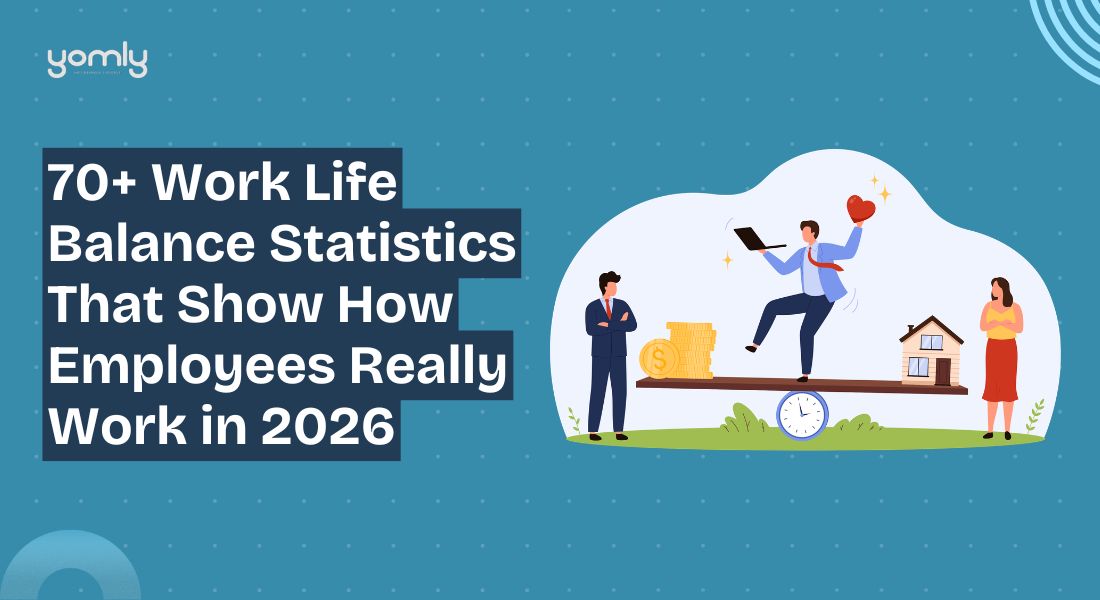





 English
  العربية