When a company grows from a small team to 500 plus employees, payroll stops being a simple monthly task. In the early stages, payroll is easier to manage with basic tools and manual checks.
But as you scale, you start hiring across different regions, add more roles and pay structures, and deal with changing tax and compliance rules. What worked for a 20 or 50 person team does not work at this level.
Most manual or semi manual payroll systems start to break under this pressure. Errors increase, approvals take longer, and compliance risks grow. Payroll teams spend more time fixing issues than running payroll smoothly. Delays in payouts or mistakes in deductions also hurt employee trust and create unnecessary back and forth with HR and finance.
As an organization scales, payroll needs to move from a basic process to a structured operation with clear workflows, controls, and systems.
This guide is for HR leaders, finance teams, and operations managers who manage payroll for large teams. It explains what changes when headcount crosses 500, where most payroll processes fail, and how you can set up a reliable payroll process that scales without adding chaos.
Payroll Complexity at 500+ Headcount: What You’re Actually Dealing With
While working with enterprise clients across the globe, we found these common payroll challenges show up as soon as teams cross the 500 employee mark.
Payroll is no longer just about paying salaries on time. It becomes a moving system with many inputs, dependencies, and compliance checks. Small gaps in data, approvals, or systems start to create visible errors. Below are the real complexity layers payroll teams deal with at this scale.
Multiple salary structures and bands
At 500 plus employees, salary structures are rarely uniform. Different teams have different pay bands, increments, bonuses, and allowances. Sales, tech, support, and leadership teams all follow different compensation logic.
Even within the same role, salaries vary based on experience, location, and hiring time. Over time, these differences grow and become hard to track if rules are not documented and system driven. Manual handling increases the risk of wrong payouts, missed revisions, and incorrect tax calculations. Payroll teams also spend more time validating numbers instead of running payroll efficiently.
Different employee types
Large organizations usually work with a mix of full time employees, contractual staff, consultants, and sometimes interns or project based resources. Each category follows different pay rules, tax treatment, benefits, and compliance requirements.
Contractual workers may have fixed term contracts, consultants may be paid against invoices, and full time employees follow monthly payroll cycles. Managing all of this in one process creates complexity. If employee type is not clearly mapped in the system, deductions and payouts can easily go wrong. Payroll teams also need to align closely with HR and finance to avoid misclassification.
Multiple locations, states, or countries
Once teams are spread across cities, states, or countries, payroll rules change. Tax slabs, social security rules, minimum wage norms, and statutory deductions vary by location. Leave policies and public holidays also differ.
Payroll teams need to apply the right rules for each employee based on where they are employed and paid from. Manual handling at this level often leads to compliance gaps. Even a small rule mismatch can cause penalties or incorrect deductions. Without a centralized system, teams end up maintaining multiple rule sheets and trackers that are hard to keep updated.
Variable components
Variable pay adds another layer of complexity to payroll at scale. These components change every month and depend on inputs from multiple teams.
Incentives
Overtime
عمولات
Performance bonuses
Shift allowances
When these inputs come late or in different formats, payroll gets delayed or processed with errors. Payroll teams spend a lot of time following up, cleaning data, and validating numbers. Without a clear cut off process and system validation, variable pay becomes the biggest source of payroll disputes and corrections.
High volume of joins, exits, and monthly changes
Large teams see constant movement. New employees join every month, some leave, and many have changes in salary, role, or location. Each change impacts payroll calculations, tax treatment, benefits, and final payouts. Exit settlements require accurate final pay, leave adjustments, and statutory deductions.
When these updates are tracked manually, things slip through. Missed updates lead to overpayments or underpayments. Payroll teams also struggle with version control of data. At scale, even a small delay in updating records can create errors across hundreds of payslips.
Core Payroll Workflow for Large Organizations (End-to-End)
Let us now check the full payroll workflow and how each stage needs to work when you are running payroll for 500 plus employees. At this scale, payroll is not a single task. It is a controlled process with defined inputs, validation layers, approvals, and outputs. Any break in one stage creates delays or errors in the final payout. A stable payroll operation depends on how well each step is designed and owned.
A. Input Collection
This is where most payroll issues start. Payroll depends on accurate inputs from HR, attendance systems, and business teams. This includes attendance and leave data, new joiner details, exit dates, salary revisions, and variable pay inputs such as incentives and overtime.
At scale, inputs come from multiple sources and teams, often in different formats. Large organizations need a fixed cut off date for inputs and a standard format for submissions. Inputs should be locked after the cut off to avoid last minute changes. Payroll teams should also run basic validations at this stage to catch missing bank details, incorrect employee status, or incomplete variable pay data.
B. Payroll Processing
Once inputs are locked, payroll processing should be rule driven and automated as much as possible. This includes applying salary structures, tax slabs, statutory deductions, and benefit contributions based on employee type and location. Large payroll runs should include automated checks for negative net pay, unusual variances from last month, and compliance thresholds.
Processing should also account for prorated salaries for joiners and exits, leave without pay, and retroactive adjustments. At this stage, payroll teams should avoid manual overrides unless absolutely required. Any manual change should be logged with a reason and approved to maintain audit trails and reduce future disputes.
C. Review and Approvals
Before payouts, payroll needs structured reviews by HR and finance. The review should focus on exception reports, not every individual payslip.
This includes employees with large month on month salary changes, negative balances, missing deductions, or unusually high variable pay. Finance should reconcile total payroll cost with budgeted numbers and prior month trends. HR should validate headcount changes, exits, and salary revisions reflected in payroll. Approvals should be role based and time bound.
Large organizations benefit from a payroll preview window where stakeholders can flag issues before payroll is locked. This reduces post payout corrections and employee complaints.
D. Payout and Reporting
After approvals, payroll moves to payout and reporting. Bank files should be generated in the required formats for different banks or countries and validated before upload. Payslips should be released on time with clear breakdowns of earnings and deductions. Payroll teams should also generate statutory reports for tax, social security, and other mandatory filings based on local laws.
Post payout, payroll totals should be reconciled with bank debits and accounting entries. A final payroll summary report should be shared with leadership covering total payroll cost, headcount changes, and key exceptions. This creates visibility and accountability for payroll as a core business process.
Compliance Checklist for Large Payroll Operations
Here is the compliance checklist large organizations should track every payroll cycle to avoid penalties, audit issues, and employee disputes. At 500 plus employees, compliance cannot live in spreadsheets or memory. It needs clear ownership, system driven rules, and regular checks.
Compliance Checklist
Employee classification by location and contract type
Correct tax slab and withholding setup
Social security and pension applicability
Insurance and statutory benefit coverage
Timely statutory deductions
Timely statutory remittances
Accurate statutory reports
Payroll audit trail and change logs
Record retention as per local laws
Compliance for remote and cross border employees
Exit settlement compliance
Payslip and payroll record compliance
If even one of these is missed, it can create legal risk, penalties, or employee trust issues. At scale, small compliance gaps become expensive problems very quickly.
With Yomly, you get compliance built into your payroll process. Our automated payroll tool makes sure employee category rules, tax deductions, statutory contributions, and reporting timelines are applied correctly every month.
Your team does not have to track changing rules manually. Payroll stays compliant by default, even as your headcount and locations grow.
Payroll Team Structure for 500+ Employee Companies
Here is a practical way to structure your payroll team once you cross 500 plus employees. While the exact setup depends on your business size and locations, we see the same core roles working well across most large organizations.
The goal is simple. Clear ownership, strong controls, and zero single point of failure. When payroll sits with one person or one team without backups, delays and errors become routine.
Below is a recommended payroll team structure you can adapt based on your scale and geography.
Role
Primary Responsibility
Key Focus Areas
Payroll Manager
Owns end to end payroll delivery
Process design, compliance oversight, final approvals, stakeholder coordination
Payroll Analysts
Run monthly payroll operations
Data validation, payroll processing, exception handling, payslip support
HR Operations Lead
Owns employee data accuracy
Joiners and exits, salary changes, employee type mapping, policy alignment
Tax updates, social security rules, filings, audit readiness
Payroll Systems Admin
Owns payroll tools and access
System configuration, user access control, integrations, data security
How Yomly Supports Payroll for 500+ Employee Companies?
When you move to an automated payroll platform like Yomly, most of the manual work and follow ups disappear. This helps you run payroll with fewer people, fewer errors, and far less stress every month. Instead of chasing inputs, fixing mistakes, and double checking calculations, your team can focus on controls and reviews.
With the right setup, even a small payroll team can handle large headcounts without breaking processes. Once the system is configured, it works the same way every month, no matter how fast your team grows or how many locations you add.
برنامج Yomly لكشوف المرتبات is built for large and complex payroll requirements. It stays stable even at 5000 plus employees and supports multiple employee types, locations, and salary structures in one system. Compliance rules, tax calculations, and statutory deductions are applied automatically based on employee category and region.
Built in approval workflows, audit trails, and reports make payroll easier to manage and audit ready. You can explore the full feature set or حجز عرض توضيحي to see how Yomly can simplify payroll operations for your team at scale.
Yomly هو best payroll software for hospitality businesses with 200+ employees. It supports hotel groups, restaurant chains, and large hospitality operators that run complex payroll every month.
Hospitality payroll is rarely simple. Teams handle multi-currency salaries, service charge distribution, shift overtime, seasonal hiring, and gratuity accruals. WPS compliance adds another layer of pressure. Yomly manages all these moving parts within a single secure payroll system.
More than 200 enterprise clients across 50+ countries use Yomly to process payroll for over 60,000 daily users. Yomly delivered a customised payroll solution for الغالية, increasing efficiency, automating overtime, and supporting rapid expansion across Bahrain and KSA.
Finance teams gain approval controls, audit trails, liability forecasting, and ERP-ready exports. Payroll runs stay accurate, compliant, and on schedule.
Core Features of Yomly:
Multi-country, multi-entity payroll engine: Run payroll across properties and countries while applying local wage rules and currency settings.
Hospitality-focused pay structure setup: Configure service charges, tips, overtime slabs, allowances, and deductions per department.
Automated salary events: Process prorations, final settlements, unpaid leave, and mid-cycle changes without spreadsheets.
WPS and bank file generation: Create compliant WPS and secure bank transfer files aligned with GCC regulations.
Bulk variable pay uploads: Import commissions, bonuses, and seasonal adjustments efficiently for large workforce volumes.
Gratuity and liability tracking: Calculate end-of-service provisions and generate finance-ready reports.
Approval workflows and audit logs: Control access, enforce approvals, and maintain payroll traceability.
Finance-ready exports: Generate payroll journals, variance reports, and ERP-compatible outputs.
التسعير: Enterprise modular pricing based on employee count and payroll complexity.
2. Oracle Hospitality
Oracle Hospitality delivers an integrated technology ecosystem for large hotel groups, resorts, casinos, and cruise operators that require centralized control across properties. The platform integrates property management, POS, finance, and operations systems into a single, unified environment.
Large hospitality brands use Oracle to manage room revenue, restaurant operations, event sales, and back office functions at scale. Its cloud-based OPERA platform enables standardization across thousands of locations while maintaining operational visibility.
Enterprise operators benefit from deep system integrations, advanced analytics, and strong financial controls that support high transaction volumes and multi-property environments.
Core Features
Cloud-based property management system: Manage reservations, room inventory, check-in, check-out, and housekeeping operations across multiple properties in one centralized system.
Integrated point of sale system: Connect restaurant, bar, and in-room dining transactions directly to guest profiles and financial records.
Multi-property operational control: Standardize processes, reporting, and data management across hotels, resorts, and global locations.
Event and sales management tools: Coordinate banquet bookings, conferences, and group sales with automated tracking and revenue forecasting.
Revenue and performance analytics: Monitor occupancy, ADR, restaurant revenue, and operational performance through real-time dashboards.
Centralized finance integration: Sync operational data with financial systems for accurate reporting and streamlined reconciliation.
التسعير: Custom enterprise pricing based on property size and deployment scale.
3. EQUAL HRMS for Hospitality
EQUAL HRMS for Hospitality focuses on operational control within mid- to large hospitality businesses that require payroll tightly integrated with daily workforce activity. The system integrates shift data, attendance records, salary structures, and reimbursement tracking into a single, unified payroll workflow.
Hospitality operators can configure policies based on local regulations, internal guidelines, and role-based compensation models. Instead of relying on separate tools, finance teams manage payroll, approvals, and compliance within a single centralized environment, reducing calculation errors and improving processing accuracy across properties.
Core Features
Biometric integrated payroll calculation: Capture clock-in and clock-out data automatically and convert attendance into payroll-ready salary calculations.
Custom policy-driven salary processing: Apply company-specific overtime rules, late penalties, allowances, and deductions without manual adjustments.
Shift and schedule linked pay computation: Calculate payroll based on assigned shifts, work hours, and real-time availability data.
Structured payroll approvals: Implement multi-step validation before payroll release to ensure financial control.
Integrated reimbursement processing: Include approved employee claims and advances directly within payroll cycles.
User-defined payroll reporting: Generate tailored reports for finance, compliance, and internal review purposes.
التسعير: Available upon request, based on deployment scope and employee volume.
4. ADP
ADP provides structured payroll and workforce solutions for hospitality businesses that manage complex scheduling, multiple job roles, and varied pay rates. Restaurant groups, hotels, and catering operators use ADP to process payroll accurately across departments and locations. The platform supports tip calculations, overtime tracking, bonus management, and compliance with labor regulations.
Businesses can run payroll locally or globally while maintaining consistent reporting standards. ADP helps operators reduce administrative workload and gain clearer visibility into employee costs, overtime exposure, and payroll trends across the organization.
Core Features
Multi-rate and multi-role payroll processing: Calculate salaries for employees working different roles, pay rates, and shifts within the same pay cycle.
Integrated time and attendance tracking; Capture worked hours, overtime, and time off data and sync directly into payroll calculations.
Tip and bonus management: Process tip allocations, incentives, and performance bonuses accurately within payroll.
Multi-location payroll control: Manage payroll across branches, outlets, or properties with centralized oversight.
Labor cost and payroll reporting: Generate detailed reports on wages, overtime costs, and department-level payroll breakdowns.
Compliance-focused processing: Apply regional labor rules and statutory requirements during payroll execution.
التسعير: Pricing varies based on company size, services selected, and geographic coverage.
5. Voyon Folks HRMS
Voyon Folks HRMS positions itself as a workforce automation platform for hospitality businesses that deal with constant staffing movement and payroll recalculations. Instead of treating payroll as a standalone task, the system integrates shift allocation, attendance capture, overtime rules, statutory deductions, and payout execution into a single continuous workflow.
Hotels and restaurant groups use Voyon to reduce salary disputes, control overtime leakage, and maintain compliance across dynamic work schedules. The platform focuses on minimizing payroll errors caused by fluctuating shifts, high attrition, and multi-department operations.
Core Features
Dynamic shift-driven payroll engine: Adjust payroll automatically based on assigned shifts, hours worked, and schedule changes.
Real-time attendance capture: Sync biometric data directly into salary computation to prevent time manipulation or manual corrections.
Automated statutory calculations: Process gratuity, income tax, and other mandatory deductions within payroll runs.
Loan and advance reconciliation: Track employee loans and recover amounts systematically during salary processing.
Workforce cost visibility dashboard: Analyze payroll impact by department, absenteeism, and overtime trends.
Integrated compliance controls: Apply rule-based validations before final payroll release.
التسعير: Available on request based on employee count and deployment scope.
What Key Features Should You Look for in Hospitality Payroll Software?
Advanced Tip Management and Gratuity Handling
Choose software that fully automates the tracking, allocation, pooling, and distribution of tips. It must distinguish between cash tips, credit card tips, declared tips, auto-gratuities (treated as wages in some cases), and tip credits under federal and state laws (such as FICA tip credits).
So, look for customizable rules based on shifts, roles, hours worked, or percentage-based pools, along with built-in audit trails for transparency and IRS-compliant reporting to simplify tax filings and reduce errors.
Integrated Time and Attendance Tracking
Ensure the system provides real-time clock-in/clock-out capabilities through mobile apps, kiosks, biometric devices, or geofencing. It should automatically capture breaks, meal periods, and overtime thresholds while enforcing compliance rules (e.g., mandatory breaks or daily/weekly overtime).
Support for Multiple Pay Rates, Shift Differentials, and Overtime Rules
The software needs to handle complex wage structures effortlessly, including different rates for the same employee across roles (e.g., server vs. bartender), night differentials, holiday pay, split shifts, and blended overtime calculations. Automatic enforcement of federal, state, and local overtime laws (such as time-and-a-half after 40 hours) and tip credit adjustments is critical to avoid costly violations.
Automated Tax Compliance, Filings, and Regulatory Updates
Select a solution that handles automatic calculation and withholding of federal, state, and local taxes, including tipped-employee-specific rules, wage garnishments, and year-end forms (W-2s, 1099s). Built-in compliance alerts, automatic updates for changing laws (especially important in multi-state operations), and features like ACA management help mitigate risk and reduce administrative burden.
Multi-Location Management and Centralized Control
For chains, groups, or properties with multiple sites, opt for centralized dashboards that support location-specific configurations, reporting, and labor cost tracking. The system should scale smoothly as your business expands, maintaining consistency while allowing departmental or site-level customization.
Payroll software for hospitality businesses with 200+ employees should deliver more than basic salary processing. It must handle complexity without slowing operations.
The right platform reduces manual intervention, strengthens compliance, and provides clear financial oversight across properties. Some solutions excel in enterprise integration, and others focus on shift accuracy and payroll automation.
The best choice depends on your structure, growth plans, and regulatory exposure. Choose a system that scales with your workforce and protects every payroll cycle from errors, delays, and compliance risks.
هل تعرف ما الذي يشمله نظام الرواتب فعلياً في عملك؟ إنه لا يقتصر على المرتبات. بل يشمل الالتزام، وثقة الموظفين، والتدقيق، وسمعة شركتك لدى السلطات في قطر. خطأ صغير واحد في نظام الدفع بالتحويل المصرفي (WPS)، أو هيكل الأجور، أو مستحقات نهاية الخدمة، أو مواعيد الدفع يمكن أن يؤدي إلى غرامات، أو حجب تصاريح العمل، أو موظفين غير راضين.
لدى قطر قواعد صارمة لكشوف المرتبات والعمال، وهذه القواعد تخضع للتحسين المستمر. إذا كنت تدير كشوف المرتبات يدويًا أو باستخدام جداول البيانات، يصبح من الصعب البقاء دقيقًا كل شهر. الأخطاء الصغيرة تتراكم بمرور الوقت وتظهر عادةً أثناء عمليات التدقيق أو عند إنهاء خدمة الموظفين.
هذه المقالة عبارة عن قائمة مرجعية مبسطة وعملية للامتثال للرواتب في قطر، محدثة لعام 2026. تغطي ما تحتاج إلى التحقق منه كل شهر، وما يجب عليك مراجعته كل ثلاثة أشهر، وما يجب أن يكون جاهزًا من اليوم الأول. كما توضح كيف برنامج Yomly لإدارة الرواتب في قطر يساعدك في تشغيل كشوف المرتبات المتوافقة مع WPS، وتتبع المكافآت، وإدارة البدلات، والبقاء جاهزًا لعمليات التدقيق دون الحاجة لعمل إضافي يدوي.
إذا كنت موظفًا في CHRO أو مديرًا في HR أو مديرًا ماليًا أو صاحب عمل في قطر، فاحفظ هذا الدليل. يمكنك استخدامه كقائمة مرجعية عملية لفريق الرواتب لديك وكمرجع عند إعداد أو مراجعة إجراءات الرواتب مع HR.
قائمة تدقيق الامتثال السريع لكشوف الرواتب في قطر (نظرة سريعة)
لراحتك، إليك قائمة مرجعية موجزة وسهلة الاستخدام للتأكد من الامتثال لقوانين الرواتب في قطر. يمكنك استخدامها كقائمة مراجعة شهرية وفصلية لفرق "HR" وفرق الرواتب لديك.
سجل في WPS وحافظ على امتثال ملفات كشوف المرتبات
تطبيق قواعد الحد الأدنى للأجور والبدلات
حسابات مكافأة نهاية الخدمة وحفظ السجلات
المساهمات في الضمان الاجتماعي والمعاشات التقاعدية للمواطنين القطريين
جدول الدفع وقواعد التحويل المصرفي بما في ذلك العملة والإطار الزمني
عطلات رسمية، مستحقات إجازات، وقواعد العمل الإضافي
حفظ السجلات، قسائم الرواتب، ومسار التدقيق
الاعتبارات الضريبية وإعداد التقارير في سياق الشركات والشخصي
شروط عقد العمل وتوثيق التغييرات
تنبيهات الامتثال وتسوية WPS
والآن، سنتعمق في كل نقطة من هذه النقاط ونشرح ما تعنيه عمليًا، وما عليك القيام به لضمان الامتثال للقوانين في قطر، وكيف يمكن لبرنامج الرواتب من Yomly مساعدتك في إدارة كل مجال من هذه المجالات بأقل جهد يدوي وأقل أخطاء.
نظرة مفصلة على عناصر القائمة الهامة
فيما يلي تفصيل مفصل لكل بند من بنود قائمة المراجعة، مشروح بعبارات عملية لتعرف بالضبط ما يجب عليك فعله ولماذا يهم للامتثال لدفع الرواتب في قطر.
إلى جانب كل نقطة من هذه النقاط، قمنا أيضًا بمشاركة إرشادات وموارد واضحة لمساعدتك على تطبيق هذه الإجراءات في عمليات الرواتب اليومية، ولترى كيف يمكن لبرنامج الرواتب من Yomly المخصص لقطر أن يساعدك في الحفاظ على الامتثال للقوانين دون إضافة أعباء عمل يدوية إضافية.
1. نظام حماية الأجور (WPS) - قناة إلزامية لكشوف الرواتب
نظام حماية الأجور (WPS) هو قناة الدفع الإلزامية للرواتب في قطر. يُطلب من جميع أصحاب العمل دفع رواتب الموظفين من خلال نظام حماية الأجور باستخدام البنوك المعتمدة والتنسيقات المحددة.
يستخدم هذا النظام من قبل السلطات لمراقبة دفع الرواتب والجداول الزمنية والامتثال لقواعد العمل. إذا كانت ملفات WPS غير صحيحة أو تأخرت المدفوعات، فقد يؤدي ذلك إلى عقوبات ومشكلات تشغيلية للشركة.
إليك إجراءات صاحب العمل التي تحتاج إلى التأكد منها للامتثال لنظام دفع الرواتب (WPS):
سجل شركتك لدى WPS من خلال بنك معتمد
حافظ على تفاصيل بطاقة هوية الموظف (QID) والبنك الدقيقة
إنشاء ملفات الرواتب بصيغة WPS المعتمدة
تقديم ملفات الرواتب ضمن دورة الرواتب المسموح بها
ضمان إيداع الرواتب في غضون الإطار الزمني المطلوب
إصلاح ملفات WPS المرفوضة أو الفاشلة فورًا
الحفاظ على سجلات تقديم ودفع WPS
يتميز برنامج الرواتب من Yomly المخصص لقطر بخاصية التصدير المدمجة إلى WPS بالصيغة المعتمدة من SIF، والتحقق التلقائي من صحة أرقام الهوية القطرية (QID) للموظفين وبياناتهم المصرفية، وتشغيل WPS وفقًا لجدول زمني محدد، وإصدار تحذيرات قبل الإرسال عند تحميل الملفات، بالإضافة إلى تقارير التسوية للتأكد من صحة معالجة الرواتب.
2. الحد الأدنى للأجور والمخصصات (قانون 2021 + التحديثات)
وضعت قطر إطارًا للحد الأدنى للأجور الوطنية في عام 2021 لضمان مستوى أساسي من الحماية للسداد لجميع الموظفين. يجب على أصحاب العمل التأكد من أن كل موظف يفي بمتطلبات الحد الأدنى للأجور وأن أي نقص يتم تغطيته من خلال البدلات المعتمدة مثل السكن والنقل عند الاقتضاء. هذا ليس إعدادًا لمرة واحدة. تحتاج إلى مراجعة الأجور عند وجود تحديثات أو تغييرات في الأدوار أو العقود أو اللوائح.
من منظور الامتثال لمدفوعات الرواتب، يجب عليك ربط عناصر الدفع بوضوح بحيث يتم تنظيم الأجر الأساسي والسكن والنقل والبدلات الأخرى بشكل صحيح في نظام الرواتب الخاص بك. يجب تطبيق مراجعات الأجور في الوقت المحدد على جميع الموظفين المتأثرين، ويجب توثيق كل تغيير بشكل صحيح بعقود محدثة أو خطابات رواتب.
إذا لم يتم تعيين هيكل الرواتب الخاص بك بشكل صحيح، فقد تدفع المبلغ الإجمالي الصحيح ومع ذلك تفشل في عمليات التحقق من الامتثال. لهذا السبب من المهم الحفاظ على هيكل الأجور الخاص بك نظيفًا ومحدّثًا وقابلاً للتدقيق.
3. مكافأة نهاية الخدمة (المكافأة)
مثل الإمارات العربية المتحدة، تتمتع قطر أيضًا بمزايا نهاية الخدمة، والتي يطلق عليها عادةً مكافأة نهاية الخدمة. هذا هو مبلغ قانوني يجب على أصحاب العمل دفعه للموظفين المؤهلين عند مغادرتهم للشركة، بناءً على راتبهم الأساسي ومدة خدمتهم.
صيغة المكافأة في قطر:
مكافأة نهاية الخدمة = الراتب الشهري الأساسي ÷ 30 × 21 × عدد سنوات الخدمة المكتملة
هذا يعني أن مكافأة نهاية الخدمة تُحسب على أساس 21 يومًا من الراتب الأساسي لكل سنة خدمة مكتملة ويجب تسويتها عند التسوية النهائية.
يجب على أصحاب العمل حساب مكافأة نهاية الخدمة بدقة، والاحتفاظ بسجلات سليمة لفترات الخدمة وتاريخ الرواتب، والتأكد من سداد التسوية النهائية في الوقت المحدد عند مغادرة الموظف. لا ينبغي التعامل مع مكافأة نهاية الخدمة كفكرة لاحقة. يجب تتبعها طوال دورة حياة الموظف لتجنب المفاجآت عند المغادرة أو المراجعة.
لدينا أيضًا دليل مفصل حول مستحقات نهاية الخدمة في قطر و و حاسبة المكافأة قطر التي يمكنك استخدامها لتقدير مدفوعات لسيناريوهات موظفين مختلفة. يمكنك الاطلاع على هذه لمقارنة كيف يتم حساب المكافأة في الحالات الواقعية ولتخطيط أفض لمرتباتك و provisions المالية.
4. Social security / pensions (Qatari nationals)
In Qatar, social security and pension contributions apply mainly to Qatari nationals under Social Insurance Law No. 1 of 2022. This law mandates a state pension scheme for Qatari employees and sets clear rules on eligibility, contribution rates, and retirement benefits.
Main pointers you need to track:
A Qatari national becomes eligible for pension benefits at age 50 with at least 25 years of service.
The contribution rate is 21% of the contributory wage (total of basic salary plus social/housing allowance).
Employee share: 7%
Employer share: 14%
Contributions are capped on a contributory wage of QAR 100,000 per month.
The minimum pension benefit in government practice is around QAR 15,000 per month for retirees, with housing allowances up to QAR 6,000 depending on rules at the time of retirement.
Expatriate employees are generally exempt from Qatar’s state pension scheme. This makes accurate nationality classification in your payroll system critical for compliance and correct deduction management.
Yomly’s automated payroll takes care of all the auto deduction rules by employee category, contribution reporting, and the remittance calendar, so your team does not have to manage these rules manually every month.
5. Pay timing, currency & payslip rules
Payment for salaries in Qatar must follow clear timing, currency, and payslip rules. These are not flexible guidelines. They are compliance requirements that are tracked through WPS and can be checked during labour inspections.
Here are the specific things you should follow:
Salaries must be paid through WPS using an approved bank
Wages should be paid in Qatari Riyal only
Monthly paid employees should receive salaries at least once every month
Wage transfers should be completed within the WPS allowed payment window after payroll is processed
Payslips should show a clear break up of basic salary, allowances, deductions, and net pay
Payslips should be issued for every pay cycle and stored for records
Bank account details used for payroll must match employee records submitted under WPS
Any change in salary, allowances, or deductions should reflect in the next payroll cycle and payslip
You should also define and document your internal pay cycles clearly, such as payroll cut off date, payroll processing date, and salary credit date. This helps your team stay consistent and reduces the risk of delayed payments, which can trigger compliance flags under WPS.
Other Important Items For Payroll In Qatar
Here are other important payroll compliance items you must track in Qatar. These points focus on rules you need to follow every month and every year to stay audit-ready and compliant with labour requirements:
Record-keeping, audits & labour inspections
Maintain payroll records for required retention period
Store employment contracts and amendments
Keep payslips and WPS submission files
Retain attendance, leave, and overtime logs
Have a clear audit trail for payroll calculations
Public holidays & special days
Recognise statutory public holidays with paid leave
Apply correct holiday pay or compensatory offs
Track annual leave entitlement and carry-over rules
Record additional employer-specified paid holidays
Apply correct overtime pay rules when work is done on holidays
Payslip & documentation standards
Issue payslips every pay cycle
Show detailed break-ups: basic, allowances, deductions
Ensure payslips match WPS figures
Keeping these records and applying these checks every pay cycle helps you stay ready for audits and government inspections without last-minute rushes or missing files.
Implementation checklist & timeline (practical)
Here is a simple and practical 30, 60, and 90 day implementation plan you can follow to set up compliant payroll in Qatar and move to a more structured process with Yomly.
First 30 days: Setup and compliance foundation
Register or validate your WPS setup with your bank
Collect and verify employee QIDs, bank details, and contract data
Define your payroll calendar with cut off date, processing date, and salary credit date
Map salary structures into basic, housing, transport, and allowances
Identify Qatari nationals for social security and pension setup
Configure pay elements and deductions in Yomly
Upload existing payroll records and employee documents
Set user roles and access for HR and finance teams
Next 60 days: Parallel run and validation
Run payroll in parallel on your current system and Yomly
Generate WPS files from Yomly and validate format and data
Test gratuity calculations and final settlement scenarios
Validate social security deductions for Qatari nationals
Reconcile payslips with bank credits and WPS reports
Train HR and payroll users on Yomly workflows
Fix data gaps or structure issues found during parallel runs
Next 90 days: Go live and optimisation
Move fully to Yomly for live payroll processing
Enable automated WPS scheduling and alerts
Set up compliance reminders for pay dates, WPS submissions, and remittances
Create standard payroll checklists for monthly runs
Set up audit ready reports for payslips, WPS, gratuity, and deductions
Review payroll accuracy and timelines after first two live cycles
Document your internal payroll SOP and handover to operations
This phased approach reduces risk, avoids payroll disruptions, and helps your team move to a compliant and scalable payroll setup in Qatar without rushing critical compliance steps.
Payroll Compliance in Qatar Made Simple With Yomly
Payroll compliance in Qatar involves many moving parts, from WPS files and pay structures to gratuity, social security, and audit records. Managing all of this manually increases the risk of delays, errors, and compliance gaps.
All of this can be automated through Yomly’s cloud based integrated payroll software. More than 250 large scale businesses trust Yomly to manage complex payroll operations. Over one lakh daily users run payroll and HR workflows on the platform, backed by 99.9 percent system uptime. This means your payroll process stays reliable even during peak processing days.
احجز عرضًا توضيحيًا مع Yomly to see how each compliance component is handled in a single system, from WPS exports and payslips to gratuity tracking and audit ready reports. Our team will walk you through the full setup and help you configure Yomly for your Qatar payroll requirements, so you can move to a compliant and scalable payroll process with confidence.
AI powered payroll systems do reduce errors. But they do not fix payroll by themselves. Real world usage shows clear benefits in some areas and clear limits in others. The value depends on how teams use the system, not on the AI label.
Do AI powered payroll systems reduce errors in practice?
Yes, they reduce certain types of errors. They work best where payroll work follows repeat patterns. They fail where judgment, interpretation, or exceptions are involved.
Teams that saw no value often expected full automation. Teams that saw value treated AI as a support layer, not as the decision maker.
⭐ Note: For enterprises operating in the GCC, platforms like Yomly apply these AI driven checks within a locally compliant برنامج إدارة الرواتب. This helps teams reduce errors while keeping human approval in place.
Reducing manual data entry mistakes
Manual entry is one of the biggest sources of payroll errors. Entering hours, overtime, leave, and employee details by hand leads to missed digits and wrong values. AI reduces this risk by pulling data directly from time tracking, leave management, and attendance systems. This removes repeated copy paste work. With fewer handoffs between systems and people, payroll teams see fewer basic mistakes.
Catching issues before payroll runs
Many payroll errors appear only after salaries are processed. AI changes this by reviewing payroll data before the final run. It looks for unusual changes such as sudden pay increases, missing approvals, or unexpected overtime spikes. These alerts give payroll teams time to investigate and fix issues early. This prevents salary reversals, employee complaints, and extra processing cycles.
Keeping tax and statutory data updated
Tax rules and statutory limits change often. Missing an update leads to compliance errors and penalties. AI powered systems monitor these changes and update tax tables automatically across regions. This is especially useful for companies running payroll in multiple states or countries. Up to date compliance data reduces errors caused by outdated rules and manual tracking.
⭐ Note: In regions like the UAE and KSA, enterprise HR platforms such as Yomly focus on automated statutory updates, WPS file generation, and region specific payroll rules to reduce compliance related errors.
Highlighting payroll variances early
Large payroll files make it easy to miss problems. AI compares current payroll data with previous cycles and highlights major differences. This includes sharp cost increases, role level pay shifts, or unexpected deductions. Payroll teams can review only the flagged items instead of scanning every line. This focused review improves accuracy without adding more work.
Improving timesheet approvals and hygiene
Late timesheet approvals disrupt payroll schedules. AI tracks approval patterns and sends reminders only to managers who delay approvals regularly. This targeted approach keeps payroll timelines stable. Cleaner approval cycles reduce last minute changes and off cycle payroll corrections, which are common sources of errors.
Where AI payroll systems still fall short
Final pay and tax decisions still need human approval
Payroll teams do not trust AI to make final salary or tax decisions. Even the best systems require a human sign off before payments and filings. This review step helps catch context based errors that AI cannot see. Removing human approval increases financial and compliance risk.
Labor law edge cases confuse AI systems
Labor laws include exceptions, local interpretations, and case specific rules. AI struggles with these gray areas. It cannot apply legal intent or adjust decisions based on nuanced situations. Payroll professionals still need to interpret laws and apply them correctly.
Custom company payroll rules require precise setup
Every company has unique payroll policies. This includes overtime rules, benefits, allowances, and deductions. AI only works when these rules are configured accurately. Poor setup leads to incorrect calculations and wrong outputs. AI does not fix weak payroll configuration.
Special payroll cases remain largely manual
Special payroll scenarios need close human review. This includes bonuses, final settlements, arrears, retro pay, and contract changes. AI can help by organizing data or flagging issues, but it cannot make final decisions. Human judgment remains critical in these cases..
Does AI reduce workload even if errors remain?
Yes. AI cuts manual review time. Fewer manual steps reduce human error indirectly. Teams spend less time chasing approvals and more time validating outputs. Oversight still matters. AI without monitoring creates new risks.
???? Here’s a relevant comment from a Reddit user:
Why AI payroll systems fail in real companies
Most failures come from process gaps. Common causes include poor setup, no monitoring, blind trust in outputs, missing audit trails, and no human approval step.
So is AI powered payroll real or just hype?
AI powered payroll is real when it supports payroll teams. It reduces errors through data cleanup, error detection, compliance alerts, and payroll insights. It is hype when vendors sell it as fully automated payroll with no human review. AI improves accuracy and efficiency, but it does not replace payroll expertise.
Payroll in Abu Dhabi requires strict compliance with the UAE Wage Protection System, end-of-service gratuity rules, and MoHRE labour laws. As organizations grow, payroll becomes more complex due to multi-currency salaries, frequent employee movement, and mandatory reporting requirements.
This roundup highlights ten payroll software platforms used by Abu Dhabi businesses. Each tool supports UAE payroll compliance while serving different operational needs, from small local teams to large enterprises operating across multiple entities.
1. يوملي
يوملي هو leading payroll and HR software built for enterprises in Abu Dhabi, with 250-plus employees and multi-branch operations. Mid and Large companies across construction, healthcare, finance, education, and government use Yomly to manage complex payroll across multiple locations.
This cloud-based HRMS helps enterprises run WPS-compliant payroll across Abu Dhabi, other UAE emirates, and GCC countries. It supports multi-currency salaries, statutory deductions, end-of-service calculations, and secure bank transfers. Automated workflows and employee self-service portals reduce manual HR work by up to 70 percent.
Yomly gives enterprise teams full control through real-time payroll reports, approval flows, audit logs, and ERP integrations. It ensures accurate and compliant payroll for workforces with over 200 employees while meeting UAE labour laws. With Yomly, multi-branch companies centralize payroll and HR operations without setting up local entities.
Yomly Payroll Features
WPS Payroll Automation: Automates multi-location payroll with WPS compliance, multi-currency salaries, and statutory deductions.
Employee Self Service: Employees access payslips, apply for leave and claims, update profiles, and track benefits.
Multi Country Payroll: Runs payroll across GCC, MENA, and SEA with local tax rules and forex handling.
ERP and Bank Integrations: Connects with ERP systems, UAE banks, and biometric attendance for accurate transfers.
Approval Workflows: Supports multi-level approvals with full audit trails.
Compliance Dashboard: Shows WPS status, labour law compliance, costs, and reports in real time.
Bulk Payroll Processing: Manages mass uploads, contractor pay, and performance-based bonuses.
Bayzat works well for Abu Dhabi-based consulting firms and corporate teams that combine payroll with heavy expense activity. Instead of treating payroll and reimbursements as separate tasks, Bayzat processes them together under one approval flow. This helps finance teams close payroll faster without chasing receipts or manual adjustments.
The system tracks work done at client locations and maps billable hours directly to payroll. It also supports project-wise salary breakdowns, variable pay, and layered approvals. Bayzat suits white collar organizations that value payroll accuracy, cost visibility, and clean audit trails under UAE labour rules.
Bayzat Payroll Features
Bayzat tracks remote workers via GPS zones at client locations, syncing billable hours directly to payroll.
Automatically flags overlapping receipts, taxi fares and hotel claims before payroll reimbursement approval.
Breaks consultant payroll by client project, showing utilization rates for profitability analysis and invoicing.
Matches credit card transactions to payroll-approved expenses with one-click vendor payment integration.
Configurable workflows route high-value claims through director/VP approval before payroll processing.
Handles different hourly rates per client/project with automated timesheet-to-payroll conversion.
Maintains immutable logs of all payroll changes, approvals and WPS file generations for regulatory review.
التسعير: Bayzat offers custom pricing based on the number of employees and selected features.
3. factoHR
factoHR is an HR and payroll platform used by healthcare providers in Abu Dhabi that manage large nursing and support staff workforces across rotating and on-call shifts. It supports WPS-compliant payroll and handles overtime limits, night differentials, on-call allowances, and split-duty schedules common in hospital environments. The platform manages payroll components linked to licensing and compliance requirements, along with deductions such as expatriate medical insurance. factoHR also supports cost allocation across care units and produces payroll outputs suitable for statutory filings. It fits healthcare organizations that operate around the clock and need structured payroll controls, consistent compliance handling, and reduced reliance on manual tracking.
factoHR Payroll Features
Healthcare Shift Differentials: factoHR calculates night/on-call premiums, locum rates and split-shift pay compliant with UAE healthcare rules.
License Renewal Payroll Link: Suspends salary automatically for expired MOHRE nursing licenses until documentation updates.
Patient Care Costing: Allocates payroll by department, ward and procedure type for accurate hospital financial reporting.
Multilingual Nurse Portal: Arabic/Tagalog/English payslips with voice support for non-desk medical staff accessibility.
Overtime Cap Compliance: Enforces 2x daily OT limits per UAE law with automatic alerts and payroll adjustments.
Insurance Deduction Engine: Manages expatriate medical coverage premiums with auto-escalation based on family status.
Locum Contractor Processing: Handles temporary nursing staff payments with WPS filing and contract auto-expiry.
التسعير: factoHR offers three plans billed quarterly. The Core plan starts at ₹4,999 per month, the Premium plan at ₹5,999 per month, and the Ultimate plan at ₹6,999 per month, each covering up to 50 employees with extra per employee charges of ₹69, ₹89, and ₹119, respectively.
4. Paylite
Paylite is a payroll system used by cleaning and security contractors in Abu Dhabi that manage large numbers of daily wage workers across multiple and often remote sites. It supports WPS-compliant payroll and links attendance directly to daily and shift-based payments, including per-diem allowances, night shifts, and public holiday rates.
The system handles split shifts common in security rotations and cleaning handovers, and generates WPS files suitable for inspections and statutory submissions.
Paylite supports bulk payslip delivery via SMS for workers without smartphones and allows quick wage adjustments without complex configuration. It fits labour supply firms with frequent headcount changes that need fast payroll processing, reliable compliance, and minimal operational overhead.
Paylite Payroll Features
Daily Wage Automation: Paylite calculates per-day payments based on biometric punches with holiday/night shift premiums automatically.
Bulk SMS Payslips: Sends payslip summaries via SMS to basic phones, eliminating internet dependency for blue-collar workers.
Site Attendance Geo-Fencing: GPS zones at client locations track cleaning/security teams syncing directly to daily wage calculations.
Per-Diem Allowance Engine: Manages food/transport allowances varying by assignment location with automated payroll inclusion.
Rapid Headcount Upload: Excel import handles 100+ daily hires/terminations common in contract labour firms.
Public Holiday Multipliers: Auto-adjusts wages for UAE holidays, Fridays and shift handovers compliant with labour contracts.
Instant WPS File Export: Generates inspection-ready SIF files within minutes for surprise MoHRE compliance checks.
التسعير: Paylite offers custom pricing based on company size and payroll requirements.
5. Gulf HR
Gulf HR focuses on payroll scenarios common in Abu Dhabi’s industrial and logistics sectors. It handles WPS-compliant payroll while applying nationality-based salary rules, housing benefits, and region-specific allowances that many GCC employers follow.
The platform links visa and ID status to salary release, which reduces compliance risk during audits. Gulf HR also supports Arabic first approvals and runs mainland and free zone payroll in parallel. Companies choose it when they need tight control over labour costs and payroll structures aligned with UAE and GCC regulations.
Gulf HR Payroll Features
GCC Nationality Pay Scales: Gulf HR automates salary structures varying by nationality, experience brackets and contract types per UAE labour rules.
Arabic Supervisor Interface: Site managers approve attendance and overtime claims through fully Arabic dashboards with photo-verified records.
Free-Zone Dual Payroll: Processes mainland vs free-zone salaries simultaneously with separate WPS files and compliance reporting.
Bulk Visa Document Link: Ties Iqama/Emirates ID expiry to payroll holds, preventing illegal salary payments automatically.
Project Labour Costing: Allocates payroll expenses by work order, department and client for tender profitability analysis.
Housing Allowance Engine: Manages accommodation advances, deductions and family-status adjustments compliant with tenancy laws.
13th Month Automation: Calculates annual bonus eligibility, pro-rata amounts and tax implications based on join/termination dates.
التسعير: GulfHR provides custom pricing based on business needs and selected features.
6. Zapio HR
Zapio HR is a payroll and HR system used by retail chains and food and beverage outlets in Abu Dhabi that manage hourly staff across multiple branches. It supports WPS- and SIF-compliant payroll and handles walk-in hiring, daily wage adjustments, shift-based pay, and commission splits common in retail and casual dining environments.
The platform supports rapid onboarding through mobile tools and live rostering to reflect frequent schedule changes. Zapio HR generates statutory payroll files and supports basic compliance workflows with local support.
Zapio HR Payroll Features
Single-Touch Payroll: Zapio automates UAE salary calculations, WPS files and bank transfers with one-click processing for instant pay runs.
Free Onboarding Module: Digital employee forms flow directly into payroll database eliminating manual data entry during hiring.
Rostering Budget Control: Real-time shift planning shows labor costs vs budget before payroll calculation and approval.
Commission Formula Builder: Creates custom sales incentives, tiered bonuses and variable pay rules without programming.
Multi-Company Processing: Manages separate payrolls for branches or clients under single login with isolated security.
Mobile Payslip Portal: Employees access digital payslips and breakdowns through secure cloud interface immediately.
Payroll Migration Testing: Runs parallel calculations during system switch ensuring 100% accuracy before live deployment.
التسعير: Zapio HR offers Lite, Pro, and Ultimate plans with free access, and pricing details are shared on request based on business needs.
7. Truebays
Truebays is built for construction payroll, where payroll accuracy depends on site data. It pulls attendance directly from biometric gates and converts long shifts, night work, and overtime into payroll ready values without manual effort.
The system blocks payroll for workers with expired visas and tracks wages by site and project stage. Supervisors approve payroll inputs using Arabic dashboards designed for field use. Truebays fits contractors who operate across multiple sites and need payroll that stays inspection ready at all times.
Truebays Payroll Features
Construction WPS Automation: Truebays generates SIF files, site allowances and overtime compliant with UAE construction labor rules automatically.
Biometric Site Attendance: Construction gate clocks sync worker hours, night premiums and breaks directly to payroll calculations.
Visa Expiry Payroll Holds: Automatically flags and suspends salary for expired visas/Iqamas until documentation updates.
Project Cost Allocation: Breaks payroll by site, project phase and cost code for client invoicing and profitability tracking.
Material Allowance Engine: Manages safety gear, accommodation and transport reimbursements with automated deductions.
Supervisor Arabic Dashboard: Site managers approve OT/claims in Arabic with photo-verified attendance records.
Rapid Free-Zone Setup: Configures separate payroll rules for Jebel Ali, DMCC and ADGM within single platform.
التسعير: TrueBays provides custom quotes based on business size, modules selected, and implementation needs.
8. Equal HRMS
Equal HRMS is a payroll and HR system used by hotel groups and food and beverage operators in Abu Dhabi that manage shift-based, part-time, and seasonal staff. It supports WPS-compliant payroll and handles hospitality-specific pay components such as service charges, tip pooling, uniform allowances, and split shifts.
Equal HRMS links payroll processing with visa and employment status workflows to support ongoing compliance requirements. Equal HRMS provides multilingual employee interfaces and supports rapid onboarding during peak hiring shows.
Equal HRMS Payroll Features
Hospitality Shift Payroll: Processes complex rotas, split shifts, service charges and part-time calculations compliant with UAE labour laws.
Tip Pool Distribution: Automatically allocates gratuities and service fees across staff based on hours worked and department rules.
Visa Renewal Integration: Links payroll data to MoHRE visa status, ensuring compliance before salary release automatically.
Multilingual Employee Portal: Arabic, Tagalog, English payslip access with voice-assisted navigation for blue-collar workers.
Seasonal Hiring Tool: Bulk contractor onboarding with auto-expiry contracts and final settlement calculations.
Uniform Allowance Tracking: Manages clothing reimbursements and replacements with automated payroll deductions.
F&B Cost Center Reports: Breaks payroll by outlet, kitchen, and FOH with profitability analytics per location.
التسعير: Equal HRMS also offers custom pricing based on business requirements and required features.
9. داروين بوكس
Darwinbox targets large enterprises in Abu Dhabi that run payroll across countries, currencies, and pay structures. It handles WPS payroll while supporting incentives, corrections, and mid-cycle changes without restarting payroll runs.
Payroll teams follow a controlled review and release flow that improves accuracy before salary payout. The platform also highlights pay variances and compliance risks early. Darwinbox works best for fast-growing companies that need scalable payroll governance with strong reporting and audit support.
Darwinbox Payroll Features
RIVeR Workflow Automation: Darwinbox streamlines payroll through a Review-Initiate-Verify-Release framework with digital approvals and audit trails.
Global Attendance Sync: Real-time integration pulls biometric data, overtime and leaves from 160+ countries directly into UAE payroll runs.
Delta Processing Engine: Handles corrections, backdates and mid-cycle changes within the same payroll run without reprocessing entire batches.
AI Variance Analytics: Automatically flags discrepancies, forex impacts and compliance risks with drill-down dashboards for finance review.
Multi-Pay Group Support: Processes salaried, hourly, contractors and incentives simultaneously with custom frequencies and structures.
Employee Digital Wallet: Mobile payslip access plus reimbursements, flexi-benefits claims processed instantly without HR touchpoints.
Compliance Report Factory: Generates 350+ MoHRE, WPS and statutory filings with one-click export and historical audit access.
التسعير: Darwinbox offers custom pricing based on company size, modules selected, and enterprise requirements.
10. ZenHR
ZenHR is designed for businesses that run fast-paced frontline teams in Abu Dhabi. Retail stores and food outlets use it to pay mixed GCC workforces while staying aligned with WPS rules and local labour practices.
The system adjusts pay for changing shifts, late hours, probation periods, and Ramadan schedules without manual fixes. It also keeps payroll paperwork and expense claims organized by branch or department. ZenHR fits teams that need steady payroll control while staff, schedules, and locations keep changing.
ZenHR Payroll Features
Localized MENA Payroll: ZenHR automates WPS/GOSI calculations, tax deductions and social insurance across UAE/Saudi regulations simultaneously.
Geolocation Attendance: GPS-enabled mobile clocking tracks field sales, delivery staff syncing directly to payroll with shift differentials.
Multi-Branch Cost Centers: Allocates payroll expenses across departments, projects and locations with automated financial reporting.
Ramadan Shift Adjustments: Automatically adjusts salaries for reduced hours, meal allowances and holiday premiums during the holy month.
Cross-Border Contractor Pay: Manages 1099-equivalent contractors across GCC with localized tax forms and payment reconciliation.
Expense-Cost Center Link: Ties receipts and travel claims directly to department budgets with real-time approval workflows.
Provisions Calculator: Computes end-service gratuity, leave encashment and probation payouts compliant with hybrid contracts.
التسعير: ZenHR does not publish fixed pricing and provides tailored annual subscription quotes based on business size, modules chosen, and regional needs..
الكلمات الأخيرة
Running payroll in Abu Dhabi means meeting strict WPS, gratuity, and labour law rules at every stage. As organizations grow, payroll complexity rises with more employees, locations, and salary structures.
This is where many systems start to fail. Yomly gives enterprises a single platform to manage compliant payroll, approvals, and reporting without manual work. It is built for teams with 250+ employees that need accuracy at scale. If payroll is becoming harder to control, book a free demo to see how Yomly simplifies it.
Payroll in the Philippines is not just about paying salaries on time. It involves strict compliance with tax laws, statutory contributions, reporting deadlines, and frequent regulatory updates. A small mistake can lead to penalties, employee dissatisfaction, or audit issues.
At Yomly, we offer a modern HR and payroll platform built for Philippines’ businesses. While working closely with employers across different industries, we continuously track the latest payroll rules, contribution changes, tax updates, and compliance requirements issued by Philippine authorities.
In this complete 2026 guide, we will cover how payroll is structured in the Philippines, mandatory registrations, salary components, statutory deductions, tax compliance, payroll timelines, and common mistakes to avoid. The goal is to give you a clear, step by step understanding of what is required to run compliant payroll operations and how to manage them efficiently as your business grows.
Understanding Philippines’s Payroll Framework
Let us first start by understanding how payroll works at a structural level in the Philippines. This section will help you see who regulates payroll, which laws apply, and why payroll in the Philippines feels very different from many other countries.
Key Payroll Authorities in the Philippines
Payroll in the Philippines is governed by multiple government bodies. Employers must comply with all of them at the same time.
Bureau of Internal Revenue: Responsible for income tax, withholding tax on compensation, monthly and annual tax filings, and employee tax reporting.
Social Security System: Manages retirement, disability, sickness, maternity, and other social security benefits. Both employer and employee contributions are mandatory.
PhilHealth: Oversees mandatory national health insurance contributions for employees.
Pag-IBIG Fund: Handles housing savings and loan contributions. Contributions are compulsory for most employees.
Department of Labor and Employment: Regulates labor standards such as minimum wage, working hours, overtime pay, holiday pay, and 13th month pay.
Major Laws That Impact Philippine Payroll
Several labor and tax laws directly affect how payroll is computed and processed.
The Labor Code of the Philippines sets rules for wages, working hours, overtime, rest days, holidays, and mandatory benefits such as 13th month pay.
National Internal Revenue Code governs income tax, withholding tax, and employer tax reporting obligations.
Social security, health insurance, and housing fund laws define contribution rates, salary ceilings, and remittance schedules.
Wage Orders issued by regional boards determine minimum wage levels, which vary by location.
Employers must continuously track updates to these laws because contribution rates, tax thresholds, and exemptions are revised regularly.
Key Differences You Will Find in the Philippines Payroll System
When new companies enter the Philippine market, they often find payroll more complex than expected. Here are some key differences you will notice compared to other countries.
Payroll compliance is spread across multiple agencies, not a single authority
Contribution rates and salary caps change frequently
Minimum wages differ by region, not just by job role
13th month pay is mandatory and heavily regulated
Allowances must be carefully classified as taxable, non taxable, or de minimis
Reporting deadlines vary between agencies and are strictly enforced
Many international businesses underestimate these differences and rely on manual processes, which often leads to errors, delayed filings, and compliance risks.
Companies that use Yomly stay ahead of these challenges. Yomly offers an automated HR and payroll platform designed to handle Philippine payroll requirements in one place.
It automatically applies statutory contribution rules, keeps payroll calculations aligned with the latest regulatory updates, generates compliant payroll reports, and helps ensure deadlines across all authorities are met accurately and on time.
Payroll Components in the Philippines
Payroll in the Philippines is divided into clear components that together determine an employee’s final take home pay. Each component has specific rules around calculation, taxation, and statutory compliance. Understanding these components is critical to running accurate and compliant payroll.
Below are the key payroll components every employer in the Philippines must account for.
الراتب الأساسي
Basic salary is the fixed amount agreed upon in the employment contract. It serves as the base for most payroll calculations, including:
Statutory contributions
Overtime and holiday pay
13th month pay
Taxable income
Basic salary must meet or exceed the applicable regional minimum wage. It does not include bonuses, allowances, or variable pay.
Allowances and Benefits
Allowances are payments provided in addition to basic salary. Common allowances include:
Transportation allowance
Meal or rice allowance
Uniform or clothing allowance
Communication allowance
Allowances are classified as taxable, non taxable, or de minimis benefits. Correct classification is critical to avoid tax and compliance issues.
Overtime Pay
Overtime pay applies when employees work beyond eight hours in a day. It is calculated based on the employee’s hourly rate and the applicable overtime premium.
Overtime rates vary depending on whether the work is performed on a regular working day, rest day, or holiday. Accurate attendance and time tracking are required to compute overtime correctly.
Night Shift Differential
Employees who work between 10:00 PM and 6:00 AM are entitled to night shift differential pay.
This is calculated as an additional percentage of the regular hourly rate for each hour worked during the night shift period and must be reflected separately in payroll records.
Holiday and Rest Day Pay
The Philippines recognizes both regular holidays and special non working days. Payroll computation depends on:
Type of holiday
Whether the employee worked or not
Whether the day falls on a scheduled rest day
Correct application of holiday pay rules is essential, as miscalculations are a common payroll error.
Bonuses and Incentives
Bonuses may be discretionary, performance based, or contractual. Most bonuses are taxable unless specifically exempt under tax regulations.
Bonuses must be recorded separately from basic salary to ensure correct tax treatment.
13th Month Pay
13th month pay is a mandatory benefit for rank and file employees in the Philippines who have rendered at least 30 days of service within the calendar year, regardless of employment status or contract type.
It is computed on a pro rata basis, equivalent to one twelfth of the total basic salary actually earned during the year. Only basic salary is included in the computation. Overtime pay, allowances, and other monetary benefits are excluded unless they are considered part of basic pay by company policy.
Employers are required to release the 13th month pay on or before December 24 each year.
For tax purposes, 13th month pay is tax exempt up to a limit (say ₱90,000), combined with other qualifying bonuses and benefits. Any amount exceeding this threshold becomes subject to income tax and must be included in payroll tax computations.
Net Pay
Net pay is the final amount received by the employee after all earnings are added and all deductions and taxes are subtracted.
Accurate net pay calculation depends on properly managing each payroll component. As payroll complexity increases, many employers move away from manual calculations to automated payroll systems to reduce errors and maintain compliance.
الخصومات القانونية
One of the key responsibilities of employers in the Philippines is the correct computation and timely remittance of statutory deductions. These deductions are mandatory, shared between the employer and the employee, and directly affect net pay and compliance status.
Below are the exact statutory deductions, who pays what, and how they are typically computed.
SSS (Social Security System)
SSS contributions are mandatory for all covered employees and are shared between the employer and the employee.
The current contribution structure reflects post 2025 updates, where the overall contribution rate increased, resulting in a higher employer share. Contribution amounts are based on the employee’s Monthly Salary Credit, not just basic salary.
Employer responsibility includes:
Calculating both employer and employee shares per pay period
Deducting the employee portion from salary
Remitting the total contribution on a monthly basis
To compute SSS per pay period, employers divide the monthly contribution according to their payroll frequency and ensure the full monthly amount is remitted within the prescribed deadline.
PhilHealth
PhilHealth contributions follow a fixed premium rate under the 2025 schedule.
Premium rate: 5.0 percent of monthly basic salary
Monthly salary floor: ₱10,000
Monthly salary ceiling: ₱100,000
The contribution is equally shared between employer and employee. If an employee’s salary exceeds the ceiling, the contribution is capped at the maximum amount.
Pag-IBIG (HDMF)
Pag-IBIG contributions are mandatory for most employees and are split between employer and employee.
Standard contribution structure:
Employee share based on monthly compensation
Employer share matched at the prescribed rate
Contributions are computed monthly and remitted according to Pag-IBIG payment schedules, which are typically based on the first letter of the employer’s business name.
Withholding Tax on Compensation (BIR)
Withholding tax is deducted from employee salaries based on the applicable BIR tax tables and the employee’s taxable income after statutory deductions.
Employer responsibilities include:
Computing monthly withholding tax using official BIR tax tables
Remitting withheld taxes using BIR Form 1601-C
Filing and paying through eFPS or eBIRForms
Employers must also complete annual reconciliation by filing BIR Form 1604-C along with the employee Alphalist, which is due on or before January 31 of the following year.
Pre-payroll setup (what employers must do before the first pay run)
Before you process your first payroll in the Philippines, certain registrations and setups must be completed. Payroll cannot legally run unless the employer is registered with the required government agencies and employee information is properly documented. Skipping or delaying this stage often results in backdated penalties and compliance issues later.
Employer registrations (step by step)
Below is a clear breakdown of what employers must complete before the first pay run.
1. Register with the Bureau of Internal Revenue
Every employer must register with the Bureau of Internal Revenue to legally withhold and remit employee income tax. This registration allows the company to:
Obtain or confirm its Tax Identification Number
Register employees for withholding tax purpose
File monthly withholding tax returns and annual reconciliations
Once registered, employers must also enroll in the appropriate BIR electronic filing system to submit payroll related tax forms on time.
2. Register with the Social Security System
Registration with the Social Security System is mandatory for all employers with employees in the Philippines. This enables the company to:
Report newly hired employees
Compute and remit monthly social security contributions
Provide employees access to mandatory social security benefits
Both employer and employee contributions are required and must be remitted within the prescribed schedule.
3. Register with PhilHealth
Employers must also register with PhilHealth to comply with national health insurance requirements.
After registration, employers are responsible for deducting the employee share of PhilHealth contributions, adding the employer share, and remitting the total amount monthly.
4. Register with Pag-IBIG Fund
The final mandatory registration is with the Pag-IBIG Fund, which manages housing savings and loan contributions.
Employers must enroll employees, calculate contributions based on prescribed rates, and remit payments according to Pag-IBIG’s remittance schedule.
Employee onboarding for payroll
Once employer registrations are complete, the next step is preparing each employee for payroll processing.
During onboarding, employers must collect accurate payroll and compliance information, including:
Employment contract details such as salary, role, and pay frequency
Government identification numbers for SSS, PhilHealth, and Pag-IBIG
Tax information required for income tax withholding
Bank account details for salary disbursement
Applicable minimum wage classification based on work location
All employee information must be validated before payroll is run. Errors at this stage often lead to incorrect deductions, delayed payments, or rejected remittances.
A structured onboarding process ensures that payroll calculations, statutory contributions, and tax filings are accurate from the very first pay cycle. This is also where using an HR and payroll platform like Yomly becomes valuable, as it centralizes employee data and reduces manual entry errors before payroll begins.
Managing Payroll in the Philippines with Confidence
There are multiple authorities, laws, contribution rules, and reporting timelines involved in running payroll in the Philippines. It is not a simple process that can be managed accurately with spreadsheets or manual calculations. Employers need to stay updated, follow strict deadlines, and ensure every deduction and filing is handled correctly.
When companies grow or expand into the Philippines, they usually look for a payroll solution that is reliable, compliant, and scalable. Accuracy, consistency, and local expertise become critical at this stage.
We at Yomly help businesses simplify Philippine payroll through an automated HR and payroll platform built with local compliance at its core. Our system handles statutory contributions, tax calculations, payroll reporting, and regulatory updates automatically, reducing errors and operational risk.
In addition to payroll software, we also offer managed payroll services where our team handles end to end payroll operations for you, including calculations, compliance checks, and statutory filings.
We primarily work with enterprise organizations with a workforce of 250 employees or more, helping them run payroll smoothly while staying fully compliant with Philippine regulations. If you are looking to scale operations in the Philippines without payroll complexity slowing you down, Yomly can support you at every stage.
إخلاء مسؤولية: Payroll laws and regulations in the Philippines change frequently. While this guide is provided for general information, it may contain updates or inaccuracies. We are not liable for any decisions made based on this content. Always verify details with official government sources or a qualified payroll or legal professional before taking action.
Payroll is a critical part of running a business in Malaysia. With strict regulations around EPF, SOCSO, EIS, and income tax, even small payroll errors can lead to penalties, employee dissatisfaction, and compliance risks. As Malaysia continues to introduce regulatory updates and reforms, staying current with payroll rules is no longer optional for employers.
At Yomly, we support leading Malaysian organizations with our all-in-one HR and payroll platform built for local compliance. Through our work with HR teams, finance leaders, and business owners across industries, we see firsthand where payroll processes break down and what it takes to run them smoothly and correctly.
Based on this experience, our payroll and compliance experts have prepared this practical guide to the payroll process in Malaysia. It covers how payroll works, what employers are required to do each month, and the latest statutory updates you need to be aware of.
Whether you are setting up payroll for the first time in Malaysia or reviewing your existing payroll process, this is a must-read guide to help you stay compliant, accurate, and up to date with the latest reforms.
Understanding Malaysia’s Payroll Framework
Malaysia has a well-defined and tightly regulated payroll framework. It is designed to protect employee rights, ensure social security coverage, and enforce tax compliance.
For employers, this means payroll is not just salary processing but a structured system governed by multiple authorities and laws.
Let us break down how this framework works and what makes payroll in Malaysia distinct.
Key Payroll Authorities in Malaysia
Lembaga Hasil Dalam Negeri Malaysia (LHDN) – Oversees income tax, Monthly Tax Deduction (PCB/MTD), employer filings, and annual tax reporting
Kumpulan Wang Simpanan Pekerja (KWSP / EPF) – Manages mandatory retirement savings contributions for employees and employers
Pertubuhan Keselamatan Sosial (PERKESO / SOCSO) – Administers social security protection for work injuries, invalidity, and employment insurance
Employment Insurance System (EIS) – Provides income replacement and re-employment support for eligible retrenched employees
Salary Calculation Rules in Malaysia That You Must Know
Salary calculation in Malaysia follows clear statutory rules, but many employers still get it wrong due to assumptions or manual handling. Understanding what must be included, how deductions work, and when statutory limits apply is essential to running compliant payroll.
Gross Salary Is More Than Basic Pay
In Malaysia, gross salary includes basic pay plus all recurring and non-recurring earnings such as fixed allowances, overtime, commissions, bonuses, and incentives. Anything paid in cash or convertible to cash is generally treated as part of gross earnings for payroll and tax purposes.
Statutory Deductions Are Mandatory
Every eligible employee’s salary must be processed with statutory deductions and contributions:
EPF contributions are split between employee and employer
SOCSO and EIS apply based on wage thresholds
Monthly Tax Deduction is calculated and withheld by the employer under rules issued by Lembaga Hasil Dalam Negeri Malaysia
Failure to deduct or remit correctly can result in penalties and backdated liabilities.
Monthly Tax Deduction Is Employer-Calculated
Malaysia uses a PAYE-style system where employers must calculate PCB each month. Employees do not self-calculate monthly tax. PCB amounts vary based on salary, tax reliefs, marital status, and number of dependents.
Overtime Must Follow Legal Multipliers
Overtime payments are regulated under the Employment Act 1955 for eligible employees. Rates differ based on when overtime is worked, such as normal workdays, rest days, or public holidays. Incorrect overtime rates are a common compliance issue during audits.
Allowances Are Not Treated the Same Way
Some allowances are fully taxable, while others may be partially exempt or exempt up to certain limits. Employers must classify allowances correctly for PCB calculations and annual tax reporting.
Unpaid Leave and Absences Affect Salary
Salary must be prorated when employees take unpaid leave or join or leave mid-month. Payroll calculations should reflect actual payable days rather than assuming full-month salaries.
Salary Deductions Must Be Lawful
Employers cannot deduct amounts from salary unless permitted by law or agreed in writing by the employee. Common lawful deductions include statutory contributions, tax, and approved employee repayments.
Payslips Are Not Optional
Employers must issue itemised payslips showing earnings, deductions, and net pay. Payslips serve as legal proof of payment and are often requested during statutory inspections.
Run Malaysian Payroll With Confidence Using Yomly
When there are so many statutory bodies, calculation rules, deadlines, and frequent regulatory updates, payroll mistakes in Malaysia are easy to make and often costly. Manual processes, spreadsheets, or disconnected systems increase the risk of non-compliance, delayed payments, and employee dissatisfaction.
At Yomly, we offer an all-in-one automated HR and payroll software built specifically for the Malaysian market. Our platform is designed in line with local payroll practices and Malaysian labour laws, so you do not have to worry about statutory calculations, filing accuracy, or compliance gaps.
Yomly also integrates seamlessly with over 50+ business systems including CRMs, ERPs, finance tools, sales platforms, and other core applications, allowing payroll to fit naturally into your wider business operations.
If you are managing payroll at scale and want a system you can rely on, Yomly is worth exploring. It works especially well for organizations with 250+ employees that need accuracy, control, and compliance without operational complexity.
Under Vietnamese law, maternity leave is a statutory right backed by strong employee protections and social insurance benefits. Vietnam’s maternity benefits are considered among the more progressive in Southeast Asia, especially when it comes to paid leave, job protection, and healthcare coverage.
This guide is written mainly for employers, HR leaders, people operations teams, and senior decision makers. If you are planning to set up an office in Vietnam, hiring local talent, or managing employees through a local entity or EOR, this guide will help you understand what is required and how to stay compliant.
An important thing to note is that the maternity leave policies discussed here for 2026 follow the Vietnam Labor Code and the Law on Social Insurance, unless stated otherwise. Understanding how these laws work together is critical, as most maternity benefits in Vietnam are funded through social insurance and not direct employer payroll.
Who We Are?
We at Yomly are one of the leading HR and payroll software providers for Vietnam and the wider GCC, MENA, and Southeast Asia regions. We work closely with growing companies, regional enterprises, and global teams to simplify payroll, statutory compliance, leave management, and employee records.
With hands-on experience supporting businesses operating in Vietnam, we understand the real challenges HR teams face when managing maternity leave, social insurance filings, and employee entitlements.
Legal Framework Governing Maternity Leave
There are various laws and statutory bodies involved in defining and regulating maternity leave in Vietnam. To understand employee entitlements and employer obligations clearly, it is important to look at how these laws work together and who they apply to in practice.
Key Laws & Regulations
Maternity leave in Vietnam is governed primarily by the Vietnam Labor Code and the Law on Social Insurance. The Labor Code outlines employee rights, job protection, working condition restrictions during pregnancy, and return to work rules.
The Law on Social Insurance defines eligibility, benefit amounts, payment duration, and funding mechanisms for maternity pay. Vietnam Social Security administers these benefits, not employers directly.
Together, these laws ensure maternity leave is paid, protected, and standardized across the private and public sectors, provided social insurance contributions are in place.
Who Is Covered Under the Law
The maternity leave framework applies to employees who are enrolled in Vietnam’s mandatory social insurance scheme. This includes Vietnamese nationals working under employment contracts and foreign employees who are legally employed and required to contribute to social insurance.
Coverage generally applies to full-time and fixed-term contract employees, while probationary workers may be excluded if contributions have not started. Eligibility depends on meeting minimum contribution requirements before childbirth.
Employers must verify insurance enrollment status, as maternity benefits are only granted through the social insurance system.
Employees working in Vietnam are entitled to clearly defined maternity leave benefits under national labor and social insurance laws.
Below is a practical breakdown of how maternity leave duration works and how it changes in special situations.
Duration of Maternity Leave
Eligible employees are entitled to six months of paid maternity leave. This leave can begin before childbirth, with up to two months allowed as prenatal leave, depending on the employee’s health and medical advice.
The remaining leave is taken post childbirth. During this period, the employee receives maternity pay through social insurance and is not required to perform any work. Employers must ensure the leave is tracked correctly and that the employee’s role and salary are protected throughout the full duration.
Leave in Special Scenarios
Maternity leave duration increases in cases of multiple births. For each additional child beyond the first, the employee is entitled to an extra month of paid leave. Employees experiencing complicated pregnancies, premature births, or medical issues related to childbirth may also qualify for adjusted leave arrangements based on medical certification.
These scenarios are still covered under social insurance, but documentation becomes critical. Employers should coordinate closely with employees to collect medical records and ensure timely benefit processing.
Maternity Pay & Financial Benefits
Each employee who qualifies for maternity leave in Vietnam is also entitled to specific financial benefits.
There are multiple components to maternity pay, and understanding how they are calculated and funded is essential for both employees and employers. Let us break down how maternity pay works, who bears the cost, and what additional allowances are available.
How Maternity Pay Is Calculated
Maternity pay in Vietnam is calculated at 100 percent of the employee’s average monthly salary used for social insurance contributions. The calculation is typically based on the average insured salary over the six months preceding maternity leave.
If the employee has contributed for a shorter period, the average is calculated over the actual contribution months. This ensures income continuity during maternity leave, provided social insurance contributions have been made correctly and on time.
Who Pays for Maternity Leave?
Maternity pay is funded entirely through Vietnam’s social insurance system and not from the employer’s payroll. Employers are responsible for registering employees with social insurance, maintaining accurate contribution records, and submitting required documents.
Once approved, maternity benefits are paid through the social insurance mechanism. This structure reduces direct salary burden on employers while ensuring employees receive full statutory maternity compensation.
Simple Employer Checklist for Maternity Pay:
Confirm the employee is registered under Vietnam’s social insurance scheme
Make sure that the social insurance contributions are up to date and correctly calculated
Collect required documents such as medical certificates and birth records
Submit maternity benefit applications to Vietnam Social Security on time
Track approval status and payment timelines
Maintain employment and role protection during the maternity leave period
One-Time Childbirth Allowance
In addition to monthly maternity pay, eligible employees receive a one-time childbirth allowance. This payment is calculated as a multiple of the statutory base salary in effect at the time of childbirth.
The allowance is paid per child and is designed to support initial childbirth-related expenses. Eligibility depends on active social insurance participation, and timely submission of documentation is required to avoid delays.
Rights & Job Protection for Pregnant Employees
It is very important for employers in Vietnam to understand that maternity leave is not only about time off and pay. The law provides strong job protection and workplace safeguards for pregnant employees. Non compliance can lead to legal penalties, disputes, and reputational risk. Below are the key protections employers must follow.
Job Security & Anti-Termination Rules
Employers are prohibited from terminating, suspending, or unilaterally changing the employment contract of a pregnant employee, an employee on maternity leave, or an employee raising a child under a prescribed age.
Here are some key rules:
No termination or suspension during pregnancy or maternity leave
No unilateral changes to employment terms or role
Protection continues while the employee is raising a young child
Business restructuring does not override maternity protection
Right to return to the same or an equivalent role after maternity leave
No reduction in salary, benefits, or seniority
Legal penalties and mandatory reinstatement for violations
Working Conditions for Pregnant Employees
Pregnant employees are protected from working overtime, night shifts, or performing hazardous or physically demanding tasks. Employers must adjust workloads and working conditions when pregnancy affects health or safety.
Eligible employees may request reduced working hours without a pay cut during specific stages of pregnancy or while nursing. Employers are also required to ensure a safe working environment and comply with medical recommendations provided by certified healthcare professionals.
How Yomly Can Help With Maternity Leave Compliance In Vietnam?
Yomly supports multi location operations across GCC, MENA, and SEA regions. Over one million salary slips are processed through Yomly annually, and more than 60,000 users rely on the platform to manage compliant payroll and employee benefits at scale.
More than 250 enterprises across the globe trust Yomly for their payroll and HR operations.
If you are struggling with payroll complexity, statutory compliance, or multi country workforce management in Vietnam, get in touch with Yomly or احجز عرضاً تجريبياً مجاناً to see how the platform can simplify your operations.
FAQs on Maternity Leave in Vietnam (2026)
1. Is maternity leave paid in Vietnam?
Yes. Maternity leave in Vietnam is fully paid through the social insurance system. Eligible employees receive 100 percent of their average insured salary during maternity leave, subject to meeting contribution requirements under the Law on Social Insurance.
2. How long is maternity leave in Vietnam in 2026?
Eligible employees are entitled to six months of paid maternity leave. This includes prenatal and postnatal leave, with up to two months allowed before childbirth if required.
3. Who pays for maternity leave salary in Vietnam?
Maternity pay is funded by Vietnam Social Security, not directly by the employer. Employers are responsible for registering employees, maintaining accurate social insurance contributions, and submitting maternity benefit claims on time.
4. Are foreign employees eligible for maternity leave in Vietnam?
Yes, foreign employees are eligible if they are legally employed in Vietnam and enrolled in the mandatory social insurance scheme. Without social insurance enrollment, maternity benefits are not payable.
5. Can maternity leave be extended beyond six months?
Yes, in specific cases. Employees giving birth to multiple children receive additional paid leave for each additional child. Medical complications or premature births may also affect leave arrangements based on certified medical documentation.
6. Is an employer allowed to terminate an employee during maternity leave?
No. Vietnamese labor law strictly prohibits termination, suspension, or role changes during pregnancy, maternity leave, and certain post maternity periods. Violations can result in fines and compulsory reinstatement.
7. What documents are required to claim maternity benefits in Vietnam?
Common documents include a birth certificate or hospital confirmation, social insurance records, and completed benefit claim forms. Employers must submit these to Vietnam Social Security within prescribed timelines.
Payroll rarely gets attention when it works. It only becomes visible when it fails. In 2026, those failures cost more than late salaries. They damage employee trust, trigger compliance risk, and slow business growth.
This listicle roundup brings together 100+ payroll statistics curated from trusted global sources, with all references listed at the end for full transparency.
Instead of isolated numbers, the data exposes patterns in payroll accuracy, compliance gaps, automation limits, and employee expectations.
Key payroll trends and statistics of 2026
نبذة عن 95% من الموظفين في الولايات المتحدة يحصلون على رواتبهم من خلال الإيداع المباشر.
1 من كل 5 لا تزال دورات الرواتب تتضمن نوعًا من الخطأ.
واجه أكثر من نصف العاملين في الولايات المتحدة مشاكل مثل التأخر أو مدفوعات غير صحيحة.
تقريباً نصف الشركات يقولون إنهم غير راضين عن برامج الرواتب الحالية الخاصة بهم.
لا تزال معظم أنظمة كشوف المرتبات تعتمد على العمل اليدوي لأن 72 في المائة ليست مؤتمتة بالكامل.
تخطط حوالي 54% من الشركات للتحول إلى مزود جديد لكشوف الرواتب خلال العامين المقبلين.
يعيش حوالي 63 في المئة من الموظفين من راتب إلى شيك الراتب، لذا فإن الدفع في الوقت المحدد مهم جداً.
1 من كل 3 موظفين ترك العمل بسبب مشاكل في الرواتب
29% فقط من الشركات التي تتحقق من كشوف المرتبات بانتظام من خلال عمليات التدقيق.
حوالي 73% من المتخصصين في كشوف المرتبات يعتقدون أن الذكاء الاصطناعي سيقلل من العمل اليدوي في السنوات الخمس المقبلة.
Explore Payroll and Benefits Solutions for Every Need:
Find the right payroll and employee benefits software for your industry, scale, and region. Whether you run a large enterprise, a hospitality business, need payroll support in Vietnam, or want benefits management tools, Yomly has options that fit.
يركز هذا القسم على عدد المرات التي يتم فيها الدفع للموظفين ومدى دقة الدفع للموظفين. ويتضمن بيانات عن جداول الرواتب، وطرق الدفع الشائعة، وتفضيلات الصناعة، وتكرار الأخطاء في كشوف المرتبات.
تسلط هذه الإحصائيات الضوء على الثغرات في موثوقية كشوف المرتبات واتساقها والتي تؤثر بشكل مباشر على رضا الموظفين واستقرار التدفق النقدي والمصداقية التنظيمية.
1. يوم الجمعة هو يوم الدفع الأكثر شيوعًا، يليه يوم الخميس.
تختار معظم الشركات دفع أجور الموظفين في أيام الجمعة لتتماشى مع الدورات المالية التقليدية والتخطيط لنهاية الأسبوع. يساعد هذا الاتساق أيضًا الموظفين على تخطيط الفواتير وإدارة الميزانيات وتجنب المدفوعات المتأخرة أو رسوم السحب على المكشوف.
2. 95.151.15% من الأمريكيين يتقاضون رواتبهم من خلال الإيداع المباشر.
يعتبر الإيداع المباشر هو الطريقة المفضلة للدفع بشكل كبير بسبب سرعته وموثوقيته وتقليل العبء الإداري. فهي تلغي الشيكات الورقية، وتقلل من التأخيرات، وتضمن حصول الموظفين على أجورهم في الوقت المحدد، بغض النظر عن الموقع أو ساعات العمل المصرفي.
3. 43.01.01 تيرابايت من المؤسسات الخاصة في الولايات المتحدة تدفع كل أسبوعين؛ و271.271 تيرابايت أسبوعياً؛ و19.81 تيرابايت نصف شهري؛ و10.31 تيرابايت شهرياً.
لا تزال دورة الأجور كل أسبوعين هي المهيمنة على دورة الأجور السائدة، حيث توفر توازناً بين الكفاءة التشغيلية لأصحاب العمل والتدفق النقدي المتوقع للموظفين. ومع ذلك، لا تزال نسبة كبيرة من الشركات تختار الأجور الأسبوعية أو الشهرية حسب احتياجات الصناعة والقدرة على معالجة كشوف المرتبات.
4. التشييد والبناء: 65.4% استخدام الأجر الأسبوعي؛ التعليم والصحة: 63.6% كل أسبوعين؛ الإعلام: 37.51 ت.ف 4 ت.ف 4 ت.ف كل نصف شهر؛ المالية: شهرياً في الغالب.
تعتمد القطاعات المختلفة جداول الأجور التي تعكس خصائص قوتها العاملة. فالقطاعات التي تعمل فيها العمالة بالساعة مثل قطاع الإنشاءات تفضل الأجور الأسبوعية، بينما تفضل القطاعات التي تتقاضى أجورًا مثل القطاع المالي الأجور الشهرية. وهذا يوضح كيف يعكس إيقاع الأجور في كثير من الأحيان طبيعة العمل ومعايير الامتثال.
5. يبلغ متوسط معدل دقة كشوف المرتبات 80.15%.
تحتوي دورة واحدة تقريبًا من كل 5 دورات لكشوف المرتبات على خطأ، مما قد يؤدي إلى مخاطر قانونية ونزاعات في الأجور وعدم رضا الموظفين. يعد عدم دقة كشوف المرتبات مشكلة كبيرة تعكس ضعف الضوابط الداخلية أو الأدوات القديمة.
6. ترتكب الشركة في المتوسط 15 خطأ في كشوف المرتبات في كل فترة.
من الاستقطاعات غير الصحيحة إلى الساعات الضائعة، يشير تواتر الأخطاء إلى وجود أوجه قصور منهجية. هذه الأخطاء لا تهدر وقت الموارد البشرية فحسب، بل قد تتسبب في مشاكل ثقة بين الموظفين وتفتح الباب أمام التدقيق التنظيمي.
7. 82 مليون موظف في الولايات المتحدة (54%) متأثرون بمشاكل الرواتب.
يواجه أكثر من نصف القوى العاملة شكلاً من أشكال مشاكل الرواتب، سواء كانت تأخر الرواتب أو مبالغ غير صحيحة أو سوء تقدير الضرائب. يمكن أن تؤثر هذه المشاكل بشكل مباشر على ميزانيات الأسر وتضعف الثقة في صاحب العمل.
8. وفي ٨٠١ ٨٤ تاسعا من الحاﻻت، اكتشف الموظفون أنفسهم اﻷخطاء في كشوف المرتبات.
وهذا يسلط الضوء على وجود فجوة كبيرة في أنظمة تدقيق كشوف المرتبات. فبدلاً من الإبلاغ عن الأخطاء داخلياً، غالباً ما يتم اكتشاف الأخطاء من قبل الموظفين المحبطين، مما يشير إلى وجود ثقافة رد الفعل بدلاً من ثقافة الرواتب الاستباقية في العديد من المؤسسات.
2. لماذا تتحول المزيد من الشركات إلى برامج أفضل لكشوف المرتبات
يستكشف هذا القسم كيفية اعتماد المؤسسات لأنظمة الرواتب الحديثة لتحسين الكفاءة والدقة والامتثال. ويتضمن رؤى حول ظهور الأدوات القائمة على السحابة، والطلب على الأتمتة، وعدم الرضا عن البرامج.
تكشف هذه الإحصائيات عن الضغط الواقع على الموارد البشرية لتحديث الأنظمة القديمة ودمج كشوف المرتبات مع مجموعات تقنيات الموارد البشرية والمالية الأوسع نطاقاً.
1. 49% من الشركات أبلغت عن عدم رضاها عن برمجيات الرواتب الحالية.
لا تزال العديد من المؤسسات تستخدم أنظمة قديمة أو غير مرنة، مما يؤدي إلى حدوث أخطاء وعمل يدوي وثغرات في الامتثال. مع زيادة تعقيد كشوف المرتبات، تصبح البرمجيات التي تفتقر إلى الأتمتة أو التكامل عنق زجاجة لفرق الموارد البشرية والمالية.
2. 54% من الشركات تخطط لتبديل مقدمي خدمات الرواتب خلال العامين المقبلين.
أكثر من نصف الشركات تفكر بنشاط في التغيير، مدفوعةً بالحاجة إلى تجربة مستخدم أفضل، ورؤى في الوقت الفعلي، وأتمتة الامتثال، والتكامل مع أنظمة الموارد البشرية. يتغير مشهد تكنولوجيا الرواتب بسرعة.
3. 72% من الشركات تقول إن أنظمة الرواتب لديها ليست مؤتمتة بالكامل.
لا تزال معظم فرق كشوف المرتبات تعتمد إلى حد ما على الإدخال اليدوي للبيانات أو جداول البيانات. هذا النقص في الأتمتة يزيد من مخاطر الأخطاء ويبطئ المعالجة ويحد من القدرة على توسيع نطاق العمليات بكفاءة.
4. يعتقد 62% من المتخصصين في كشوف المرتبات أن الأتمتة تقلل من مخاطر الامتثال.
لا تقتصر الأتمتة على الكفاءة فحسب، بل تساعد أيضًا على توحيد تدفقات العمل وضمان الدقة القانونية، مما يقلل من العقوبات والتعرض للتدقيق بالنسبة للشركات.
5. تستخدم 57% من الشركات أنظمة متعددة لكشوف المرتبات وتتبع الوقت والموارد البشرية.
هذا التجزؤ يخلق صوامع بيانات ويزيد من مخاطر السجلات غير المتسقة أو المكررة. كما أنه يزيد من تعقيد عملية إعداد تقارير الامتثال وتجربة الموظفين.
6. 38% من المؤسسات التي نقلت كشوف المرتبات بالكامل إلى السحابة.
يتزايد اعتماد كشوف المرتبات المستندة إلى السحابة بشكل مطرد. توفر الأنظمة السحابية قابلية أفضل للتوسع، والتحديثات التلقائية، والوصول في الوقت الحقيقي، وتدابير أمنية أقوى - مما يجعلها أفضل من البرامج المحلية القديمة.
7. 77% من فرق كشوف المرتبات تشير إلى "عدم التكامل" باعتباره التحدي الأكبر.
تجعل الأنظمة غير المتصلة من الصعب مزامنة بيانات كشوف المرتبات مع الموارد البشرية والمزايا وسير العمل المالي. وتؤدي ثغرات التكامل إلى الإدخال اليدوي والأخطاء ومشاكل التسوية.
8. شركة واحدة فقط من كل 5 شركات لديها رؤية كاملة لعمليات كشوف المرتبات العالمية.
بالنسبة للشركات متعددة الجنسيات، فإن إدارة كشوف المرتبات في مختلف المناطق أمر معقد. يمكن أن يتسبب عدم وضوح الرؤية في حدوث تأخيرات وعدم دقة ومخاطر الامتثال المحلي، خاصةً عند استخدام بائعين أو أنظمة متعددة.
9. 64% من الشركات تخطط لزيادة الاستثمار في تكنولوجيا الرواتب والموارد البشرية على مدى الأشهر الـ 12 المقبلة.
هناك اعتراف متزايد بأن كشوف المرتبات هي وظيفة استراتيجية. فالشركات تعطي الأولوية للأدوات التي توفر الأتمتة والامتثال والتحليلات وتجارب أفضل للموظفين.
3. أخطاء الرواتب مكلفة - إليك الدليل على ذلك
يركز هذا القسم على الكيفية التي يمكن أن يؤدي بها الفشل في الامتثال المتعلق بكشوف المرتبات إلى فرض عقوبات كبيرة وتقاضي الموظفين وانتهاكات البيانات والمخاطر التشغيلية.
وهو يسلط الضوء على العواقب المالية والمتعلقة بالسمعة المترتبة على الأخطاء في كشوف المرتبات، وأهمية إعداد التقارير الدقيقة في الوقت المناسب، ولماذا يجب على المؤسسات إعطاء الأولوية للأنظمة الآمنة والمتوافقة - خاصةً عند العمل عبر الولايات القضائية.
1. تدفع الشركات الأمريكية $4.5 مليار دولار سنويًا كغرامات رواتب من مصلحة الضرائب الأمريكية.
يؤدي عدم الامتثال للوائح ضرائب الرواتب إلى فرض غرامات كبيرة. تنشأ العديد من هذه الغرامات من الإيداعات المتأخرة أو الحسابات الخاطئة أو الإيداعات غير الصحيحة - مما يسلط الضوء على الأهمية الحاسمة لأتمتة الامتثال وإعداد التقارير في الوقت المناسب.
2. 33% من أصحاب العمل يرتكبون أخطاء في كشوف المرتبات تكلف المليارات كل عام.
تتراكم هذه الأخطاء بسرعة، بدءًا من العمال الذين تم تصنيفهم بشكل خاطئ إلى ساعات العمل التي تم الإبلاغ عنها بشكل خاطئ. وبالإضافة إلى الخسارة المالية المباشرة، فإنها تزيد من احتمالية حدوث عمليات التدقيق والنزاعات القانونية مع الموظفين أو الجهات التنظيمية.
3. تم معاقبة 24% من الشركات الصغيرة بسبب أخطاء في كشوف المرتبات.
تكون الشركات الصغيرة معرضة للخطر بشكل خاص بسبب محدودية الخبرة الداخلية في مجال كشوف المرتبات. يمكن أن يؤدي الافتقار إلى الأتمتة أو الجداول الضريبية المحدّثة إلى حدوث انتهاكات بسهولة - حتى لو كانت غير مقصودة.
4. 49% من الشركات تشير إلى أن الامتثال هو الجزء الأكثر صعوبة في كشوف المرتبات العالمية.
عند العمل عبر البلدان، تصبح إدارة قوانين الضرائب المحلية والضمان الاجتماعي وقوانين العمل معقدة للغاية. فبدون التوطين المناسب أو الأدوات المركزية المناسبة، تخاطر الشركات بفرض عقوبات في مناطق متعددة.
5. 32% من المتخصصين في كشوف المرتبات يقولون إنهم يفتقرون إلى الثقة في تلبية معايير الامتثال.
على الرغم من بذل قصارى الجهود، تعترف العديد من فرق كشوف المرتبات بأنها لا تشعر بالسيطرة الكاملة على اللوائح التنظيمية المتطورة. وغالباً ما ينبع ذلك من الأنظمة القديمة أو ضعف التدريب أو عدم التكامل مع التحديثات القانونية/الضريبية.
6. تستغرق الشركات 3-5 أيام في المتوسط لتصحيح خطأ في كشوف المرتبات.
يمكن أن يؤدي التأخر في التصحيحات إلى استياء الموظفين واحتمال تعرضهم للمساءلة القانونية. وكلما استغرق إصلاح الخطأ وقتاً أطول، زادت مخاطر تفاقم المشاكل مثل التأخر في تقديم الإقرارات الضريبية أو تآكل الثقة.
7. 38% من الشركات لا تزال تعتمد على جداول البيانات لكشوف المرتبات.
تزيد الطرق اليدوية بشكل كبير من فرصة عدم الامتثال بسبب الخطأ البشري. وتفتقر جداول البيانات إلى التحديثات في الوقت الحقيقي، ومسارات التدقيق، والتحكم في الإصدار، مما يجعلها أدوات محفوفة بالمخاطر فيما يتعلق بدقة كشوف المرتبات.
8. 20% من الشركات تواجه انتهاكات أمنية لكشوف الرواتب سنوياً.
تتزايد المخاطر السيبرانية، خاصةً مع احتواء كشوف الرواتب على بيانات حساسة مثل أرقام الضمان الاجتماعي والرواتب والمعلومات المصرفية. فبدون التشفير والمصادقة الآلية والوصول الآمن، تُعرِّض الشركات نفسها لسرقة البيانات والمشاكل القانونية.
9. 74% من قادة الشؤون المالية يقولون إن بيانات كشوف المرتبات معرضة للخطر بسبب ضعف ضوابط الوصول.
غالبًا ما تكون امتيازات الوصول واسعة للغاية، أو لا تتم مراجعتها بانتظام. يؤدي هذا إلى مخاطر داخلية وانتهاكات للامتثال بموجب قوانين حماية البيانات مثل اللائحة العامة لحماية البيانات أو قانون حماية خصوصية التأمين الصحي والمسؤولية المهنية للملكية الفكرية (HIPAA) أو قانون حماية خصوصية البيانات (CCPA).
10. 42% من المؤسسات العالمية تقول إنها لا تملك رؤية كاملة لبيانات الرواتب الخاصة بها.
يحد عدم وجود لوحات معلومات موحدة أو تقارير في الوقت الفعلي من القدرة على اكتشاف مشكلات الامتثال قبل أن تتفاقم. يمكن أن تتسبب النقاط العمياء في تأخر الإيداعات أو المساهمات غير الصحيحة أو فشل التدقيق.
11. أبلغ 60% من الشركات عن زيادة الدعاوى المتعلقة بكشوف المرتبات في السنوات الثلاث الماضية.
أصبحت نزاعات الأجور، ودعاوى التصنيف الخاطئ، والاستقطاعات غير الصحيحة أكثر شيوعًا، خاصةً مع ازدياد وعي الموظفين بحقوقهم وسعيهم إلى اللجوء إلى القضاء.
12. 29% من الشركات فقط 29% من الشركات تدقق بانتظام عملياتها الخاصة بكشوف المرتبات.
عمليات التدقيق المنتظمة ضرورية لمنع الأخطاء المكلفة والاحتيال وعدم الامتثال. ومع ذلك، فإن معظم الشركات تهمل ذلك، على افتراض أن كشوف المرتبات تسير بسلاسة - إلى أن تثبت العقوبة خلاف ذلك.
4. What Employees Expect from Payroll in 2026
يتعمق هذا القسم في كيفية تأثير تواتر كشوف المرتبات وشفافيتها ومرونتها بشكل مباشر على رفاهية الموظفين والاحتفاظ بهم وثقتهم. مع استمرار تنامي الضغوط المالية بين العاملين، لم يعد يُنظر إلى كشوف المرتبات على أنها مجرد وظيفة من وظائف المكتب الخلفي - بل أصبحت الآن محركاً أساسياً لرضا الموظفين.
تكشف هذه الإحصائيات عن تغير التوقعات بشأن الحصول على الأجر المكتسب ووضوح الأجور والدعم المالي.
1. 63% من العمال الأمريكيين يعيشون من راتب إلى راتب.
بالنسبة لغالبية الموظفين، لا تُعد كشوف المرتبات الدقيقة في الوقت المناسب والدقيقة مهمة فحسب، بل إنها ضرورية لتلبية الاحتياجات اليومية. يمكن أن يؤدي أي تأخير أو أخطاء في الدفع إلى فوات فواتير أو ديون أو رسوم السحب على المكشوف.
2. 56% من الموظفين يقولون أن الضغوط المالية تؤثر على أدائهم في العمل.
لا يبقى القلق المرتبط بالأجور في المنزل فقط - بل ينتقل إلى مكان العمل من خلال انخفاض الإنتاجية والتغيب عن العمل وانخفاض الروح المعنوية. ترتبط الرواتب ارتباطاً مباشراً بمشاركة الموظفين وإنتاجيتهم.
3. 78% من العمال يريدون الحصول على أجورهم المكتسبة قبل يوم الدفع.
يتزايد الطلب على الأجور عند الطلب أو الوصول إلى الأجور المكتسبة (EWA)، خاصة بين العاملين بالساعة والعاملين في الوظائف المؤقتة. يتوقع الموظفون على نحو متزايد المرونة في كيفية وتوقيت الحصول على أجورهم مدفوعة بالاحتياجات المالية في الوقت الفعلي.
4. 45% من الموظفين مستعدون لتبديل وظائفهم للحصول على خيارات أجور أكثر مرونة.
تتمتع الشركات التي تقدم ميزات مثل الدفع اليومي أو الدفع الفوري بميزة تنافسية في التوظيف. وسرعان ما أصبحت مرونة الرواتب عاملاً حاسماً للباحثين عن عمل - خاصة بين الأجيال الشابة.
5. 88% من الموظفين يرغبون في الاطلاع على أجورهم ومزاياهم في الوقت الفعلي.
يتوقع العاملون الشفافية. إن القدرة على رؤية ساعات العمل والضرائب المقتطعة ومبالغ الرواتب القادمة تعزز الثقة وتقلل من الارتباك أو الشكاوى المتعلقة بكشوف الرواتب.
6. 34% من الموظفين لا يفهمون قسائم رواتبهم.
تؤدي الخصومات المعقدة والتنسيق غير الواضح إلى الإحباط وعدم الثقة. أصبح وضوح كشوف المرتبات وتعليمها عنصرين أساسيين في تجربة الموظف.
7. 61% من الموظفين يقولون إنهم سيشعرون بمزيد من الولاء إذا كانت كشوف المرتبات أسهل في الفهم.
عندما يشعر الموظفون بالثقة في أنهم يتقاضون أجورهم بدقة وإنصاف - وأنهم يفهمون ذلك - فمن المرجح أن يثقوا في القيادة ويبقون لفترة أطول مع الشركة.
8. 40% من الموظفين يقولون إنهم تلقوا رواتبهم متأخرة مرة واحدة على الأقل.
حتى التأخير لمرة واحدة يمكن أن يكسر الثقة ويعطل التخطيط المالي. يعد ضمان دفع الأجور في الوقت المحدد في كل دورة أمرًا بالغ الأهمية، خاصة بالنسبة للعاملين بالساعة أو ذوي الدخل المنخفض.
9. 59% من جيل Z وجيل الألفية يفضلون تجارب كشوف المرتبات الرقمية أولاً.
يتوقع الموظفون الأصغر سناً الوصول إلى الأجهزة المحمولة، ولوحات تحكم الخدمة الذاتية، والتنبيهات القائمة على التطبيقات. فالشركات التي تعتمد على أنظمة قديمة تخاطر بالظهور بمظهر غير متصل بالتكنولوجيا وتخسر المواهب المتمرسة في مجال التكنولوجيا.
5. صعوبة كشوف المرتبات مع الفرق البعيدة والعالمية
يغطي هذا القسم كيف تغير العولمة والعمل عن بُعد وتطور هياكل القوى العاملة الطريقة التي تتعامل بها الشركات مع كشوف المرتبات. مع قيام الشركات بالتوظيف عبر الحدود واعتماد النماذج المختلطة، يجب أن تتكيف أنظمة الرواتب مع العملات المتعددة والمناطق الزمنية وقوانين العمل.
تعكس هذه الإحصائيات التعقيد المتزايد في إدارة القوى العاملة الموزعة والحاجة إلى أنظمة رواتب قابلة للتطوير ومتوافقة ومدعومة بالتكنولوجيا.
1. 59% من الشركات التي توظف الآن عاملين عن بُعد أو عاملين مختلطين.
مع انتشار الموظفين في مختلف المواقع، يجب أن تستوعب كشوف المرتبات رموز الضرائب المختلفة والعطلات الإقليمية وتفضيلات الدفع، وغالباً ما يتطلب ذلك مزامنة البيانات في الوقت الفعلي وقدرات معالجة عالمية.
2. تخطط 44% من المؤسسات للتوسع عالميًا في الأشهر الـ 12 المقبلة.
يجلب التوسع العالمي الفرص، ولكنه يجلب أيضًا تحديات معقدة في كشوف المرتبات: عملات متعددة، وقوانين العمل المحلية، ولوائح الامتثال الجديدة التي تختلف باختلاف البلد.
3. 63% من الشركات العالمية تقول أن الامتثال لكشوف المرتبات عبر الحدود هو أهم مصدر قلق لها.
يؤدي العمل في مناطق متعددة إلى زيادة المخاطر - خاصةً في غياب شركاء محليين لكشوف المرتبات أو أنظمة مؤتمتة. يمكن أن يؤدي خطأ واحد في ولاية قضائية أجنبية إلى غرامات باهظة وضرر كبير على السمعة.
4. 70% من الشركات تجد صعوبة في إدارة العديد من مزودي الرواتب عبر البلدان.
لا تزال العديد من المؤسسات تتنقل بين بائعين منفصلين في كل منطقة، مما يؤدي إلى عمليات غير متسقة وإدخال بيانات مكررة وعدم وجود رؤية مركزية.
5. تقول 48% من المؤسسات أن الوقت اللازم لمعالجة كشوف المرتبات يزيد بمقدار 2×4 مرات عند إدارة فرق العمل العالمية.
دورات كشوف المرتبات الدولية أطول وأكثر عرضة للأخطاء بسبب الطبقات الإضافية من الموافقة، وتحويل العملة، والتحقق من الامتثال المحلي.
6. 57% من الشركات التي تستخدم مزيجاً من الموظفين بدوام كامل والموظفين المستقلين أو المتعاقدين.
تتطلب نماذج القوى العاملة المختلطة مرونة في كيفية معالجة المدفوعات - قد يحتاج المتعاقدون إلى فواتير ومعاملة ضريبية مختلفة عن الموظفين بدوام كامل، مما يزيد من تعقيدات كشوف المرتبات.
7. 62% من قادة الموارد البشرية يقولون إنهم لا يثقون في إدارة ضريبة الرواتب الدولية.
بدون الخبرة المحلية أو منصات الرواتب العالمية المحدثة، تخاطر الشركات بعدم الامتثال للقوانين الضريبية في البلدان الأخرى، خاصةً مع التعيينات عن بُعد أو الكيانات الجديدة.
8. 41% من الشركات تقول إن التأخير في دفع الرواتب قد زاد بسبب التغيرات في القوى العاملة العالمية.
مع تطبيق اللامركزية على القوى العاملة، تتسبب مشكلات التنسيق وتباين البيانات والاختناقات التنظيمية في إبطاء المعالجة وزيادة مخاطر التأخر في الدفع أو الدفع غير الصحيح.
9. 60% من المؤسسات تخطط لدمج كشوف المرتبات العالمية في نظام واحد موحد.
تعمل المنصة المركزية على تقليل الأعباء الإدارية وتحسين الامتثال وتقديم تقارير أفضل. تبرز كشوف المرتبات الموحدة كأولوية استراتيجية للشركات الكبيرة والمتنامية.
6. كيف تعمل الأتمتة والذكاء الاصطناعي على تغيير كشوف المرتبات
يستكشف هذا القسم كيف تتبنى الشركات الأتمتة والذكاء الاصطناعي ومنصات الموارد البشرية المتكاملة لتبسيط كشوف المرتبات. يتم استبدال العمليات اليدوية بأنظمة قائمة على السحابة في الوقت الفعلي تعمل على تحسين الدقة وتقليل وقت المعالجة وتعزيز تجربة الموظفين.
تكشف هذه الإحصائيات عن الطلب المتزايد على أدوات كشوف المرتبات الأكثر ذكاءً - والميزة التنافسية التي تجلبها.
1. 74% من المؤسسات التي قامت بالفعل بأتمتة جزء ما من عملية كشوف المرتبات الخاصة بها.
تساعد الأتمتة على التخلص من المهام المتكررة مثل العمليات الحسابية والإيداعات الضريبية وإنشاء كشوف الرواتب. يقلل من الأخطاء البشرية ويسمح لفرق الرواتب بالتركيز على الاستراتيجية بدلاً من العمل الإداري.
2. الشركات التي تستخدم كشوف المرتبات الآلية تبلغ عن أخطاء أقل في المتوسط 15-25%.
مع تقليل المدخلات اليدوية، تنخفض الأخطاء في العمل الإضافي أو الاستقطاعات أو حسابات الاستحقاقات بشكل كبير، مما يؤدي إلى زيادة الثقة وتقليل نزاعات الموظفين.
3. تقول 59% من المؤسسات أن الأتمتة قد حسنت من سرعة ودقة كشوف المرتبات.
تعمل المعالجة الأسرع على تقليل وقت التسليم، وتقليل المدفوعات المتأخرة، وتسهيل إجراء التعديلات في اللحظة الأخيرة، خاصةً في الشركات التي لديها كشوف رواتب معقدة أو ذات حجم كبير.
4. 47% من الشركات تخطط لترقية أو تغيير برمجيات الرواتب الخاصة بها في الأشهر الـ 12 المقبلة.
لا يمكن للأدوات القديمة مواكبة متطلبات كشوف المرتبات الحالية عن بُعد والعالمية والمرنة. تبحث الشركات عن حلول حديثة قائمة على السحابة تتكامل مع أنظمة الموارد البشرية والمالية والامتثال.
5. 62% من فرق كشوف المرتبات تريد تكاملاً أفضل بين كشوف المرتبات ومنصات الموارد البشرية.
تؤدي الأنظمة غير المتصلة إلى انغلاق البيانات، وازدواجية الإدخال، وعدم الاتساق. تساعد الأنظمة الأساسية المتكاملة على مزامنة بيانات الموظفين عبر وظائف مثل تتبع الوقت والمزايا والضرائب - مما يؤدي إلى أتمتة التدفق من البداية إلى النهاية.
6. فقط 34% من الشركات تقول إن نظام الرواتب الخاص بها يدعم العمل عن بُعد أو العمل المختلط بشكل كامل.
صُممت العديد من الأدوات للإعدادات المكتبية أولاً، وهي تكافح للتعامل مع الاحتياجات الديناميكية للقوى العاملة اللامركزية - مثل الضرائب الخاصة بالمناطق الجغرافية والقواعد المحلية ونوافذ الإيقاف المستندة إلى المنطقة الزمنية.
7. 53% من الشركات ترغب في استخدام الذكاء الاصطناعي في كشوف المرتبات للكشف عن الاحتيال والتحقق من الأخطاء والإشعارات الذكية.
يمكن للذكاء الاصطناعي تحديد الحالات الشاذة، والتنبؤ بمخاطر الامتثال، وإنشاء تنبيهات قبل ظهور المشكلات. هذه القدرة الاستباقية تجعل كشوف المرتبات أكثر ذكاءً وأماناً واستجابة.
8. 51% من الموظفين يقولون إنهم سيستخدمون روبوت الدردشة أو أداة الخدمة الذاتية لكشوف المرتبات.
يريد الموظفون إجابات سريعة على استفسارات الرواتب الشائعة - مثل أرصدة الإجازات أو تفاصيل الاستقطاعات. يمكن أن يقلل الدعم المدعوم بالذكاء الاصطناعي من تذاكر الموارد البشرية مع تحسين رضا الموظفين.
7. لماذا يمثل الامتثال أهم التحديات التي تواجه كشوف المرتبات
يركز هذا القسم على كيفية تعامل الشركات مع الامتثال المعقد والقواعد الضريبية المتطورة والمخاطر القانونية. ونظراً لأن لوائح الرواتب تختلف حسب البلد والولاية ونوع التوظيف، فإن الحفاظ على الامتثال أمر ضروري لتجنب عمليات التدقيق والغرامات وانعدام الثقة في الموظفين.
تكشف هذه الإحصائيات عن الضغط المتزايد الذي تواجهه فرق الرواتب في ضمان الحصول على تعويضات دقيقة وقانونية وفي الوقت المناسب.
1. 49% من المتخصصين في كشوف المرتبات يقولون إن الامتثال هو التحدي الأكبر الذي يواجههم.
من قوانين الأجور إلى الإيداعات الضريبية وحماية البيانات، يتزايد عبء الامتثال - خاصة بالنسبة للشركات التي لديها موظفين متعددي الولايات أو موظفين دوليين.
2. تدفع الشركات الأمريكية أكثر من $4.5 مليار دولار سنويًا كغرامات ضريبية على الرواتب.
غالبًا ما تؤدي الإيداعات المتأخرة والتصنيفات الخاطئة والمدفوعات الناقصة إلى غرامات مكلفة. ويتطلب تجنبها تحديث الأنظمة، والتدقيق المنتظم، والمساءلة الواضحة في عمليات الرواتب.
3. 45% من الشركات تقول إنه من الصعب مواكبة تغييرات قانون الضرائب.
تتطلب التحديثات المتكررة في قوانين الضرائب الفيدرالية والولائية والمحلية إجراء تعديلات في الوقت الفعلي في حسابات وأنظمة الرواتب. تعتمد العديد من الشركات على أدوات قديمة متخلفة عن الركب.
4. 68% من الشركات العالمية تجد أن الامتثال لكشوف المرتبات المحلية يشكل عائقاً أمام التوسع.
التوظيف في بلد جديد يعني التنقل بين قوانين التوظيف المعقدة والهياكل الضريبية. فبدون شركاء محليين أو أنظمة متوافقة مع هذه القوانين، تصبح كشوف المرتبات عنق الزجاجة للنمو العالمي.
5. 36% من الشركات التي تم تدقيق حساباتها بسبب أخطاء في كشوف المرتبات أو سوء تصنيفها.
إن التصنيف غير الصحيح للموظفين (على سبيل المثال، المتعاقدين مقابل المتفرغين) والحسابات الخاطئة للعمل الإضافي من المسببات المتكررة للتدقيق. ويتطلب منعها وجود موظفين مدربين تدريباً جيداً وضمانات للنظام.
6. 42% من الشركات الصغيرة ارتكبت خطأ واحدًا على الأقل في تقديم ضرائب الرواتب.
تضع الموارد المحدودة والأنظمة اليدوية الشركات الصغيرة في خطر أكبر. حتى العثرات البسيطة يمكن أن تتحول إلى عقوبات ضريبية أو رسوم فوائد أو تراخيص مفقودة.
7. 29% فقط من المنظمات تجري مراجعات داخلية ربع سنوية لكشوف المرتبات.
يمكن أن تكشف عمليات التدقيق المنتظمة عن التناقضات قبل أن تصبح انتهاكات للامتثال. ومع ذلك، فإن معظم الشركات تتخطى هذه الخطوة بسبب ضيق الوقت أو عدم وجود موظفين متخصصين.
8. 55% من قادة كشوف المرتبات يقولون إن الحفاظ على الامتثال لقوانين خصوصية البيانات أصبح أصعب من أي وقت مضى.
مع وجود قواعد مثل اللائحة العامة لحماية البيانات وقانون HIPAA، يجب أن تضمن فرق الرواتب تخزين بيانات الموظفين الحساسة ومشاركتها ومعالجتها بشكل آمن عبر الأنظمة والمناطق الجغرافية.
8. الدفع عند الطلب والرفاهية المالية أمران لا غنى عنهما
يركز هذا القسم على كيفية تطور احتياجات الموظفين وتفضيلاتهم. من الوصول إلى الأجور في الوقت الفعلي إلى مزايا العافية المالية، يتوقع الموظفون الآن أن تكون كشوف المرتبات سريعة ومرنة وداعمة لأهدافهم الحياتية الأوسع نطاقاً.
تُظهر هذه الإحصائيات كيف يجب أن تتكيف كشوف المرتبات الحديثة لتلبية رضا الموظفين والاحتفاظ بهم ونتائج الصحة النفسية.
1. 63% من الموظفين يقولون إنهم يعيشون من راتب إلى راتب.
يضع هذا الواقع ضغوطًا على دقة كشوف المرتبات وتوقيتها. ويمكن أن يؤدي أي تأخير أو خطأ في دفع الرواتب إلى مشقة حقيقية - مما يزيد من عدم الرضا والدوران.
2. 61% من العمال يرغبون في الحصول على الأجور المكتسبة قبل يوم الدفع.
يساعد الحصول على الأجر المكتسب (EWA) الموظفين على تغطية النفقات الطارئة دون الاعتماد على القروض أو بطاقات الائتمان. أصبح الأجر المكتسب عند الطلب ميزة تنافسية.
3. 36% من الموظفين يقولون أن الضغوط المالية تؤثر على إنتاجيتهم.
عندما يكون الموظفون قلقين بشأن المال، فإنهم يكونون أقل تركيزاً وأقل تفاعلاً وأكثر عرضة للتغيب. تلعب فرق الرواتب الآن دوراً في العافية العامة في مكان العمل.
4. 45% من أصحاب العمل يقدمون الآن نوعًا من برامج العافية المالية.
ويشمل ذلك أدوات وضع الميزانية، وخطط الادخار، وخطط الادخار، والاستشارات المتعلقة بالديون، أو الوصول إلى أموال الطوارئ. غالباً ما يتم دمج هذه العروض مع منصات الرواتب والمزايا.
5. 55% من العاملين من الجيل Z يفضلون المحافظ الرقمية أو بطاقات الدفع على الإيداع المباشر.
يتحول الموظفون الأصغر سناً بعيداً عن البنوك التقليدية، ويتوقعون خيارات دفع أسرع وأولى من خلال الهاتف المحمول. يجب أن تتكيف كشوف المرتبات لتلبية هذه التفضيلات بشكل آمن.
6. 33% من الموظفين الذين تركوا وظائفهم بسبب مشاكل في كشوف المرتبات.
تؤدي الأخطاء المستمرة أو المدفوعات المتأخرة إلى تآكل الثقة والولاء. في أسواق العمل التنافسية، يمكن أن تؤدي دورة واحدة سيئة في دفع الرواتب إلى استنزاف الموظفين.
تعمل أدوات الخدمة الذاتية لكشوف المرتبات على تحسين الشفافية، وتقليل عبء العمل على الموارد البشرية، وتمكين العاملين من إدارة بياناتهم المالية أثناء التنقل.
9. شفافية الأجور أصبحت الآن عاملاً من عوامل التوظيف والاستبقاء
يركز هذا القسم على كيفية تأثير وضوح الرواتب والإنصاف وتدرج الأجور على الاحتفاظ بالموظفين والتوظيف. مع مطالبة العمال بالشفافية والمساواة في الأجور، يجب على الشركات إعادة التفكير في استراتيجيات التعويضات.
تكشف هذه الإحصائيات كيف يمكن أن يؤدي الافتقار إلى الشفافية أو الإنصاف إلى فقدان المواهب وكيف أصبح وضوح الأجور أمراً ضرورياً في أنظمة الرواتب الحديثة.
1. 72% من الموظفين يقولون إنهم مستعدون لتبديل وظائفهم مقابل شفافية أفضل في الأجور
عندما تكون الرواتب مخفية، يشعر الموظفون بالتقليل من قيمتها أو بالشك. تساعد نطاقات الأجور المفتوحة والتواصل الواضح على تعزيز الثقة والاحتفاظ بالموظفين.
2. 66% من العاملين في الولايات المتحدة يدعمون القوانين التي تتطلب نطاقات الرواتب في إعلانات الوظائف الشاغرة.
اللوائح التنظيمية تلحق بالتوقعات. فالشركات التي تكشف عن نطاقات الأجور مقدماً تجذب المزيد من المرشحين المؤهلين الذين يحظون بالثقة.
3. 48% من الموظفين يعتقدون أنهم يتقاضون أجوراً أقل من أقرانهم.
يمكن أن يؤدي عدم المساواة المتصورة في الأجور - حتى لو كانت غير دقيقة - إلى عدم الرضا وفك الارتباط والتنقل بين الوظائف. تساعد الشفافية في مكافحة المعلومات والافتراضات الخاطئة.
4. 42% من أرباب العمل يقولون إن الاحتفاظ بالموظفين أصبح أصعب بسبب ظهور الأجور على منصات مثل Glassdoor.
تسهل بيانات الرواتب العامة على الموظفين مقارنة العروض الجديدة والنظر فيها. يجب على أصحاب العمل قياس معايير الأجور والإبلاغ عنها بانتظام.
5. 51% من العاملين من الجيل Z يبحثون عن بيانات الرواتب قبل قبول أي عرض عمل.
يتوقع الموظفون الأصليون الرقميون الوضوح والإنصاف مقدماً. فمن المرجح أن يبتعدوا عن معلومات التعويضات الغامضة أو المحجوبة.
6. 35% من الباحثين عن عمل يرفضون عروض العمل إذا لم يتم الكشف عن معلومات الراتب في وقت مبكر.
يشير عدم الشفافية إلى عدم الانفتاح وقد يشير إلى ممارسات غير عادلة. تضمين نطاقات الأجور يبني المصداقية ويزيد من قبول العرض.
7. 65% من الموظفين يقولون إن عدالة الأجور تؤثر على قرارهم بالبقاء.
Even more than high compensation, fairness matters. Equal pay for equal work—across gender, role, or location—is a pillar of retention in 2026.
10. مستقبل كشوف الرواتب ذكي وقائم على السحابة وموحد
يستكشف هذا القسم كيف تعمل التقنيات المتطورة مثل الذكاء الاصطناعي وسلسلة الكتل والتحليلات التنبؤية على تحويل عمليات كشوف المرتبات.
من الأتمتة إلى الامتثال الذكي والتنبؤ، تُظهر هذه الاتجاهات كيف أصبحت كشوف المرتبات أسرع وأكثر ذكاءً واستراتيجية - لتتجاوز الإدارة إلى التحكم المالي في الوقت الحقيقي القائم على الرؤية.
1. يعتقد 73% من المتخصصين في كشوف المرتبات أن الذكاء الاصطناعي سيقلل من الجهد اليدوي في السنوات الخمس المقبلة.
من المتوقع أن يؤدي الذكاء الاصطناعي إلى أتمتة المهام الروتينية مثل إدخال البيانات وحسابات الضرائب واكتشاف الأخطاء مما يتيح لفرق الموارد البشرية التركيز على الاستراتيجية وتجربة الموظفين.
2. 47% of payroll leaders believe mobile-first tools are essential by 2026.
يتوقع العاملون المعاصرون تطبيقات الخدمة الذاتية لكشوف الرواتب والمستندات الضريبية والتصحيحات. يجب أن توفر برامج كشوف المرتبات وصولاً سهلاً وسريعاً أثناء التنقل للحفاظ على قدرتها التنافسية.
3. 53% من الشركات تستثمر في كشوف المرتبات القائمة على السحابة لدعم القوى العاملة المختلطة.
مع تحول فرق العمل الموزعة إلى القاعدة، تضمن الأنظمة السحابية معالجة كشوف المرتبات وإعداد التقارير والامتثال بشكل متسق ومستقل عن الموقع - في أي وقت وفي أي مكان.
4. 36% من فرق الرواتب تستخدم التحليلات التنبؤية للتنبؤ بتكاليف العمالة.
تُمكِّن كشوف المرتبات التنبؤية الشركات من توقع العمل الإضافي ومتطلبات التدفق النقدي والتزامات الرواتب - مما يدعم التخطيط المالي الاستباقي وميزانية الموارد البشرية.
5. 41% من الشركات تقول إن كشوف المرتبات جزء من خارطة طريق التحول الرقمي.
وبعيداً عن كونها وظيفة من وظائف المكاتب الخلفية، أصبحت كشوف المرتبات الآن جزءاً أساسياً من جهود الرقمنة الأوسع نطاقاً - مما يساعد على تعزيز المرونة والشفافية والامتثال على نطاق واسع.
6. 18% من الشركات تستكشف تقنية البلوك تشين للحصول على كشوف رواتب آمنة وقابلة للتدقيق.
تتيح تقنية البلوك تشين سجلات الرواتب غير القابلة للتلاعب، والمعاملات العالمية الأسرع، والامتثال المعزز. وعلى الرغم من أنها لا تزال ناشئة، إلا أنها حل واعد للفرق الدولية.
7. 39% من المنظمات تخطط لدمج أنظمة الموارد البشرية وكشوف المرتبات بحلول عام 2026.
تعمل الأنظمة الموحَّدة على تقليل صوامع البيانات، وتعزيز الدقة، وتحسين تجربة الموظفين. كما يدعم التكامل أيضاً سلاسة أكثر في التأهيل والمزايا وتتبع الامتثال.
كيف تدعم Yomly إدارة الموارد البشرية والرواتب في الإمارات العربية المتحدة
تعمل منصة Yomly على تبسيط إدارة الموارد البشرية وكشوف الرواتب في الإمارات العربية المتحدة من خلال تقديم منصة سحابية مصممة للامتثال المحلي.
وهو يدعم إنشاء ملفات WPS، والواجهات العربية/الإنجليزية، وأتمتة حسابات الرواتب والإجازات ونهاية الخدمة بما يتماشى مع قوانين العمل في الإمارات العربية المتحدة. يساعد برنامج Yomly فرق الموارد البشرية في الحفاظ على كفاءة وامتثال فرق الموارد البشرية من خلال ميزات مثل الوصول عبر الهاتف المحمول وإعداد التقارير في الوقت الفعلي وإدارة المستندات.
تثق الشركات في الإمارات العربية المتحدة في شركة Yomly لخبرتها الإقليمية، وأمانها على مستوى المؤسسات، ونتائجها المثبتة. كما أن تصميمها المعياري وتكاملها مع تخطيط موارد المؤسسات ودعمها المخصص يجعلها مثالية للشركات المتنامية.
تحظى شركة يوملي بثقة أكثر من 200 عميل، بما في ذلك شركة إيسوزو ومدرسة الشارقة الإنجليزية، وهي خيار موثوق به لرقمنة الموارد البشرية في دول مجلس التعاون الخليجي.
لقد اكتسبت شركة Yomly ثقة أكثر من 200 عميل من الشركات في جميع أنحاء الإمارات العربية المتحدة ودول مجلس التعاون الخليجي بفضل خبرتها الإقليمية القوية وواجهة الاستخدام سهلة الاستخدام ودعم التنفيذ الذي لا مثيل له.
إليك أسباب اختيار الشركات في مختلف المجالات لـ Yomly:
مصممة لتلبية احتياجات الامتثال في دول مجلس التعاون الخليجي
تم تطوير برنامج Yomly مع مراعاة قوانين العمل في الإمارات العربية المتحدة ودول مجلس التعاون الخليجي، مما يجعله خيارًا مثاليًا للمؤسسات التي تحتاج إلى تلبية متطلبات نظام حماية الأجور وحسابات نهاية الخدمة والتوطين.
سجل حافل مع الشركات المحلية
موثوق به من قبل عملاء الإمارات العربية المتحدة البارزين مثل مدرسة الشارقة للغة الإنجليزية, إكسيكوجيت, بيتزا بيتفاير بيتزاو كيو للمأكولات والمشروباتوقد أثبتت Yomly فعاليتها في صناعات متنوعة - من التعليم والطيران إلى المأكولات والمشروبات.
الانتشار السريع والدعم المخصص
تُقدّر الشركات خدمات التنفيذ والدعم المستمر للعملاء التي تقدمها شركة يوملي بقيادة خبراء من داخل المنطقة يفهمون ثقافة الأعمال في الإمارات العربية المتحدة والتحديات التشغيلية.
قابلة للتطوير من أجل النمو سواء كنت تدير 50 موظفًا أو 5,000 موظف، فإن تصميم Yomly المعياري يتوسع بسهولة، مما يسمح للشركات بإضافة وحدات أو تعديلها أثناء نموها.
تكامل سلس
تتكامل Yomly مع أنظمة المحاسبة وتخطيط موارد المؤسسات وأنظمة الطرف الثالث التي تستخدمها الشركات الإماراتية - مما يوفر الوقت ويمنع تكرار البيانات.
الهاتف المحمول أولاً والسحابة
تضمن لك منصة Yomly إمكانية الوصول والموثوقية عبر المناطق الجغرافية والأجهزة من خلال منصة مُحسَّنة للأجهزة المحمولة وبنية سحابية آمنة.
الأمان على مستوى المؤسسات وجاهزية التدقيق على مستوى المؤسسات
خصوصية البيانات أمر بالغ الأهمية في الإمارات العربية المتحدة. يوفر Yomly مسارات تدقيق كاملة، وأذونات قائمة على الأدوار، وممارسات جاهزة للائحة العامة لحماية البيانات لضمان على مستوى المؤسسة.
الأفكار النهائية
Payroll has quietly become one of the strongest trust signals inside an organization. When people are paid correctly, on time, and with clarity, confidence follows. When payroll fails, the damage spreads fast.
The data in this article makes one thing clear. Payroll complexity will continue to grow in 2026, driven by compliance demands, distributed teams, and higher employee expectations. Systems built for the past struggle to keep up.
For enterprises operating in the UAE and GCC, payroll platforms must balance automation, local compliance, and employee visibility. Exploring a HR solution like Yomly can help enterprises in the UAE and beyond move from reactive payroll fixes to predictable, compliant payroll operations—without adding operational strain.
Malaysia has become an important business destination in just a few years. With strong economic growth and a business friendly environment, many global and regional companies are looking to set up offices in Malaysia or expand their existing operations.
As an employer, it is important to understand public holidays to manage attendance, payroll, leave planning, and compliance. Many organizations already rely on Yomly, Malaysia’s leading HR and payroll software, to manage employee records, process payroll accurately, and track leave and holidays in one place.
To make planning easier for everyone, we have created this complete list of public holidays in Malaysia with the latest updates for 2026. Check this list, save it for reference, and make sure your business stays prepared throughout the year.
2026 Calendar For Public Holidays In Malaysia At A Glance
Before we dive deep into the detailed list and state wise breakdown, let us first take a quick look at the 2026 calendar for public holidays in Malaysia.
This at a glance view highlights the main national and widely observed holidays, helping employers and HR teams plan work schedules, payroll cycles, and leave policies more efficiently.
التاريخ
اليوم
العطلات
01 Jan 2026
الخميس
New Year’s Day
17 Feb 2026
الثلاثاء
Chinese New Year (1st day)
18 Feb 2026
الأربعاء
Chinese New Year (2nd day)
21 Mar 2026
السبت
Hari Raya Aidilfitri (1st day)
22 Mar 2026
الأحد
Hari Raya Aidilfitri (2nd day)
01 May 2026
الجمعة
Labour Day
٢٧ مايو ٢٠٢٦
الأربعاء
Hari Raya Haji (1st day)
31 May 2026
الأحد
Wesak Day
01 Jun 2026
الاثنين
Birthday of the Yang di-Pertuan Agong
17 Jun 2026
الأربعاء
Awal Muharram (Islamic New Year)
25 Aug 2026
الثلاثاء
Prophet Muhammad’s Birthday (Maulidur Rasul)
31 Aug 2026
الاثنين
National Day (Merdeka Day)
16 Sep 2026
الأربعاء
Malaysia Day
08 Nov 2026
الأحد
Deepavali (Diwali)
09 Nov 2026
الاثنين
Deepavali Holiday (observed)
25 Dec 2026
الجمعة
Christmas Day
ملاحظة مهمة: Public holidays in Malaysia can vary by state, and some holidays may be observed on different dates depending on the local ruler’s decision or moon sighting for Islamic holidays. Replacement holidays may also apply when a public holiday falls on a weekend. Employers should always verify state specific holidays and official announcements before finalizing payroll, leave policies, or work schedules for 2026.
Malaysia’s Public Holidays In Detail (As Per 2026)
For employers who want to understand public holidays in more detail, this section breaks down each holiday as observed in Malaysia for 2026. We look at every major public holiday individually, making sure you have clear and practical information to support workforce planning, leave management, and payroll decisions throughout the year.
New Year’s Day
New Year’s Day marks the start of the calendar year and is widely observed across Malaysia. For employees, it represents a fresh start and often follows year end leave periods. Employers should account for lower workforce availability and ensure payroll cutoffs, annual leave resets, and attendance policies are clearly aligned.
Chinese New Year (Day 1 and Day 2)
Chinese New Year is one of the most significant festivals in Malaysia, especially for the Chinese community. Employees often travel to their hometowns for family reunions. Employers should plan for extended leave requests, reduced productivity during the period, and ensure holiday pay is calculated correctly for both days.
Hari Raya Aidilfitri (Day 1 and Day 2)
Hari Raya Aidilfitri marks the end of Ramadan and is a major celebration for Muslim employees. Many employees take additional leave to travel and celebrate with family. Employers must plan for business continuity, respect religious significance, and ensure leave, payroll, and festive allowances are managed properly.
Labour Day
Labour Day recognizes the contribution of workers across all industries. For employees, it reinforces labor rights and fair working conditions. Employers should ensure compliance with labor laws regarding public holiday pay, especially for employees required to work on this day, including overtime or replacement leave policies.
Hari Raya Haji
Hari Raya Haji holds religious importance for Muslim employees and coincides with the Hajj pilgrimage. Employees may request leave for religious observances or family gatherings. Employers should consider flexible scheduling, confirm public holiday eligibility, and ensure operational coverage in sectors that require continuous staffing.
Wesak Day
Wesak Day commemorates the birth, enlightenment, and passing of Buddha and is important for Buddhist employees. It is commonly observed with temple visits and community activities. Employers should recognize its cultural significance and plan workloads accordingly, especially in regions with higher Buddhist populations.
Birthday of the Yang di-Pertuan Agong
This holiday honors the King of Malaysia and is observed nationwide. For employees, it is a federal public holiday with no religious association. Employers should ensure consistent application across states and confirm that payroll systems correctly mark it as a paid public holiday.
Awal Muharram
Awal Muharram marks the Islamic New Year and is observed by Muslim employees through reflection and religious activities. It is generally a quieter holiday but still important. Employers should account for attendance planning and be mindful of its reliance on lunar observations, which may affect final dates.
Prophet Muhammad’s Birthday (Maulidur Rasul)
Maulidur Rasul celebrates the birth of Prophet Muhammad and is widely observed across Malaysia. Employees may participate in religious events and community gatherings. Employers should consider potential late starts or leave requests and ensure holiday recognition aligns with official announcements.
National Day (Merdeka Day)
National Day celebrates Malaysia’s independence and holds strong patriotic value for employees. Public events and celebrations are common. Employers should expect full holiday observance, plan around possible traffic disruptions, and ensure correct public holiday compensation if operations continue.
Malaysia Day
Malaysia Day marks the formation of Malaysia and is observed nationwide. For employees, it is a significant national holiday similar to Merdeka Day. Employers should treat it as a full public holiday and factor it into monthly payroll, attendance tracking, and workforce planning.
Deepavali
Deepavali is a major festival for Hindu employees, symbolizing the victory of light over darkness. Employees often take leave for religious rituals and family gatherings. Employers should recognize its cultural importance and confirm state level observance, as some states may have specific replacement holidays.
Deepavali Replacement Holiday
When Deepavali falls on a weekend, a replacement holiday may apply depending on the state. Employees rely on this day for rest or extended celebrations. Employers must track state specific rules carefully to avoid payroll errors or incorrect leave deductions.
Christmas Day
Christmas Day is widely observed by Christian employees and marks the end of the year holiday season. Many employees plan leave around this period. Employers should prepare for lower availability, year end payroll closures, and ensure public holiday entitlements are correctly reflected in HR systems.
Why Leading Enterprises Across Malaysia Choose Yomly?
Handling payroll is one of the most critical responsibilities for any business, and it becomes even more complex when you scale across multiple locations and manage more than 200 employees. This is where Yomly helps Malaysian enterprises simplify HR and payroll operations without manual effort or risk.
Yomly offers an automated payroll system that is fully aligned with Malaysia’s local public holidays, statutory requirements, and compliance needs. From accurate salary calculations to leave tracking and holiday management, everything stays updated in one system.
Beyond payroll, Yomly comes with integrated tools for performance management, shift scheduling, employee rewards, hiring, and more. This means you do not need multiple disconnected platforms to manage your workforce.
So, if you are looking to streamline HR operations, reduce errors, and scale with confidence, choose Yomly. You can book a demo today and get started with a smarter HR and payroll system built for growing businesses in Malaysia.
الأسئلة الشائعة
1. How many public holidays are there in Malaysia in 2026?
Malaysia observes both federal and state level public holidays. In 2026, there are around 16 nationwide public holidays, including New Year’s Day, Hari Raya Aidilfitri, National Day, and Malaysia Day. The total number can increase depending on the state, as some holidays like Deepavali, Thaipusam, and state ruler birthdays vary by location.
2. Are public holidays in Malaysia the same for all states?
No, public holidays in Malaysia are not the same across all states. While federal holidays apply nationwide, each state may observe additional holidays based on religious practices or state specific events. Employers operating in multiple states must track these differences carefully to avoid payroll and attendance errors.
3. What happens if a public holiday falls on a weekend in Malaysia?
If a public holiday falls on a Sunday, most states provide a replacement holiday on the next working day. However, replacement rules can vary by state and by holiday. Employers should always check official announcements and update payroll systems to ensure employees receive the correct entitlement.
4. How do public holidays affect payroll and overtime calculations in Malaysia?
Employees who work on a public holiday are usually entitled to extra pay or replacement leave, as defined under Malaysian labor laws. Incorrect handling of public holiday pay can lead to compliance issues. Using payroll software that automatically factors in public holidays helps reduce calculation errors and ensures legal compliance.
5. How can employers manage Malaysia public holidays more efficiently?
Employers can manage public holidays more efficiently by using an HR and payroll system like Yomly that is preconfigured with Malaysia’s federal and state holidays. Automated systems help track leave, calculate holiday pay, manage shifts, and stay compliant. This is especially important for growing companies with multiple locations and large teams.
نستخدم وسائل تخزين أساسية لتشغيل الموقع وتذكّر اختيارك. وبموافقتك، تقيس إحصاءات WordPress.com الزيارات باستخدام عنوان IP والصفحة التي زرتها ومصدر الإحالة ومعلومات المتصفح والدولة. تحتفظ Automattic بالسجلات التي تحدد هوية الزائر لمدة 28 يومًا. سياسة الخصوصية
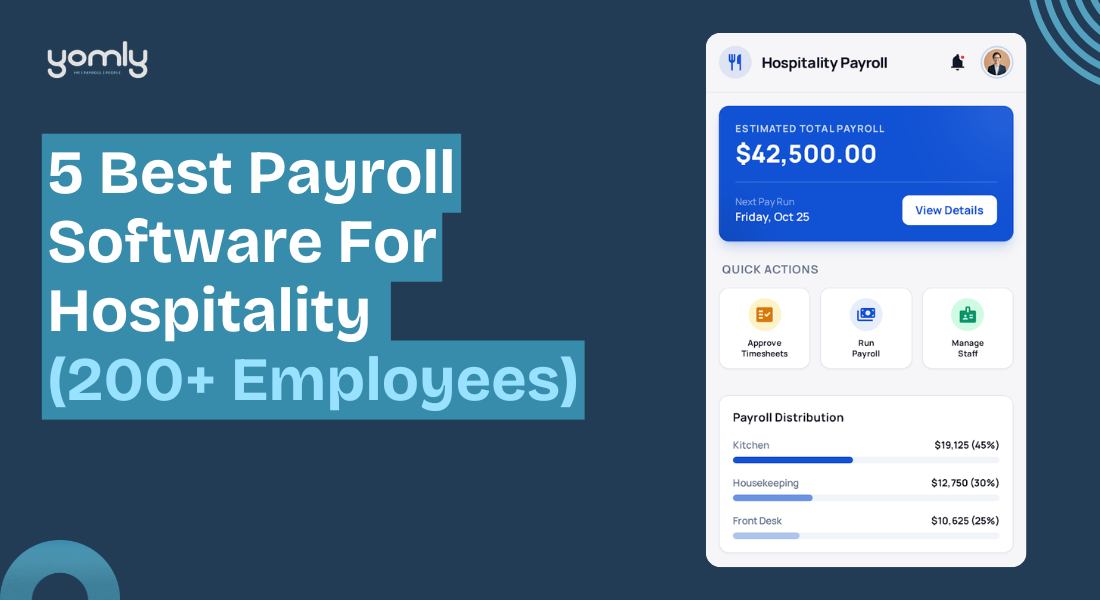


![قائمة مراجعة الامتثال لقوانين الرواتب في قطر [مُحدَّثة لعام 2026]](https://yomly.com/wp-content/uploads/2026/02/Payroll-Compliance-Checklist-For-Qatar.png)



![عملية إدارة الرواتب في الفلبين [دليل شامل لعام 2026]](https://yomly.com/wp-content/uploads/2026/01/Payroll-Process-In-Philippines.png)
![عملية دفع الرواتب في ماليزيا [آخر المستجدات]](https://yomly.com/wp-content/uploads/2026/01/Payroll-Process-In-Malaysia.png)
![إجازة الأمومة في فيتنام [2026]: دليل شامل](https://yomly.com/wp-content/uploads/2026/01/Maternity-Leave-In-Vietnam.png)



![قائمة العطلات الرسمية في ماليزيا [مُحدَّثة لعام 2026]](https://yomly.com/wp-content/uploads/2026/01/A-List-of-Public-Holidays-In-Malaysia.png)
 العربية
  English